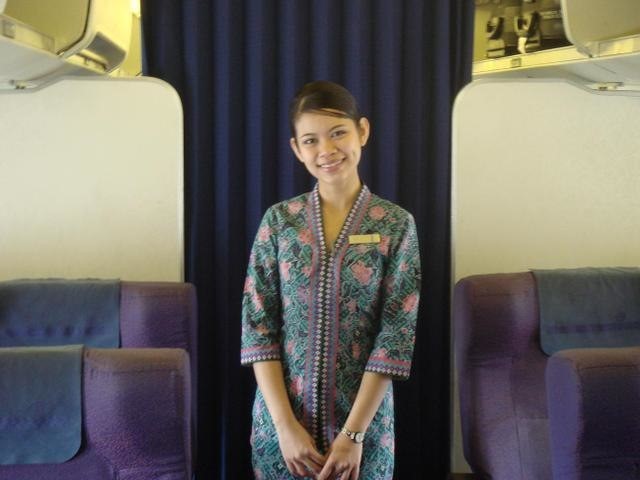
Malaysia Airlines Cabin Crew Uniform - Photo: Wikicommons
Flight attendants of Malaysia Airlines have been polled regarding whether or not they would be comfortable with a “modest” uniform that would replace the traditional sarong kebaya and allow for the use of headscarves.
The sarong kebaya uniform has been used in Singapore, Malaysia, Indonesia, Thailand, and Myanmar since 1986. It is similar in style to the uniform worn by female flight attendants on Singapore Airlines.
However, as Islam becomes more mainstream in Malaysia, the state-backed airline is considering replacing these recognisable uniforms with something more “modest.” Enrich reward programme members were sent a survey titled “Malaysia Airlines Uniform Survey,” with two questions about the uniforms onboard.
- Are you in favour of us putting a more modest twist to the iconic kebaya?
- Would you support flight attendants having the right to wear a hijab while serving passengers on both domestic and international flights?
“Moving into the new year, we want to take this opportunity to refresh our uniforms once again,” Malaysia Airlines said in a statement explaining the survey. “We would like to embrace greater inclusion while preserving our iconic Malaysia Airlines elegance.”
This poll was initially scheduled to remain open until the end of January but was unexpectedly terminated prematurely due to backlash from the media. Malaysia Airlines, meanwhile, has thus far declined to comment.
It’s intriguing to see the conservative push for more subdued uniforms wrapped in the progressive justification of more “inclusivity.”
Malaysian lawyer and human rights campaigner Siti Kasim spoke against the proposed uniform change, telling the Straits Times, “There is nothing wrong with the clothing of the female stewardesses.” Unlike certain stereotypes, these kebayas, a traditional Malaysian dress, are elegant and tasteful. Participants in the survey are fuming as they complete it.
Rather than spending money on unnecessary upgrades, industry watchers say Malaysia Airlines should concentrate on getting back in the black. “If changing cabin crew outfits results in the airline posting profits, improves on safety, and advances the industry’s move towards ‘nett zero’ carbon emissions, then go for it,” one analyst said. If you want to be safe, stick to what has been proven to work. If something isn’t broken, there’s no need to try to fix it.
But many supported the idea. Dr Suriani Sudi, the leader of a hardline Islamist NGO in Malaysia called Ikatan Muslimin, has voiced his approval of more “polite” uniforms.
 Riyadh Air’s Fleet Boom Signals a New Era in Luxury Flying
  Qantas Project Sunrise Makes History on the Melbourne Runway
  United Economy Plus Redefines Space With Extra Elbow Room
 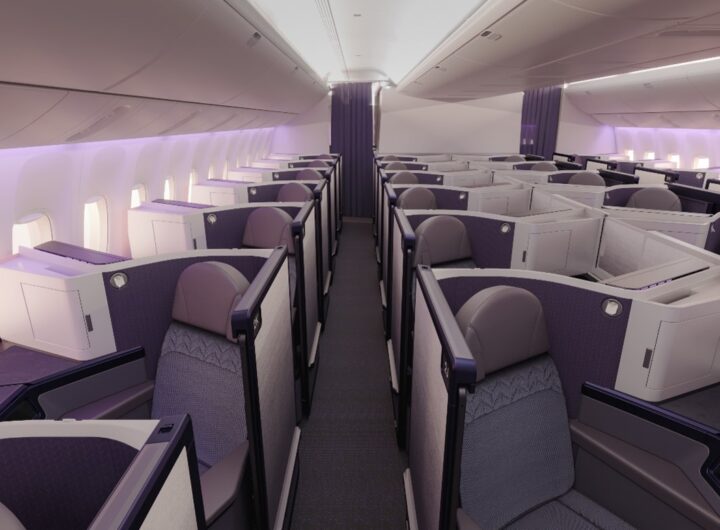 Air New Zealand Reveals New 777 Cabins for Luxury Travel
 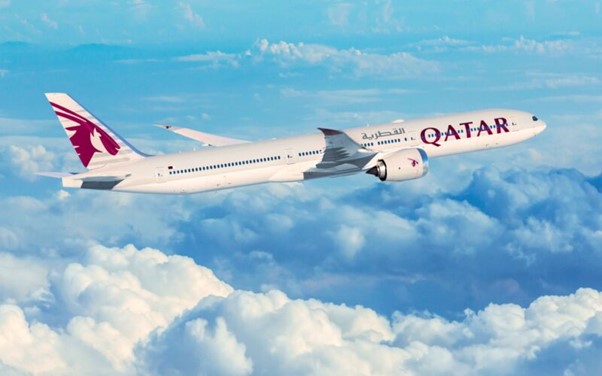 Qatar Airways Completes Australia Comeback With Canberra Return
 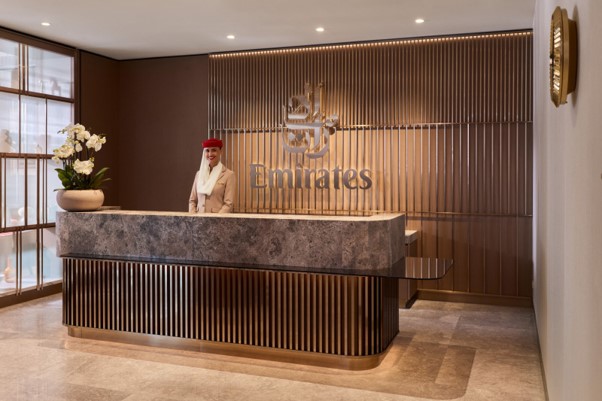 Inside Emirates’ Next-Gen Luxury Airport Lounge Experience
 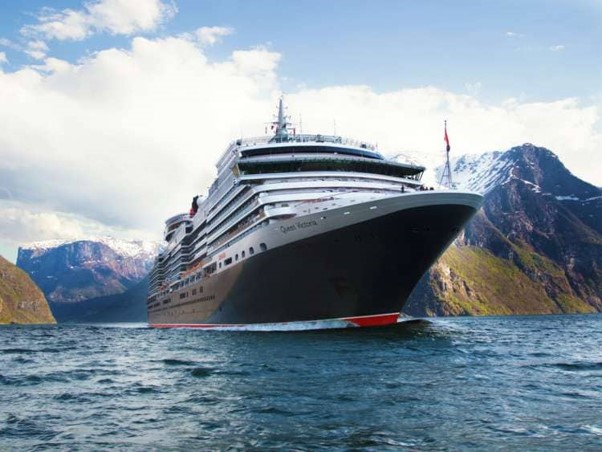 Cunard’s Queen Victoria Gets a Fresh New Chapter at Sea
  Explora III Ushers In A New Era Of Ultra-Elegant Sea Travel
  Exclusive Private Bungalow Escape at Ceylon Tea Trails
  Holland America Turns Oosterdam Into a Rock-Show Stage