
As Britain braces for record-breaking temperatures this week, firefighters battled out-of-control flames in France, Spain, and Portugal over the weekend, as Europe wilted under an extremely severe heat wave blamed for hundreds of deaths in Madrid.
Two massive fires that ravaged pine forests in southwestern France for six days prompted the evacuation of 14,000 people.
In Spain, firefighters aided by military brigades attempted to put out over 30 forest fires that raged across the country. According to Spain’s National Defense Department, “the majority” of its firefighting aircraft have been sent to reach the blazes, many of which are in rugged, steep terrain that ground crews find difficult to access.
This year’s fire season arrived earlier than usual in Europe, thanks to a dry, hot spring blamed on climate change by the European Union. Some countries also face prolonged droughts, while others are experiencing heat waves.
So far, no one has died as a result of a fire in France or Spain. On Friday, a firefighting plane pilot in Portugal was killed when his plane crashed.
However, while temperatures remained extremely high, heat-related deaths increased. Many locations in Spain have witnessed temperatures reach 43 degrees Celsius on multiple occasions during the summer’s second heat wave. According to Spain’s Carlos III Institute, which tracks temperature-related fatalities on a daily basis, high temperatures were responsible for 360 deaths from July 10 to 15. In the previous six days, there had been 27 temperature-related deaths.
High temperatures and strong gusts on Sunday and Monday may challenge efforts to keep the fires from spreading further.
Some of Spain’s most dangerous fires are situated in the western areas of Extremadura and Castilla y León. The Iberian Peninsula has been particularly vulnerable to flames due to drought conditions. Since last October, Spain has gotten 25% less rainfall than is deemed typical, with certain areas receiving up to 75% less, according to the National Security Department.
While lightning strikes and others have sparked some fires by human negligence, a wildfire that broke out in Extremadura’s La Garganta de los Infiernos, or “The Throat of Hell,” was considered to be the product of arson, according to regional officials.
Last week, flames raged in Hungary, Croatia, and the Greek island of Crete, while Italy is experiencing an early summer heat wave and the worst drought in its north in 70 years.
Northern Europe has also experienced scorching temperatures. The opening day of an annual four-day walking event in the Dutch city of Nijmegen was cancelled on Sunday when temperatures were anticipated to reach 39 degrees Celsius.
 AmaWaterways Unveils AmaRudi, Europe’s Largest River Ship
  Viking Adds New River Ships Annar and Fjolvar to Europe Fleet
 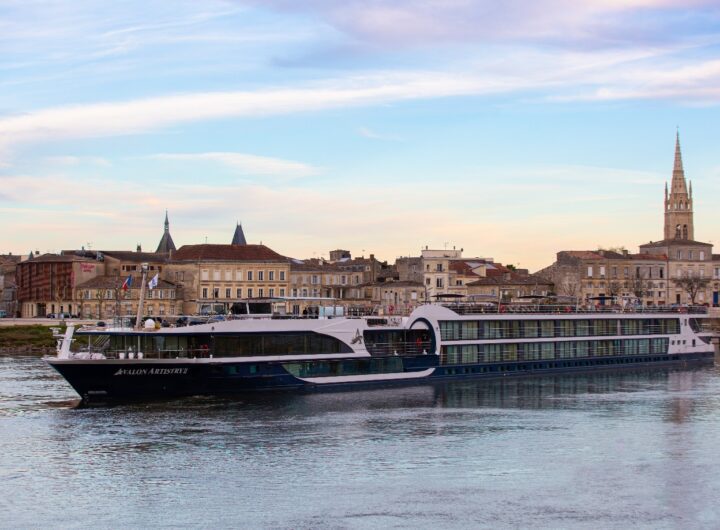 Avalon Adds Three New Europe Cruise and Tour Itineraries
 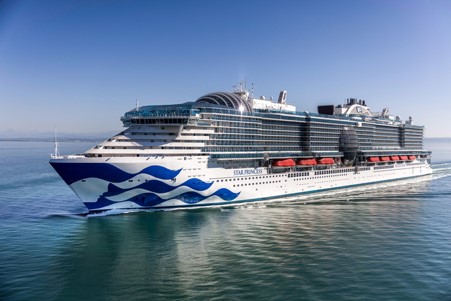 Princess Unveils Record Breaking 2028 Europe Cruise Season
  Emerald Astra: Emerald Cruises’ Newest Star Ship Christened
 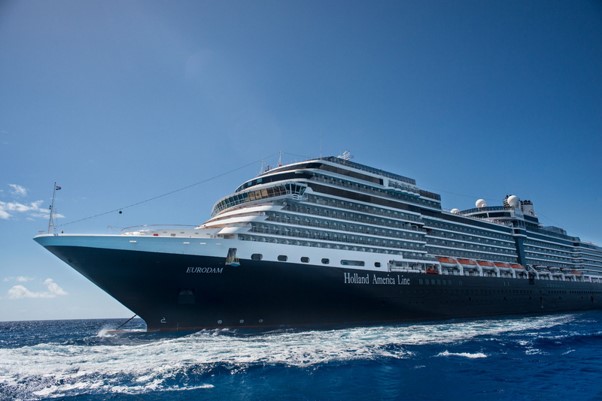 Holland America Launches Year-Round Europe Cruises for 2027–28
  Silversea Wins Big at 2026 Wine Spectator Awards
  Lake Como to St. Moritz: A Luxe Summer Escape for Two
  MSC Cruises Redefines Wellness at Sea With Spa Upgrades