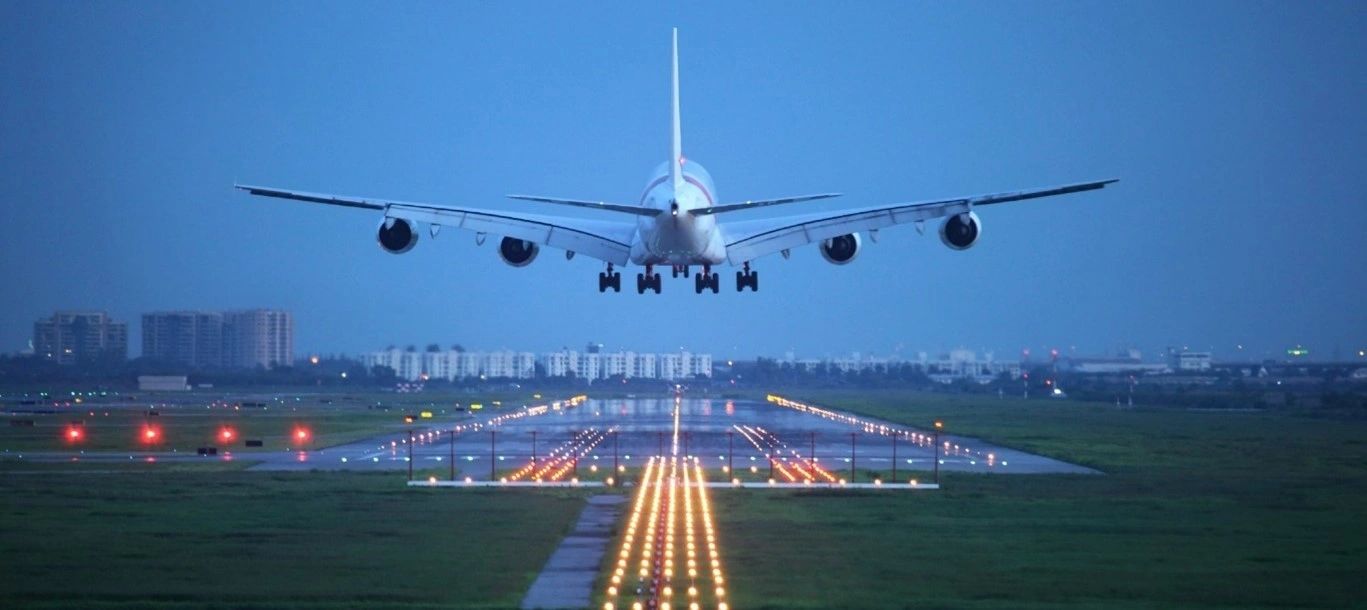
Despite persistent reports of major airlines reporting profits and aviation industry recovery to 2019 levels or even better in some sectors, certain airlines continue to grapple with the lingering effects of the pandemic on their balance sheets.
Excluding outliers and airlines with negative equity, IATA Sustainability and Economics demonstrates that the debt-to-equity ratio is a solvency ratio that provides insight into an organisation’s reliance on debt to finance its operations. The threshold beyond which this ratio poses a solvency risk is contingent upon various factors, notably revenue.
An organisation dependent on debt financing may need help meeting its servicing obligations. Significant financing requirements accompany the airline industry’s capital-intensive aircraft, aircraft fittings, and supporting infrastructure investments.
Significantly, a substantial portion of the airlines’ debt is secured by assets, thereby mitigating the risk for creditors. A comparison between the first half of 2019 and the same period of 2023 for airlines’ pre-COVID balance sheets reveals that airlines now bear a more significant proportion of debt to equity.
The most significant effect on the average debt-to-equity ratio has been observed among the largest airlines in the first half of 2019, which generated revenues of over $5 billion. The average debt-to-equity ratio of these airlines increased by over twofold, from 1.6 to 3.6. Similarly, the median value rose from 1.4 to 3.4.
Furthermore, the ratio’s distribution within the sample became more extensive. With a revenue range of USD 1-5 billion in the first half of 2019, the average debt ratio of airlines rose from USD 3.8 to USD 4.1, while the median ratio decreased from USD 1.7 to USD 1.6.
In conclusion, the median debt ratio for airlines with less than USD 1 billion in revenue during the first half of 2019 increased from 1.8 to 2.3, while the average increased from 2.5 to 4.0. A portion of the debt increase can be attributed to government financing in response to the pandemic.
As of June 2023, 54% of the estimated USD 100 billion in support received has been repaid by airlines, with certain airlines having fully repaid the amount. There are limited indications that the escalating debt burden is engendering pervasive financial hardships.
However, although air transport demand has demonstrated remarkable resilience (traffic has nearly entirely rebounded to levels seen in 2019), the financial robustness of the industry is adversely affected by elevated levels of debt.
 Riyadh Air’s Fleet Boom Signals a New Era in Luxury Flying
 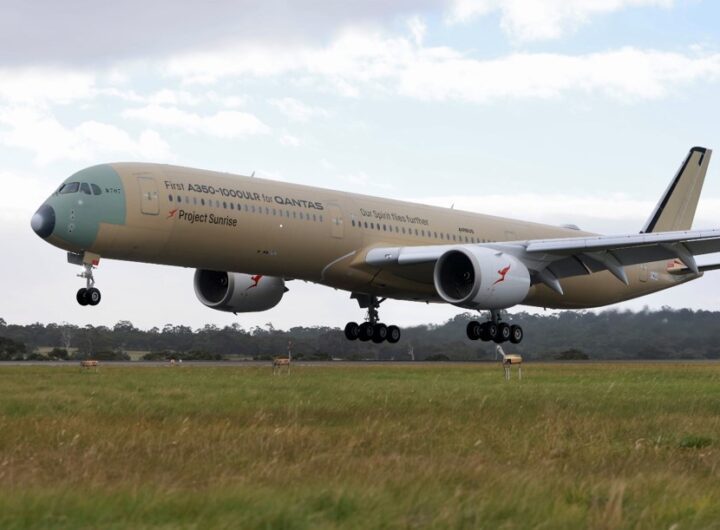 Qantas Project Sunrise Makes History on the Melbourne Runway
  United Economy Plus Redefines Space With Extra Elbow Room
 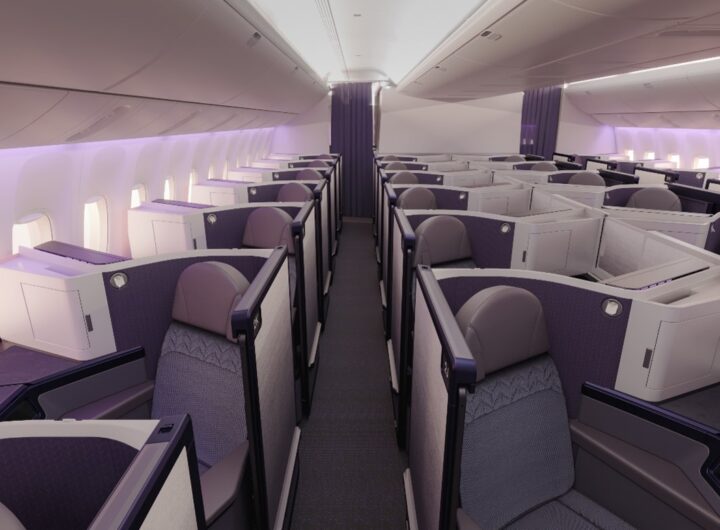 Air New Zealand Reveals New 777 Cabins for Luxury Travel
 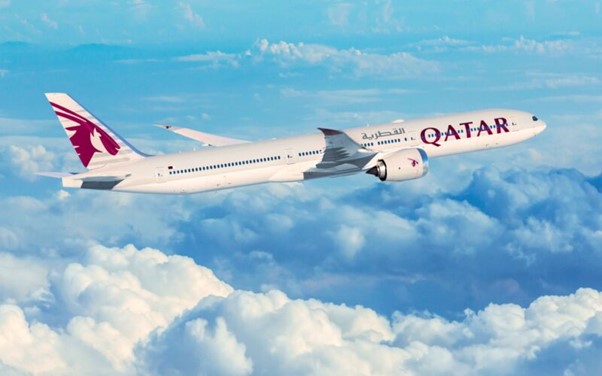 Qatar Airways Completes Australia Comeback With Canberra Return
  Inside Emirates’ Next-Gen Luxury Airport Lounge Experience
  Cunard’s Queen Victoria Gets a Fresh New Chapter at Sea
 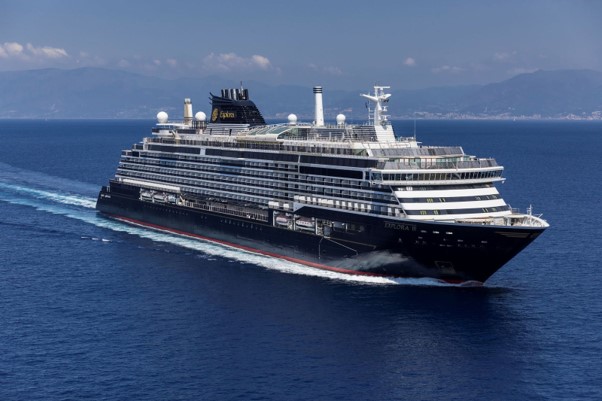 Explora III Ushers In A New Era Of Ultra-Elegant Sea Travel
  Exclusive Private Bungalow Escape at Ceylon Tea Trails
 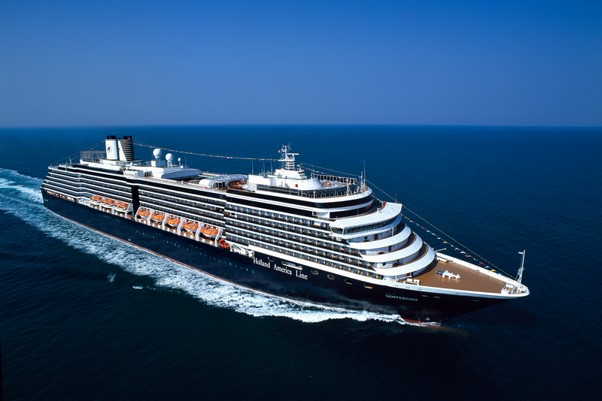 Holland America Turns Oosterdam Into a Rock-Show Stage