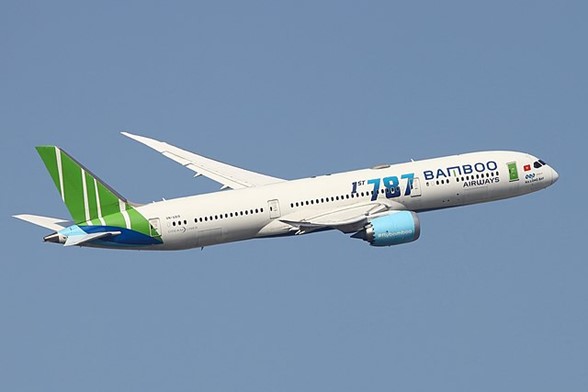
Bamboo Airways B787 Dreamliner – Photo: Wikicommons
As part of its reorganisation, financially troubled airline Bamboo Airways has abruptly pulled out of the Australian market and laid off its local employees.
Brand Crawford, former National sales manager for Australia and New Zealand, posted on LinkedIn over the weekend, “It is with a heavy heart that I advise all Bamboo Airways Australia staff have been made redundant, including my National Sales Manager role.”
This shift is part of an overarching strategy to put more resources into popular international services within Southeast Asia and significant domestic routes that include Hanoi, Ho Chi Minh City, and Da Nang.
Bamboo Airways claimed that the change would boost “commercial efficiency by reducing the frequency of several inefficient routes with low passenger demand while increasing operation on routes recording high demand.”
From 1 November 2023, you cannot book a flight from Australia to Vietnam on the Bamboo Airways website. Sydney’s 25 October departure is the last, while Melbourne’s 26 October departure is the last.
The airline boldly moved into the Australian market in early 2022 when it began offering nonstop flights between Sydney, Ho Chi Minh City, Melbourne, and Hanoi, with a great onboard product and competitive fares.
Besides Sydney and Melbourne, other international destinations that used Bamboo Airways’ Boeing 787 planes, such as London and Frankfurt, are being cut.
The airline plans to reduce its fleet size to single-aisle planes and concentrate on “key domestic routes” like Vietnam Hanoi, Ho Chi Minh City, and Da Nang, as well as “tourist routes with high demand” and “international routes to Southeast Asia.”
Aiming to protect the interests of all parties concerned, “Bamboo Airways has taken significant steps to enhance its customer care policy and extended its support to its network of domestic and foreign partners and agents,” the company said.
We will notify affected customers as soon as possible and help them in compliance with airline regulations and local law.
The airline claims the changes would “enhance the company’s competitiveness, capacity, and autonomy,” allowing it to recruit “high-quality resources and strategic investors.”
The airline is “negotiating with partners to redesign the appropriate structure and size… prioritising economy, standardising aircraft configuration, and reducing fuel consumption”.
The airline stated that it is committed to fulfilling its existing aircraft purchase agreements with Boeing and Airbus.
According to Bamboo Airways, their plans will coincide with the 2025 debut of Tan Son Nhat International Airport’s T3 Passenger Terminal and the 2026 debut of Long Thanh International Airport.
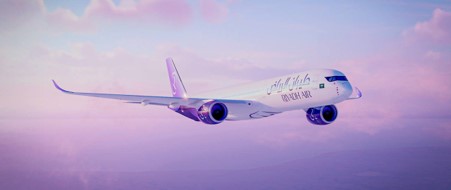 Riyadh Air’s Fleet Boom Signals a New Era in Luxury Flying
 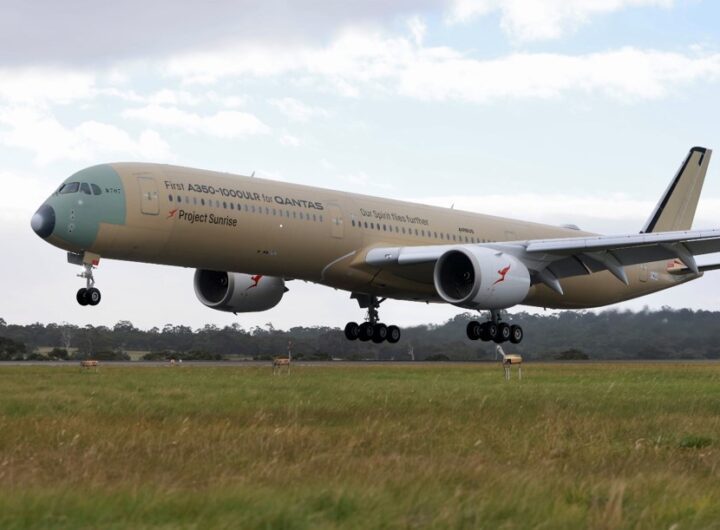 Qantas Project Sunrise Makes History on the Melbourne Runway
 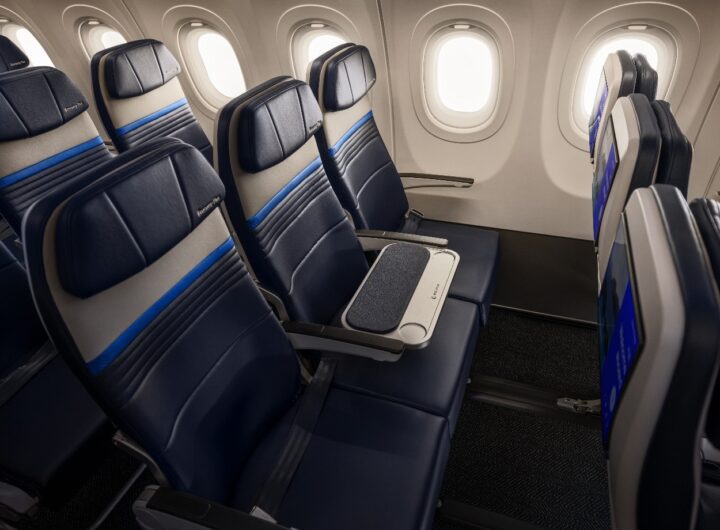 United Economy Plus Redefines Space With Extra Elbow Room
 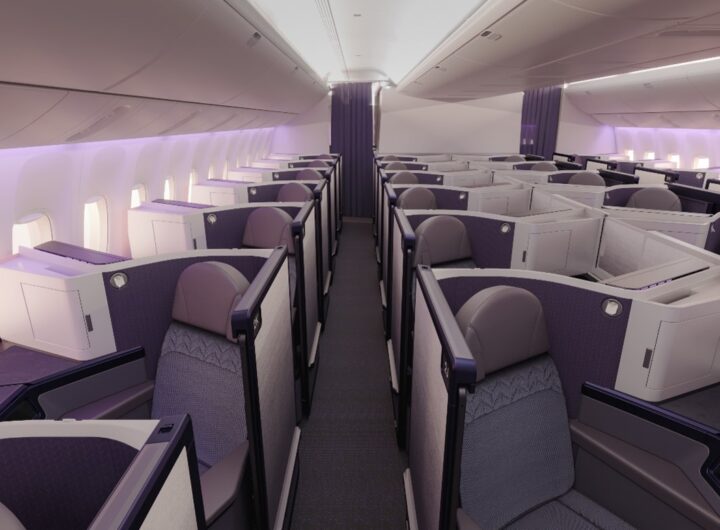 Air New Zealand Reveals New 777 Cabins for Luxury Travel
 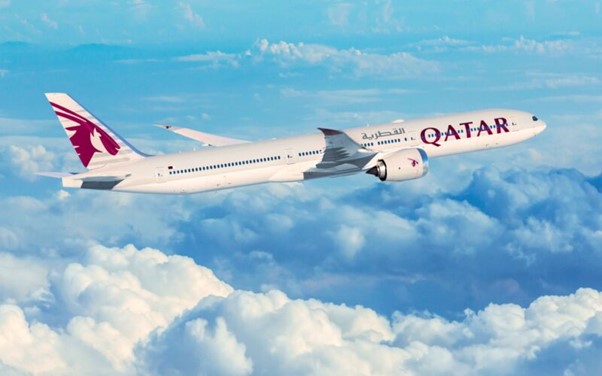 Qatar Airways Completes Australia Comeback With Canberra Return
 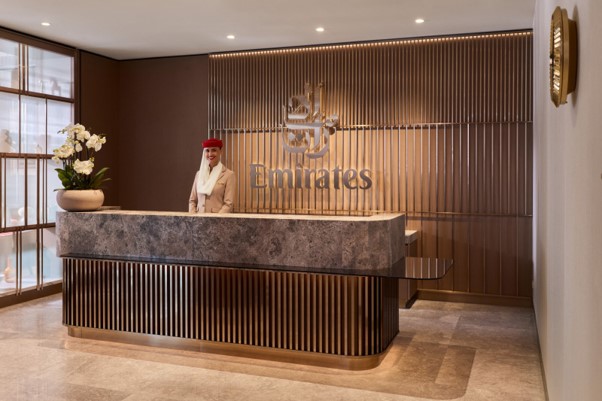 Inside Emirates’ Next-Gen Luxury Airport Lounge Experience
 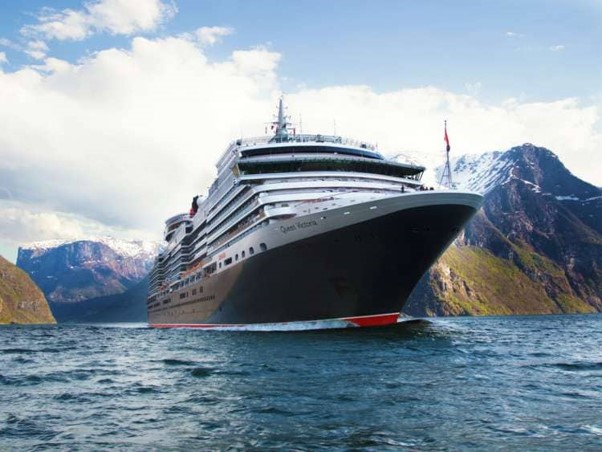 Cunard’s Queen Victoria Gets a Fresh New Chapter at Sea
  Explora III Ushers In A New Era Of Ultra-Elegant Sea Travel
  Exclusive Private Bungalow Escape at Ceylon Tea Trails
  Holland America Turns Oosterdam Into a Rock-Show Stage