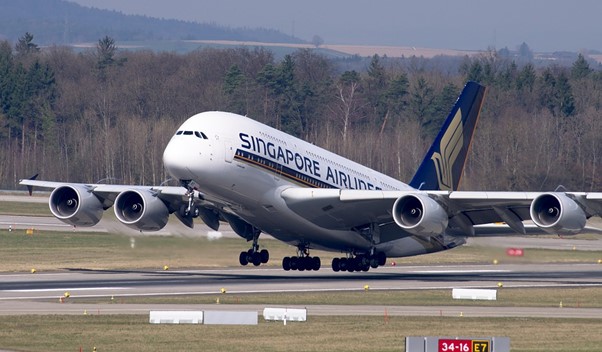
Singapore Airlines A380
Singapore Airlines has chosen SITA OptiClimb®, a digital in-flight prescriptive analytics technology for fuel efficiency, to help the airline reach net-zero carbon emissions by 2050.
The airline can maximise fuel use throughout the aircraft’s climb-out phase by installing SITA OptiClimb®.
The approach blends aircraft tail-specific machine-learning algorithms with 4D weather forecasts to offer tailored climb speeds at different altitudes. It uses past flight data to anticipate fuel usage in various flying conditions. It suggests optimum climb profiles to pilots via a user-friendly interface.
It is predicted that if every airline in the world employs SITA OptiClimb®, fuel savings of up to 5% may be realised on each trip, with about 5.6 million tonnes of CO2 emissions saved yearly.
The tool has been utilised on Singapore Airlines Airbus A350 aircraft since August 2022, following a successful test phase and confirmation of SITA OptiClimb® results. According to SITA, the technology will assist the carrier in reducing aircraft carbon emissions by up to 15,000 tonnes per year.
“Singapore Airlines employs several levers to meet our sustainability targets, including the newest technology to enhance fuel economy to minimise carbon emissions,” said Captain Quay Chew Eng, Senior Vice President of Flight Operations at Singapore Airlines.
SITA OptiClimb® supports this outcome with enhanced analytics. We will keep looking for new ways to lower our carbon impact and reach net-zero carbon emissions by 2050.”
“We’re delighted to be part of Singapore Airlines’ path towards making aviation more sustainable, ecologically and financially,” said Yann Cabaret, Chief Executive Officer of SITA FOR AIRCRAFT.
We can assist all airlines and their employees in making more informed decisions that produce higher operational efficiency today with innovative, cost-effective, and data-driven technologies like SITA OptiClimb®.”
If current trends continue, the International Air Transport Association (IATA) estimates that aviation carbon emissions will total around 21.2 gigatonnes of CO2 between 2021 and 2050.
The aviation sector has been working on various initiatives to minimise carbon emissions and attain net-zero status by 2050. These efforts include using sustainable aviation fuels, innovative aircraft technology, and operational and infrastructural upgrades to increase aircraft fuel economy and reduce dependency on fossil fuels.
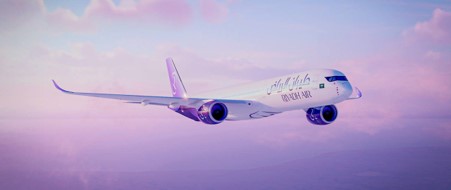 Riyadh Air’s Fleet Boom Signals a New Era in Luxury Flying
 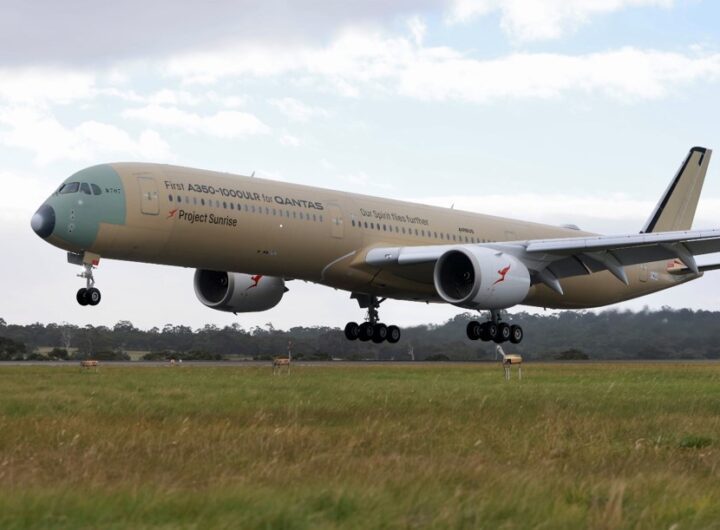 Qantas Project Sunrise Makes History on the Melbourne Runway
 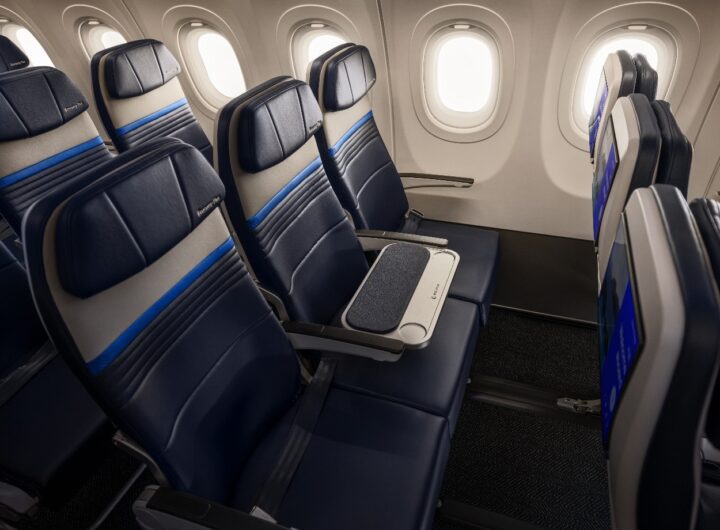 United Economy Plus Redefines Space With Extra Elbow Room
 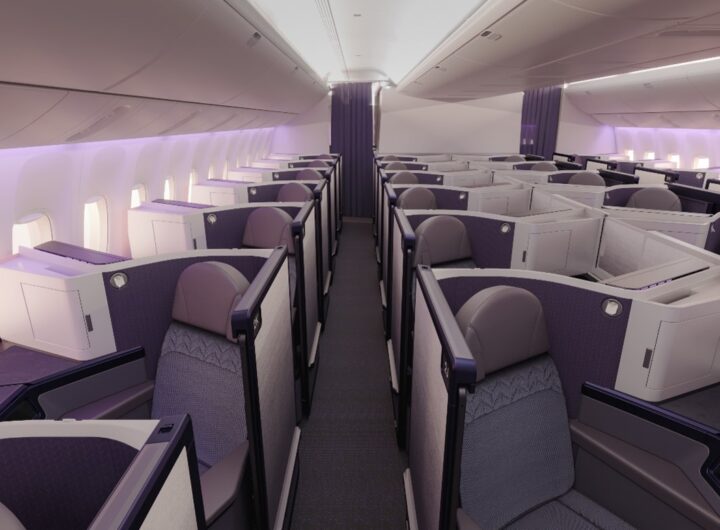 Air New Zealand Reveals New 777 Cabins for Luxury Travel
 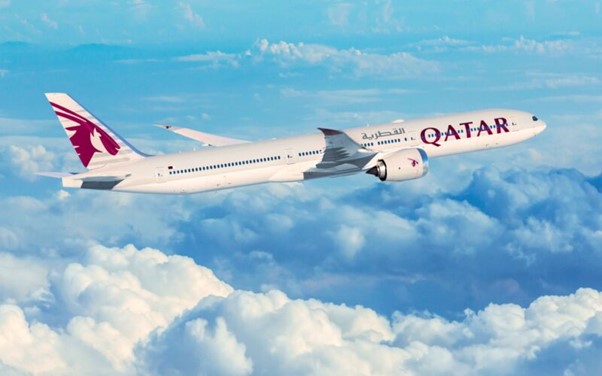 Qatar Airways Completes Australia Comeback With Canberra Return
  Inside Emirates’ Next-Gen Luxury Airport Lounge Experience
 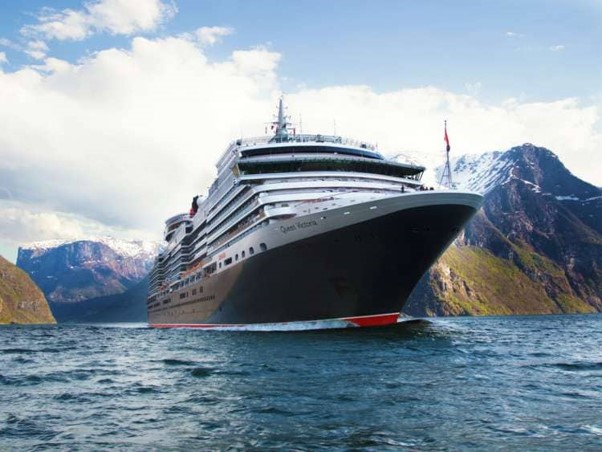 Cunard’s Queen Victoria Gets a Fresh New Chapter at Sea
 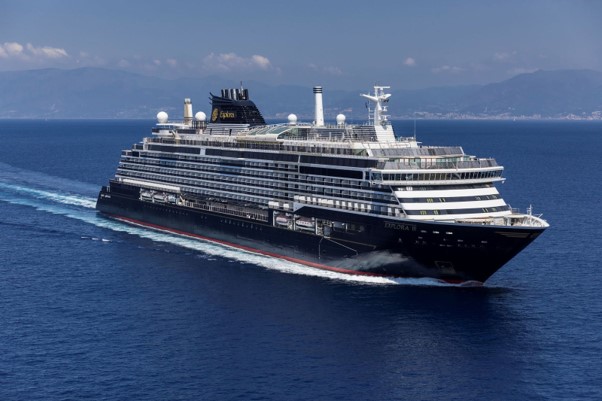 Explora III Ushers In A New Era Of Ultra-Elegant Sea Travel
  Exclusive Private Bungalow Escape at Ceylon Tea Trails
 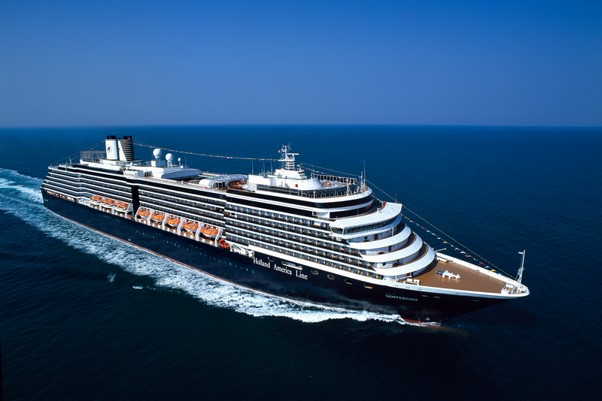 Holland America Turns Oosterdam Into a Rock-Show Stage