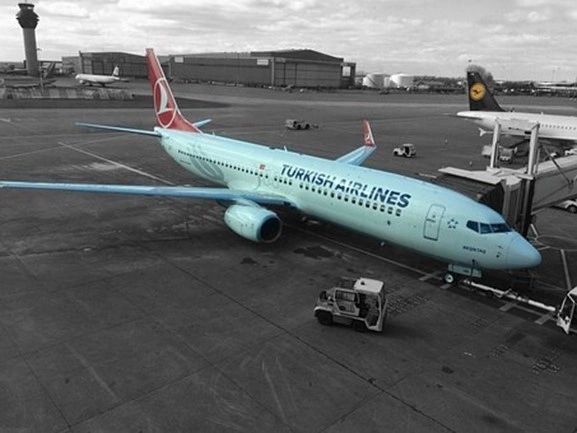
Turkish Airlines is reporting promising traffic results during the pandemic, with an average of 603 flights per day to 208 destinations.
Although this represents a 52% decline from 2019 levels, it’s significantly more than any of its major competitors in Europe, says the airline. Also notable is the fact that it achieved these results with no government bailouts of staff layoffs.
For the full 2020 calendar year, Turkish Airlines flew 28 million passengers, with a load factor of 71%, and managed to maintain a robust route network and provide vital connectivity during these uncertain times. From mid-March until the end of June, the carrier proactively stopped all its flights as part of its response to the pandemic.
On July 1, Turkish Airlines in Canada started to fly four weekly flights out of Toronto, and three weekly flights out of Montreal on Aug. 1, eventually adding an additional fifth flight out of Toronto as demand increased.
Turkish Airlines operates out of Istanbul Airport, which has reported a 68% loss in traffic due to the pandemic. However, despite this downturn, the airport still outperformed its competitors and was named Europe’s most successful airport in December 2020, a result buoyed by Turkish Airlines’ overall performance.
Taking advantage of its decreased traffic, Turkish Airlines turned 50 of its passenger aircraft into freighters to assist with the demand for global cargo, which allowed it to overtake cargo competitors. As of February 2021, one in 20 cargo flights in operation around the world are handled by Turkish Airlines. Since the beginning of the pandemic in March 2020, 50,000 tonnes of health products and medical equipment have been carried around the world.
In addition, Turkish Airlines redesigned its TK Pharma product and developed solutions for COVID-19 vaccine transportation, with time and temperature ranges with the highest quality standards. Now, it has the necessary infrastructure to carry all kinds of COVID-19 vaccines.
As a result of these and other efforts, the airline managed to increase its global market share in medical transportation to 7.5%.
By Joe Cusmano

 Riyadh Air’s Fleet Boom Signals a New Era in Luxury Flying
 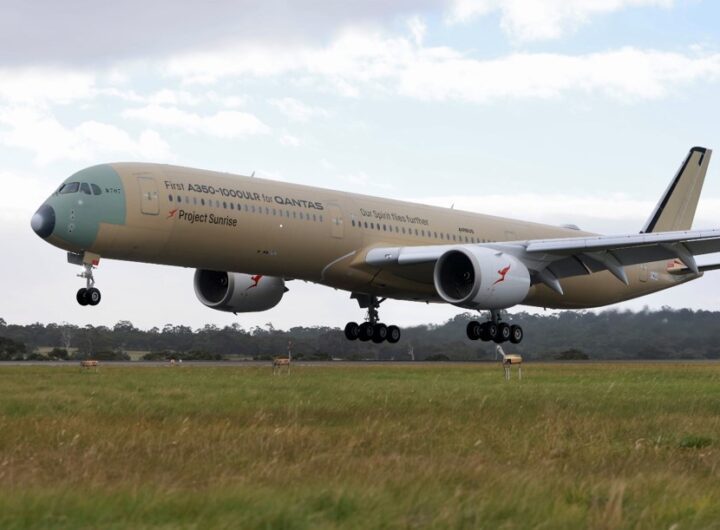 Qantas Project Sunrise Makes History on the Melbourne Runway
 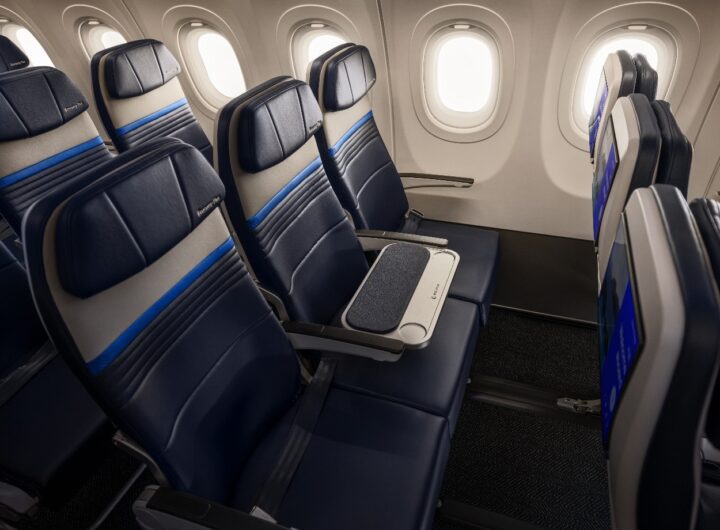 United Economy Plus Redefines Space With Extra Elbow Room
 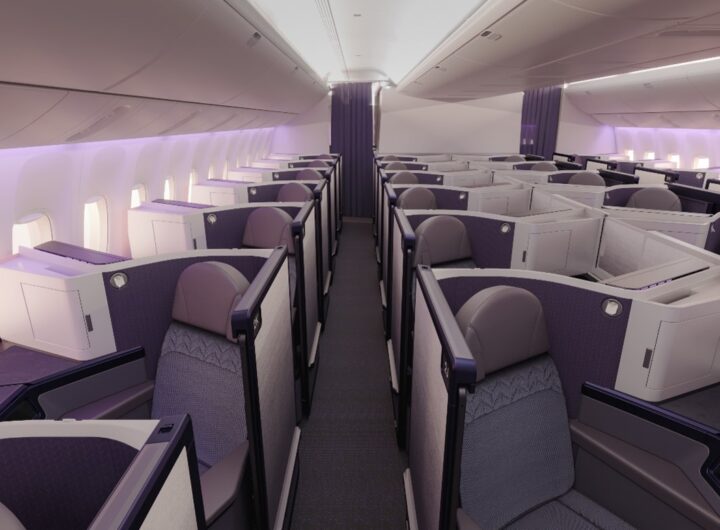 Air New Zealand Reveals New 777 Cabins for Luxury Travel
 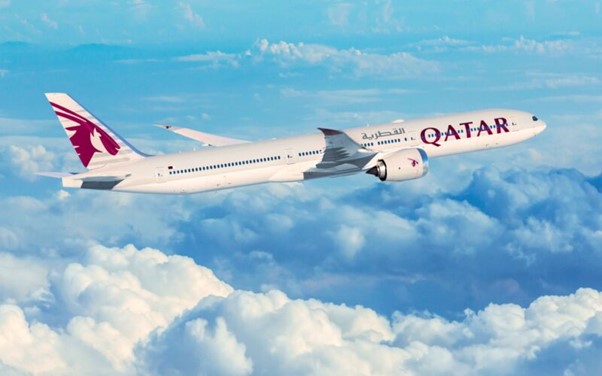 Qatar Airways Completes Australia Comeback With Canberra Return
  Inside Emirates’ Next-Gen Luxury Airport Lounge Experience
  Cunard’s Queen Victoria Gets a Fresh New Chapter at Sea
 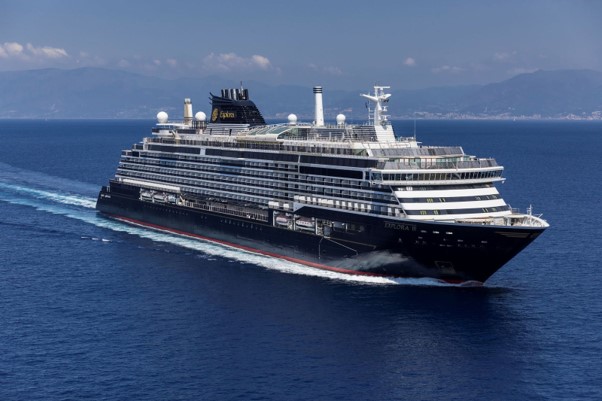 Explora III Ushers In A New Era Of Ultra-Elegant Sea Travel
  Exclusive Private Bungalow Escape at Ceylon Tea Trails
 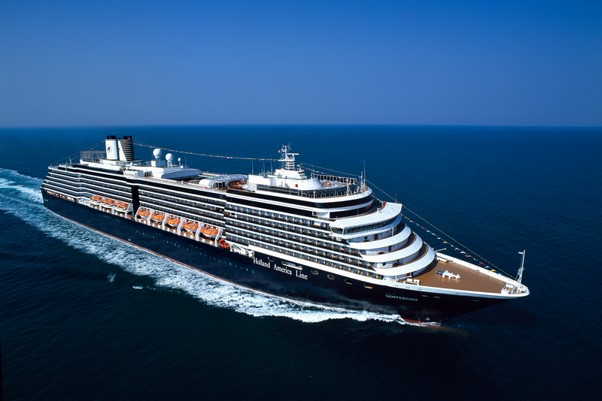 Holland America Turns Oosterdam Into a Rock-Show Stage