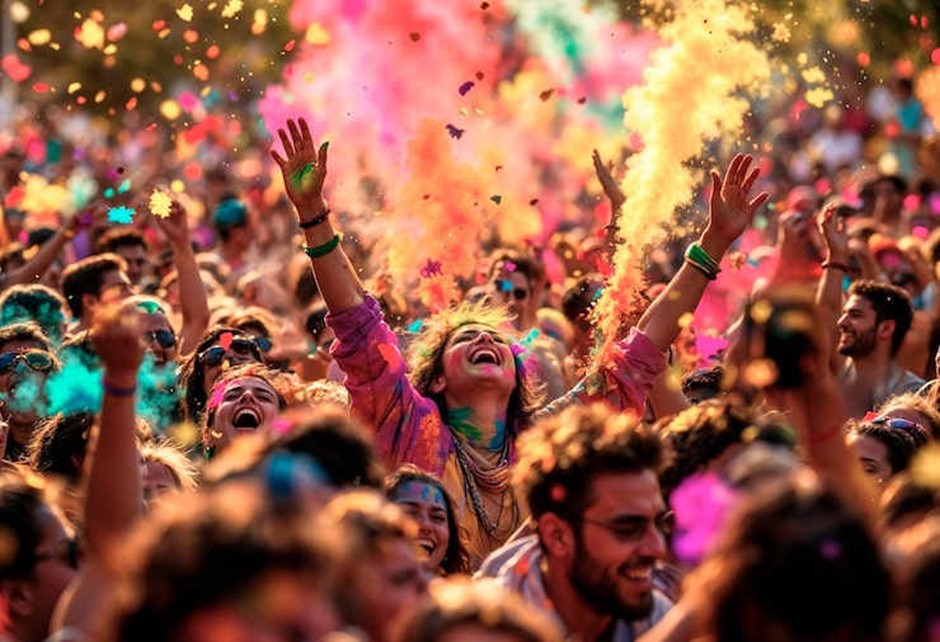
Photo courtesy: Freepicks
If you really want to understand a place, drop into town during a festival. The food gets richer, the colours get louder, and everyone – for a few glorious days – seems to agree on doing one thing: celebrating being alive. I’ve timed more than one trip around a big cultural event, and yes, it’s chaotic, crowded and occasionally overwhelming. It’s also where travel stops being “content” and becomes something you actually feel.
Here are five of the best cultural festivals in the world, what to expect, how to join in respectfully.
Rio Carnival – Brazil’s Explosion of Colour, Rhythm and Joy
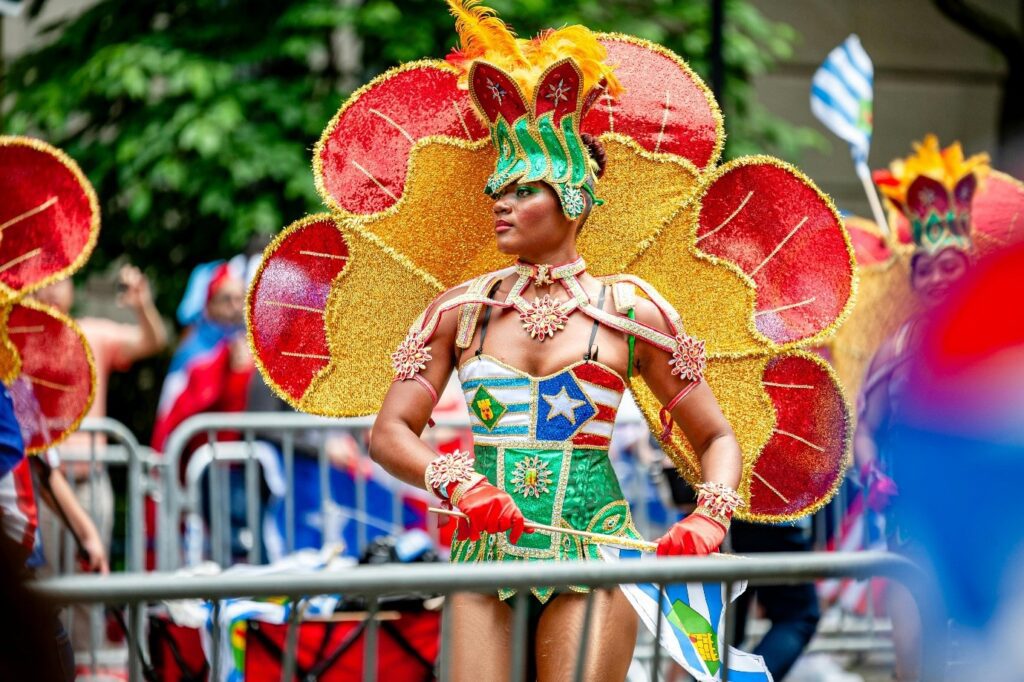
Beija-Flor samba school parade with elaborate feathered costumes and golden winged arch at Rio Sambadrome
Rio Carnival isn’t just a party; it’s Brazil’s soul turned inside out. Held every year in the weeks leading up to Lent, it’s widely regarded as the world’s biggest festival, attracting millions to Rio de Janeiro for days of samba, parades and non‑stop blocos (street parties).
At the heart of it all is the Sambadrome, a purpose‑built stadium where samba schools compete in jaw‑dropping parades: think thousand‑strong dance teams, glittering costumes, thunderous drum sections and floats so elaborate they look like moving film sets.
What to Expect
- Two parallel worlds:
- The Sambadrome parades – ticketed, choreographed, seriously competitive.
- The street blocos – free, wildly varied parties across the city, from family‑friendly to full throttle.
- Parade nights that run until dawn (your sleep pattern will give up and go home).
- Heat, crowds, music everywhere – even your quiet dinner spot will have a beat.
How to Participate
- Book Sambadrome tickets early. Choose between grandstand seats (big view, less comfort) or sector boxes (closer to the action).
- Join a samba school for the night – you can actually parade in costume if you book in advance through official partners.
- Pick blocos recommended by locals or your hotel; some are mellow, others are… not.
Cultural Insight
Carnival is deeply tied to Afro‑Brazilian heritage, Catholic traditions and community identity. Samba schools work all year to tell complex stories through song, costume and choreography – it’s not “just” glitter and feathers, it’s social commentary with a drumline.
Holi – India’s Festival of Colours
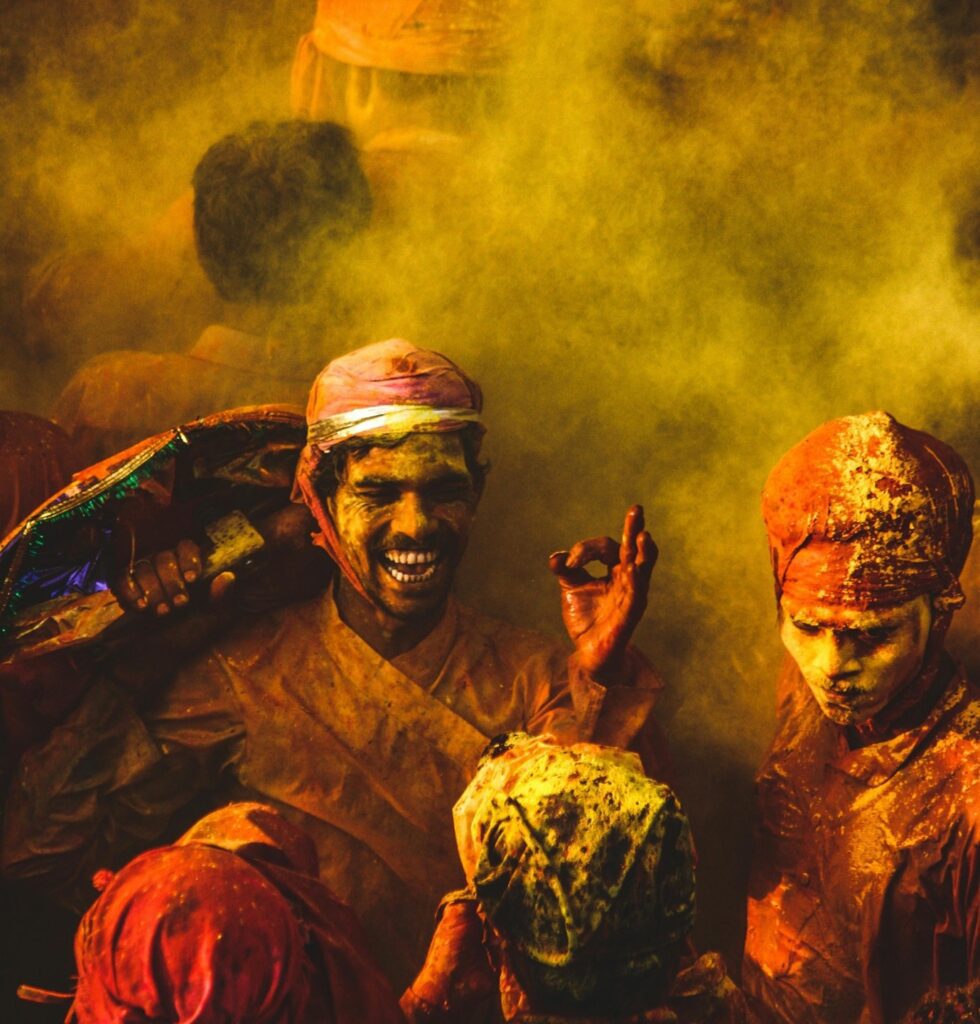
Holi is the festival where India collectively decides that white clothes are a bad idea and joy is mandatory. Celebrated each March, it marks the arrival of spring and the triumph of good over evil – and it’s famous worldwide for exuberant colour throwing, music and street‑side celebrations.
What to Expect
- Clouds of coloured powder (gulal), water guns, music, dancing and singing in the streets.
- Strangers shouting “Happy Holi!” and smearing colour on your face with alarming enthusiasm.
- Celebrations that start in the morning and roll through to afternoon – you will be exhausted and grinning.
How to Participate
- Wear old clothes you don’t care about – most will never be the same again.
- Choose your setting: hotel/guesthouse Holi, rooftop parties or locally recommended public events tend to be more relaxed for first‑timers.
- Protect your skin and hair with oil, cover cameras/phones in plastic, and wear sunglasses to keep powder out of your eyes.
- If someone doesn’t have colour on them, respect that they may not want to be part of the game.
Cultural Insight
Holi’s roots are in Hindu mythology and seasonal change, but on the day, barriers soften – caste, class and age mix in a way you don’t always see day‑to‑day. It’s messy, loud, occasionally chaotic – and one of the most disarming reminders that playfulness is universal.
Diwali – India’s Festival of Lights
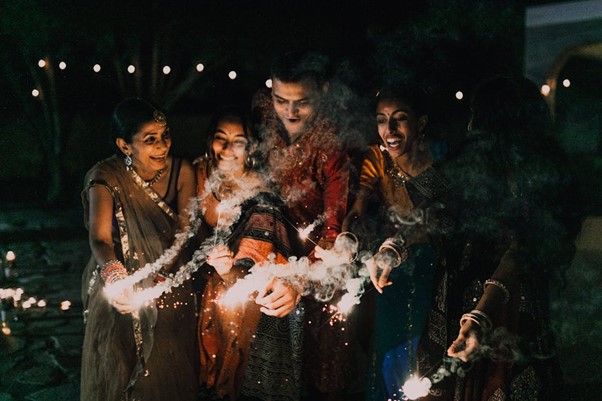
Where Holi is wild, Diwali is luminous. Celebrated by Hindus, Jains, Sikhs and others around October/November, Diwali marks the victory of light over darkness and knowledge over ignorance. Cities and villages glow with oil lamps, fairy lights and fireworks.
What to Expect
- Homes and streets lined with diyas (oil lamps) and colourful rangoli designs at doorways.
- Families exchanging sweets, visiting temples and gathering for lavish meals.
- Fireworks and firecrackers, especially in cities – it can get very loud.
How to Participate
- Stay in a homestay or guesthouse that welcomes guests into their family celebrations.
- Dress modestly and, if you like, in something festive – locals will appreciate the effort.
- Visit temples respectfully, remove shoes, and follow local guidance on rituals.
- Taste everything: laddoos, barfi, jalebi – this is not the week to diet.
Cultural Insight
Diwali isn’t just a “Hindu Christmas”. It’s a layered festival with regional variations – in some places it honours Lakshmi (goddess of wealth), in others Rama’s return to Ayodhya or the Sikh celebration of Bandi Chhor Divas. At its heart is the idea of renewal: cleaning homes, clearing debts, restarting the year with light.
Oktoberfest – Bavarian Tradition with Big Steins
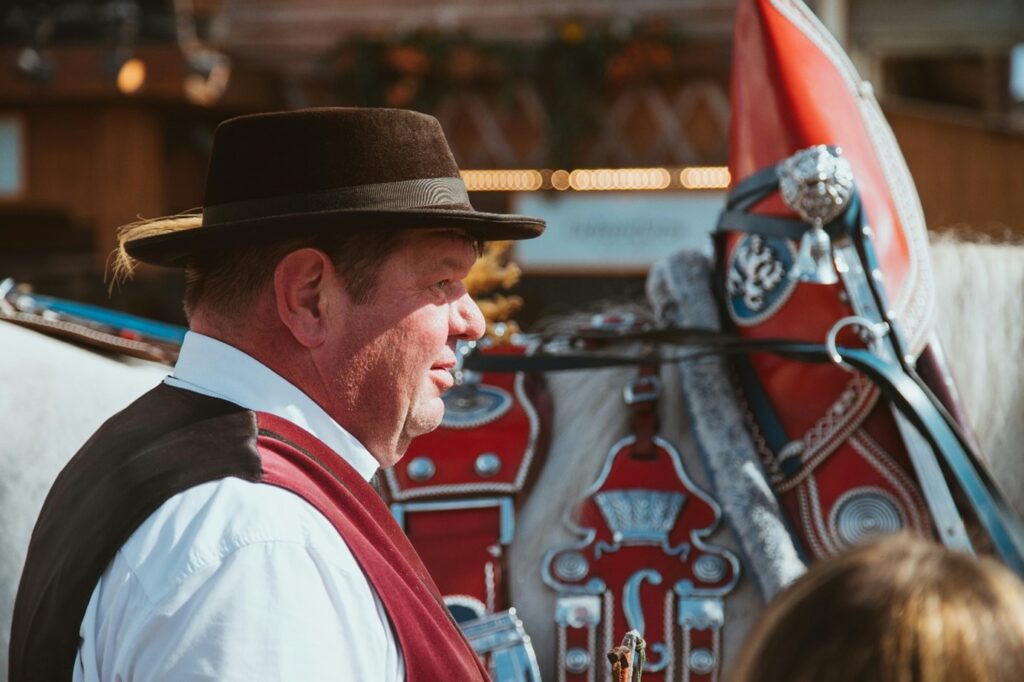
Oktoberfest in Munich has a reputation as the world’s biggest beer festival – and yes, there is a lot of beer – but at its core it’s a celebration of Bavarian culture: folk music, traditional dress, hearty food and community.
What to Expect
- Massive beer tents run by famous breweries, each with its own character.
- Locals in lederhosen and dirndls singing along to brass bands.
- Giant pretzels, roast chicken, sausages, and more ways to eat potatoes than you thought possible.
How to Participate
- Reserve a table in a tent well in advance if you’re going with a group; walk‑in spots are possible earlier in the day.
- Wear traditional dress if you like – just buy decent quality and wear it respectfully, not as a costume.
- Pace yourself (the beer is stronger than you think) and drink water between steins.
- Explore the smaller tents and funfair outside – some of the best moments are away from the main crowds.
Cultural Insight
Oktoberfest began as a royal wedding celebration in 1810 and has evolved into a global symbol of German hospitality. The sense of Gemütlichkeit – cosy, communal cheer – is very real. If you go with the right mindset, it’s less about “getting drunk in Munich” and more about sharing long tables and songs with strangers who won’t feel like strangers for long.
Hanami – Japan’s Cherry Blossom Season
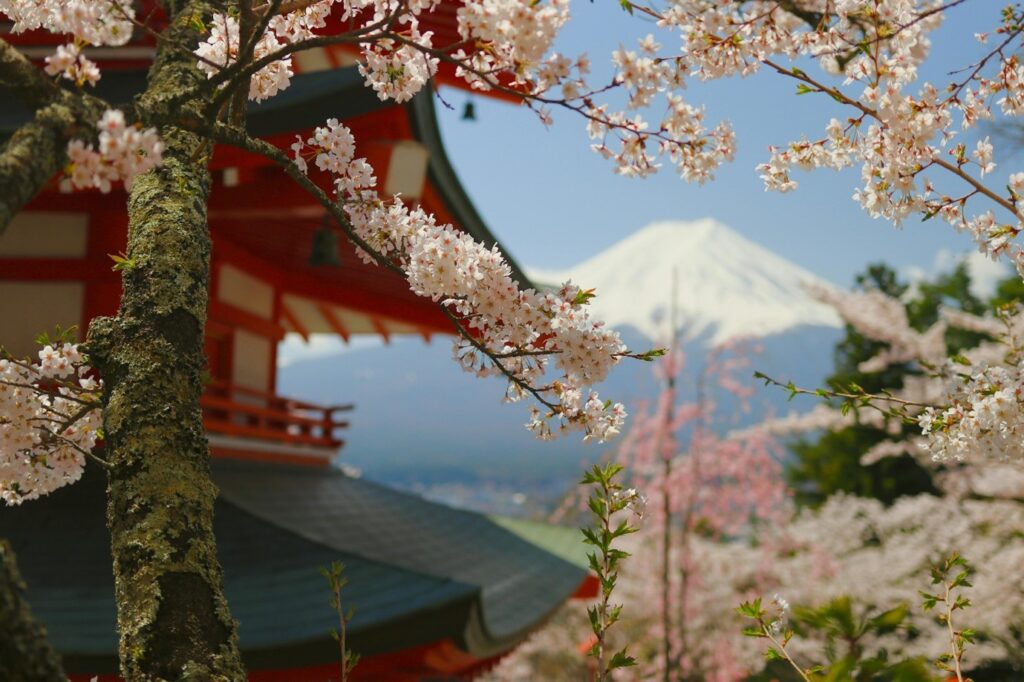
Quietly spectacular, Hanami is the Japanese tradition of “flower viewing”, most famously cherry blossoms (sakura). Rather than a single event, it’s a nationwide season each spring where people gather in parks for picnics under blooming trees.
What to Expect
- Parks, riversides and temple grounds transformed into soft pink and white tunnels of blossom.
- Families, friends and colleagues laying out blue tarps, sharing food, sake and laughter under the trees.
- In cities like Tokyo and Kyoto, evening yozakura (night sakura) with lanterns or subtle lighting.
How to Participate
- Check blossom forecasts – timing varies by region, usually March–April.
- Arrive early if you want a good picnic spot in popular parks like Ueno or Yoyogi.
- Bring your own food and drinks or pick up seasonal bento boxes and sakura snacks from convenience stores and depachika (food halls).
- Be respectful: don’t shake branches, break off blossoms or leave rubbish behind.
Cultural Insight
Sakura are more than “pretty trees” – they symbolise mono no aware, the beauty and sadness of impermanence. The brief bloom is a reminder that life’s most beautiful moments are fleeting – which somehow makes those afternoons under the blossoms feel even more precious.
Practical Tips for Planning Festival Travel
Experiencing these festivals is incredible, but there are a few universal rules that will make your life much easier:
- Book Early, Then Earlier
Flights and hotels for major festivals can sell out months in advance, and prices climb sharply as dates approach. Lock in:
- Accommodation near, but not in the noisiest areas.
- Festival tickets (Sambadrome, Oktoberfest tents, etc.) as soon as sales open.
- Respect Comes Before Content
Yes, you’ll get brilliant photos. But remember:
- Ask before photographing individuals, especially in places of worship.
- Learn basic phrases and customs – even small efforts go a long way.
- Some rituals are meant to be observed, not performed by visitors.
- Dress for the Culture (and the Mess)
- Holi: old clothes, covered skin, secure footwear.
- Diwali: modest, festive, comfortable.
- Carnival: light, breathable, secure bags, maybe a fun costume.
- Oktoberfest: if you wear traditional dress, do it respectfully.
- Hanami: layers – spring weather can change quickly.
- Give Yourself Buffer Days
Festivals are intense. Build in recovery time after the main days – your body and introvert side will thank you.
Cultural festivals are the world at its most alive – a little louder than usual, a little less polished, and infinitely more human. Pick one, plan well, show up with curiosity and respect, and you won’t just see another country; for a few days, you’ll feel like you’re part of it.
 Skip Japan’s Crowded Golden Route: 3 Lesser Known Cities to Visit
  Sardinia Tops 2026 List of Beach Destinations That Never Bore
  São Paulo Tops 2026 List of Best Value F1 Grand Prix
  Japan Tops 2026 Dream Destinations in New JB.com Travel Study
  Switzerland Tops 2026 Best Countries Ranking Once Again
  Ireland’s Most Unusual Pubs for Luxury Lovers on Tour
  Viking 2030 Oberammergau Voyages Blend Culture and Luxury
  ART 2 SEA 2027 Cruises Blend Luxury Travel With Global Art
  Celestyal Expands West With New Mediterranean Odyssey Sailings
  Crystal Grace Redefines Luxury With Family and Outdoor Spaces