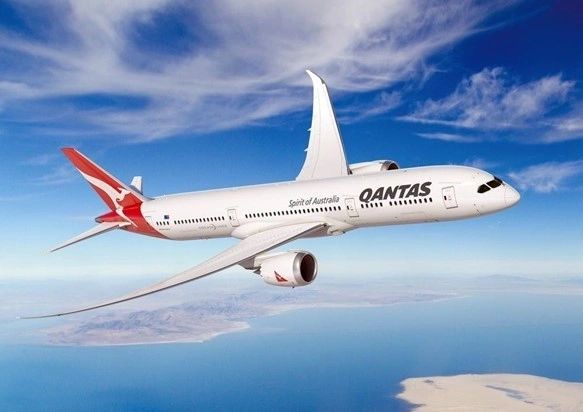
Photo credit: Qantas
Ground personnel at Qantas are planning a 24-hour strike on 12 September, adding to the airline’s woes.
Ground personnel at Qantas are planning a 24-hour strike on 12 September, adding to the airline’s woes.
More than 350 Dnata ground handlers contracted to Qantas, Emirates, Etihad Airways, and other airlines have vowed to strike on Monday, 12 September, impacting international travellers and perhaps delaying airport operations.
The decision, which comes after Qantas outsourced hundreds of personnel to third-party firms last year, is anticipated to pose serious travel problems for large airlines already struggling with employment challenges.
The TWU said 350 Dnata employees would strike in Sydney, Brisbane, and Adelaide after the vote for industrial action concluded on Friday.
TWU national secretary Michael Kaine stated that airport employees had faced a “downward spiral of salaries and conditions,” with most guaranteed 20 hours of work each week.
‘Ground handling is a highly skilled job, but thousands of experienced employees have been driven out of the sector by Qantas’ unlawful outsourcing and the Morrison Government’s refusal to provide JobKeeper to Dnata workers,’ Mr Kaine said in a statement.
‘Those that are left are trying to pick up the crumbs. The policy of Qantas management to dictate low compensation and working conditions from afar has converted once-coveted aviation occupations into precarious employment that no one can afford to stay in. For many, the decision is now between going on strike for better working conditions or being forced to quit the sector.
Dnata crews offer ground handling services for Qantas international flights in Sydney, Melbourne, and Brisbane, but not for domestic flights.
According to a Qantas spokesperson, Dnata offered services to more than 20 airlines in Australia, and a strike may impact the whole industry.
In August, Qantas urged corporate executives to help with ground and luggage operations to tackle widespread workforce shortages.
Executives would sort bags, scan tags, and even drive luggage tugs on the tarmac as part of the scheme.
Managers would pack planes with people’s belongings and move freight between flights under the unprecedented scheme.
‘It is our primary business priority to help our colleagues get our operation back on track and provide our customers with the experience they expect from the airline,’ Mr Hughes wrote.
Qantas stated that the ‘contingency strategy’ was implemented in response to failing to satisfy consumer expectations.
A Qantas representative said the discussions were Dnata’s responsibility, and the airline had contingency preparations to minimise disruptions.
According to a Dnata representative, the company provided staff with a “very competitive” wage package but was also required to maintain the company’s financial viability.
“We are sorry that we have not yet reached a deal with the bargaining representatives,” he said.
 Riyadh Air Commences Daily Dubai-Riyadh Flights as Inaugural Flight Takes Flight
  Qantas Project Sunrise A350 Cabin Finalised for Sydney–London
  China Airlines 787 Premium Economy: Style, Space and 4K Tech
  United Unveils New Chef-Curated Menu Items for Polaris Business
 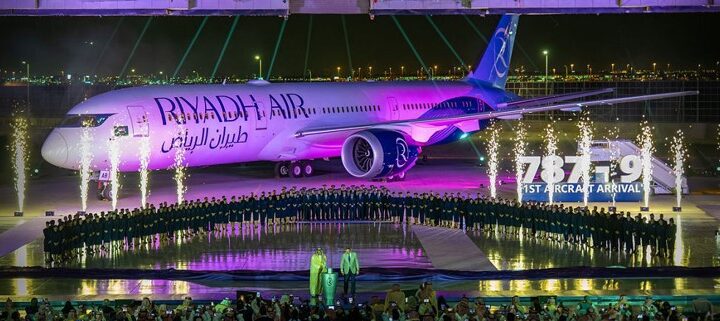 Riyadh Air Opens Tickets to Five New Dreamliner Routes
 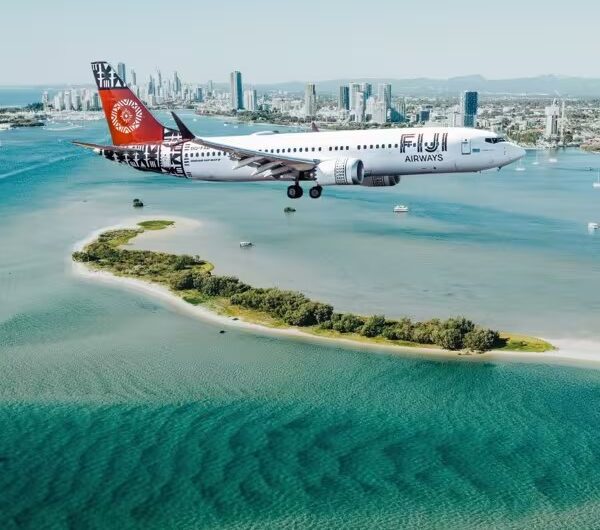 Fiji Airways Launches Direct Nadi–Gold Coast Flights
  HANSEATIC Spirit Completes First Major Docking with Fresh Nature-Inspired Look
  Coral Expeditions and Australian Geographic Launch New Kimberley Photography Voyages
  Waldorf Astoria London – Admiralty Arch Opens for Reservations Ahead of Autumn Debut