
Photo: Courtesy IATA
With the latest results from the IATA Fuel Efficiency Gap Analysis (FEGA), the International Air Transport Association (IATA) reemphasised that every drop of fuel counts in the aviation industry’s goal to achieve nett zero carbon emissions by 2050.
LOT Polish Airlines (LOT) is one of the airlines participating in the FEGA, which discovered an opportunity to reduce its yearly fuel usage by several percent. This translates to tens of thousands of tonnes of carbon reduction from LOT’s annual operations.
“Every drop matters. Since its beginning in 2005, FEGA has assisted airlines in identifying 15.2 million tonnes of carbon reductions by reducing fuel use by 4.76 million tonnes. LOT is the most recent example of an airline pursuing every opportunity to improve fuel usage efficiency. “That’s good for the environment and the bottom line,” said Marie Owens Thomsen, Senior Vice President Sustainability and Chief Economist at IATA.
FEGA found average fuel savings of 4.4% per airline audited. If fully achieved across all audited airlines, the savings from aircraft operations and despatch would be equivalent to eliminating 3.4 million petrol-powered cars from the road.
To discover possible fuel savings, the FEGA team compared LOT’s operations in flight despatch, ground operations, and flight operations to industry benchmarks. The most significant ones were recognised in flight planning, emission reduction through aviation procedure execution, and refuelling operations.
“FEGA identified specific areas where fuel economy might be improved. “The next step is implementation to achieve improved environmental performance and lower operating costs,” said Dorota Dmuchowska, LOT Polish Airlines’ Chief Operating Officer.
“FEGA is an important IATA offering.” The audit benefits the airline through the process by lowering fuel use, but it also helps the entire industry improve its environmental performance. These benefits will continue to grow as FEGA gains experience and extends its capabilities through anonymised and aggregated airline data. Most significantly, achieving the FEGA-identified savings will be a significant benefit as airlines migrate to SAF to pursue nett zero emissions by 2050,” said Frederic Leger, IATA’s Senior Vice President for Commercial Products and Services.
 Riyadh Air’s Fleet Boom Signals a New Era in Luxury Flying
 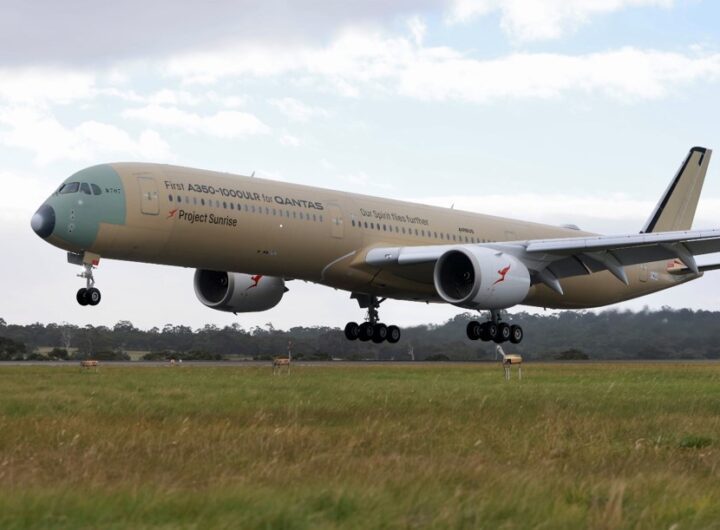 Qantas Project Sunrise Makes History on the Melbourne Runway
  United Economy Plus Redefines Space With Extra Elbow Room
 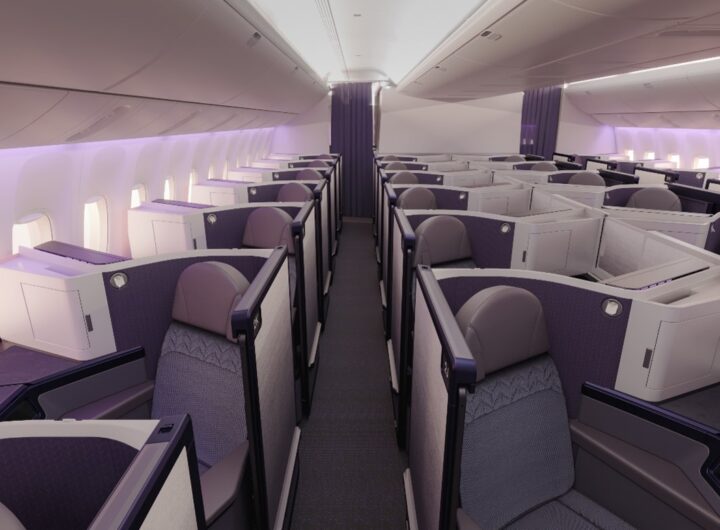 Air New Zealand Reveals New 777 Cabins for Luxury Travel
 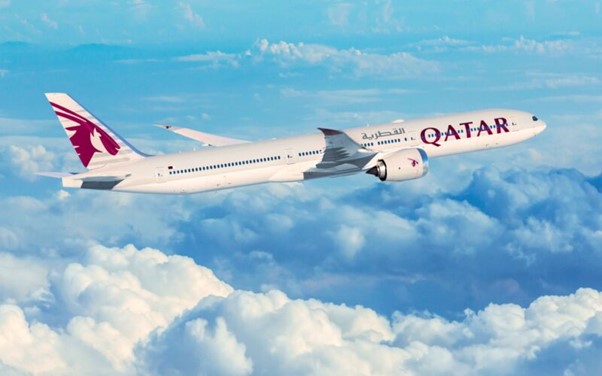 Qatar Airways Completes Australia Comeback With Canberra Return
  Inside Emirates’ Next-Gen Luxury Airport Lounge Experience
  Cunard’s Queen Victoria Gets a Fresh New Chapter at Sea
  Explora III Ushers In A New Era Of Ultra-Elegant Sea Travel
  Exclusive Private Bungalow Escape at Ceylon Tea Trails
  Holland America Turns Oosterdam Into a Rock-Show Stage