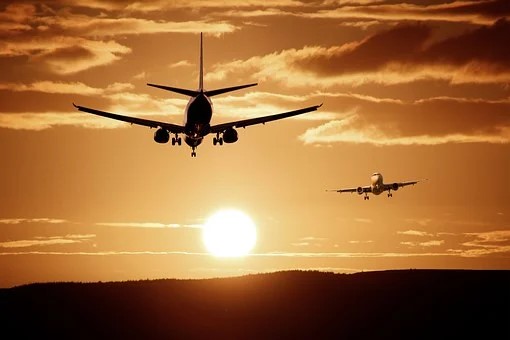
Photo: Own File
The war in the Gulf is hitting global aviation on multiple fronts, from flight cancellations and airspace closures to soaring fuel bills and higher ticket prices for travellers worldwide.
Why the Gulf matters to global aviation
The Middle East sits at the crossroads of Europe, Asia, Africa and Oceania, so Gulf hubs like Dubai, Abu Dhabi and Doha are central to the world’s busiest East–West air corridors. Over the past decade, these hubs have become essential linking points for flights between Europe and India, Southeast Asia, Australia and beyond.
When conflict closes airspace or disrupts operations at these airports, the impact ripples far beyond the region itself. Travellers who never set foot in the Gulf can still experience longer journeys, higher prices and fewer route options.
Airspace closures, detours and cancellations
Missile threats and military activity have forced airlines to avoid large parts of Gulf and wider Middle Eastern airspace, triggering tens of thousands of flight cancellations and diversions. Major Gulf airports have temporarily shut or reduced capacity, leading to more than 20,000 flights cancelled and leaving passengers stranded around the world.
To keep passengers safe, airlines are redrawing flight paths in real time, routing aircraft north via Turkey, the Caucasus and Central Asia or far south over the Arabian Sea and Africa. On some long‑haul routes, these dogleg detours add one to three hours of flying time, increasing fuel burn by up to 15–20 percent and adding tens of thousands of dollars in operating costs to a single flight.
How the war is pushing airfares higher
Airlines are facing a double cost shock: longer routes and sharply higher jet fuel prices driven by disruption to oil exports through the Strait of Hormuz. Jet fuel can account for 20–30 percent of an airline’s total operating costs, so when oil prices spike, carriers have little choice but to pass part of the increase on to customers.
Analysts report that detours of two to three hours can add between about US$6,000 and US$10,000 per extra flight hour, pushing the additional cost on a typical long‑haul sector into the tens of thousands of dollars. In response, airlines have already announced fare hikes, with some international tickets rising around 5 percent initially and further increases likely if the conflict continues.
Routes, regions and travellers most affected
Flights linking Europe with South and Southeast Asia, as well as services between North America and India or the Middle East, are among the hardest hit because they historically rely on Gulf and nearby airspace. Australian travellers are feeling the squeeze in particular, with almost half of Australia–Europe flights reportedly cancelled or rerouted via Asia, driving up demand and prices on alternative routes to Europe.
Airlines based in or reliant on Gulf hubs, including Emirates, Etihad and Qatar Airways, are bearing significant operational and financial pain, but European and Asian carriers that used the region as a bridge are also seeing reduced frequencies and higher unit costs. For travellers, that translates into fewer non‑stop or one‑stop options, tighter seat capacity and sustained upward pressure on fares across multiple markets, not just to the Middle East itself.
Key effects on aviation and airfares
| Impact area | What’s happening | What it means for travellers |
| Airspace & routing | Gulf and nearby airspace restricted; flights rerouted north or south. | Longer flight times, more connections, higher risk of delays. |
| Fuel & operating costs | Oil and jet fuel prices spike as Gulf oil flows are disrupted. | Airlines add fuel surcharges and increase base fares. |
| Capacity & schedules | Tens of thousands of flights cancelled or reduced across networks. | Less seat availability, more full flights, fewer cheap deals. |
| Demand & sentiment | Some passengers avoid the region; others pile into alternative routes. | Crowded Asia and Africa routings, volatile pricing on key corridors. |
How long could high airfares last?
Industry experts warn that elevated airfares are likely to persist as long as the conflict continues to disrupt oil markets and key air corridors. Travel bodies suggest that the full impact of the war on ticket prices will unfold over three to six months, with the risk of even sharper increases if fighting drags on or escalates.
Even after a ceasefire, airlines may be cautious about routing through previously threatened airspace, and traveller confidence in transiting Gulf hubs could take time to recover. Combined with aircraft supply constraints and strong underlying travel demand, that means “pre‑war” fare levels on many long‑haul routes may not return quickly.
 Riyadh Air’s Fleet Boom Signals a New Era in Luxury Flying
  Qantas Project Sunrise Makes History on the Melbourne Runway
  United Economy Plus Redefines Space With Extra Elbow Room
  Air New Zealand Reveals New 777 Cabins for Luxury Travel
 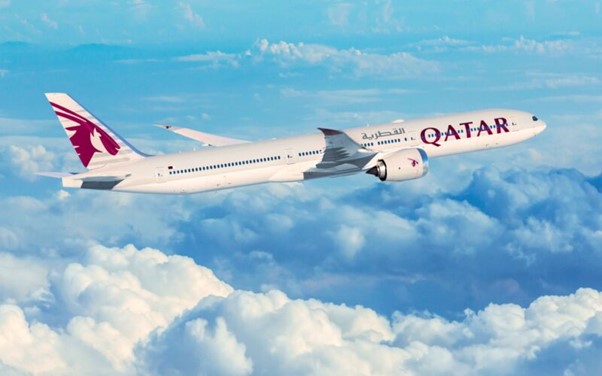 Qatar Airways Completes Australia Comeback With Canberra Return
  Inside Emirates’ Next-Gen Luxury Airport Lounge Experience
 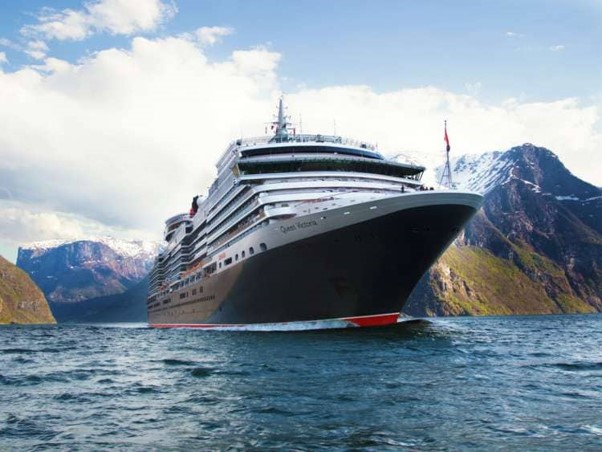 Cunard’s Queen Victoria Gets a Fresh New Chapter at Sea
 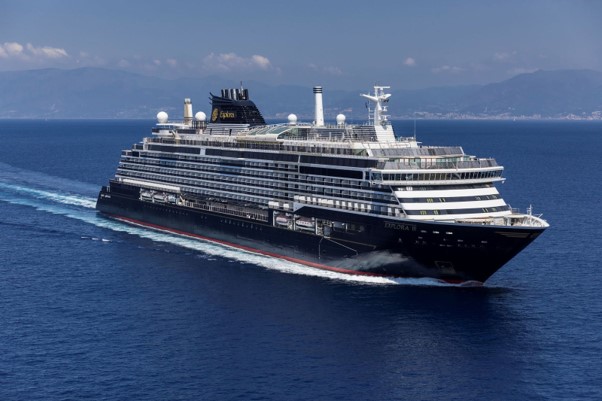 Explora III Ushers In A New Era Of Ultra-Elegant Sea Travel
  Exclusive Private Bungalow Escape at Ceylon Tea Trails
 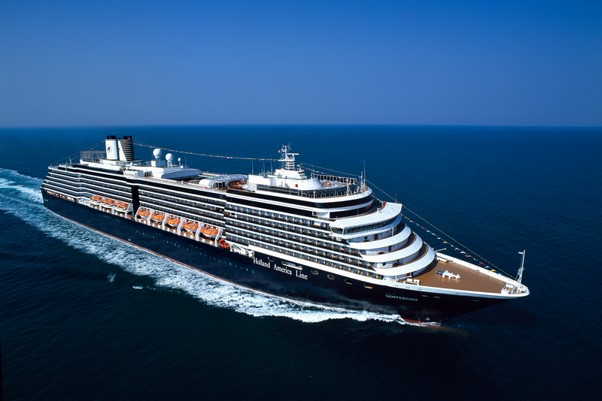 Holland America Turns Oosterdam Into a Rock-Show Stage