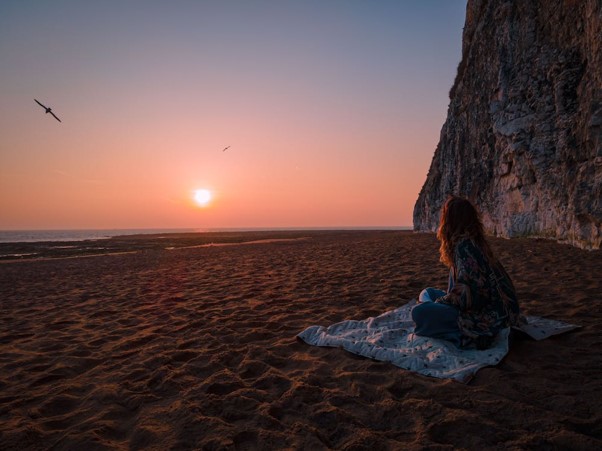
Photo credit: Sam Hancock - Pexels
From Luxury to “Side‑Quest Maxxing”
For Gen Z and millennials, the perfect trip is no longer defined by how plush the pillow is, but by how good the story will sound later. This generation is “side‑quest maxxing”: chasing spontaneous, once‑off moments they can talk about for years, not just ticking off another resort stay. A global trends report from American Express shows that younger travellers consistently prioritise experience‑rich, story‑driven vacations over traditional status symbols, with experiences and local flavour outranking material souvenirs in perceived value.
At the same time, experiential travel has become one of the fastest‑growing segments in global tourism, with analysts projecting the market will cross the multi‑trillion‑dollar mark in the coming decade as travellers shift from “seeing” to “doing.” Even in cruising—a sector long associated with floating resorts—growth is increasingly fuelled by younger, first‑time guests who see the ship as a launchpad for off‑ship adventures rather than the main event.
Budgets Are Tight, but Experiences Are Non‑Negotiable

Younger travellers aren’t blind to cost‑of‑living pressures; they’re actively reshaping their budgets around travel. American Express data shows millennials and Gen Z consistently rank travel as one of their top discretionary spending priorities, often ahead of shopping and other lifestyle splurges. Skyscanner’s latest Gen Z research echoes this: 52% of Gen Z Americans plan to travel abroad more in 2026, while only 35% expect to spend more on accommodation, signalling a willingness to economise on beds in order to protect experiences.
The tradeoffs are deliberate. Surveys show large numbers of younger travellers cutting back on dining out, shopping and everyday treats to fund their next trip and then trimming flight class, hotel tier or trip length before they sacrifice the glacier hike, food tour or concert they came for. For them, value is defined less by square footage and more by the richness of the memories they bring home.
A Generation Raised Online Wants Real‑World Stories

Glaciers Hiking – Photo courtesy: Adventure Life
The shift is partly a pandemic‑era reset—two years of grounded lives sharpened the sense that time, not things, is the real luxury. But it’s also about a generation raised online that’s now hungry for offline stories. American Express’ trends report notes that younger travellers are actively seeking trips that lend themselves to storytelling, local workshops and memorable “I did this” moments rather than passive sightseeing.
This is where “checklist tourism” becomes more nuanced. Yes, social media and bucket‑list culture can encourage surface‑level travel, but they also nudge younger travellers into new environments they might never have considered. Even when a trip begins as a quest for a viral shot, it often evolves into something deeper: new foods, unexpected conversations, and first‑hand encounters with different cultures. Skyscanner’s global research shows travellers increasingly choosing experiences that reflect their passions and identity—whether that’s beauty rituals, mountain escapes, supermarket “safaris” or book‑inspired city breaks.
What “Story‑Worthy” Travel Looks Like Now
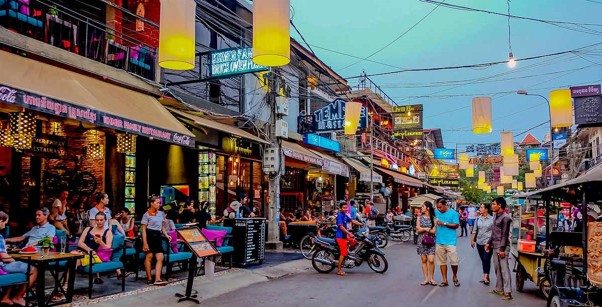
On the ground, “story‑worthy” travel is showing up in thousands of micro‑moments rather than one big splurge. For some, that’s glacier treks in Alaska, where the highlight is strapping on crampons and hearing the creak of ancient ice underfoot. For others, it’s cooking classes with local families, learning to grind spices, fold dumplings or perfect a regional dish you can only otherwise taste in‑destination. Wildlife encounters in hidden bays, or intimate cultural performances inside centuries‑old landmarks, are prized precisely because they feel unrepeatable.
Companies built around experiences are responding fast. Shore Excursions Group, one of the world’s largest independent shore‑excursion specialists, expanded its global portfolio by more than 1,000 new tours in 2024, adding fresh options every quarter to keep pace with demand for immersive, culturally rich and adrenaline‑infused outings. Rather than listing only “panoramic city tours,” they’re curating hands‑on, small‑group activities that feel personal, unexpected and perfectly suited to a post about “that insane day we had in port.”
As the Industry Adapts, Meaning Beats Marble
The biggest change isn’t that young travellers dislike luxury; it’s that they define it differently. To Gen Z and millennials, luxury looks like:
- Flexible itineraries that leave room for serendipity rather than rigid schedules.
- Access to people, places and experiences that feel otherwise out of reach, from after‑hours museum tours to chef‑led market walks.
- Stays and ships designed as creative, social hubs—places that help them connect with local culture, nature and each other, not just retreat behind a “Do Not Disturb” sign.
As experiential travel continues to surge, destinations, cruise lines and hotels that win with younger guests will be those that keep their eye on meaning, flexibility and memorable access, using design and amenities as a backdrop—not the whole show. The five‑star rating still matters, but only if it comes with a story worth telling.
If you think about your last “best” trip, was it the hotel thread count—or one or two unforgettable moments—that you still talk about now?
 Fly Free to Alice: Australia’s Red Centre Tourism Boost
  Slow Travel in the Nordics: Luxury’s New Way to Explore
  Inside Emirates’ Next-Gen Luxury Airport Lounge Experience
  Italymaxxing: One Trip, Lakes, Coast & Alps In One Go
  MGallery Debuts in Maldives with V Villas Maldives at Mirihi
  United Unveils New Chef-Curated Menu Items for Polaris Business
  United Economy Plus Redefines Space With Extra Elbow Room
  Oceania Cruises Caribbean 2026 Redefines Luxury Island Travel
  Silversea and PerryGolf Launch Luxury Golf Cruise Experiences
  Ponant Close to Home Voyages Offer Luxury Savings Now