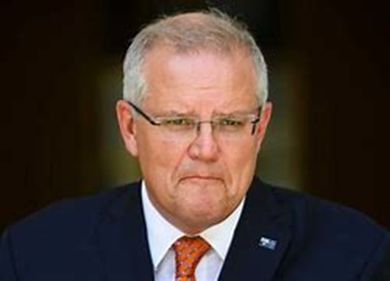
After the flight caps were reduced at the last cabinet meeting early January, from next week they will be increased again for returned travellers to help get overseas Australians home, the prime minister confirmed yesterday.
National Cabinet met this morning and determined the country’s hotel quarantine system would remain despite recent coronavirus transmission in the facilities.
Other topics on the agenda included the rollout of the COVID-19 vaccine now the doses have been secured, and how to deal with the virus long term.
The point is that the vaccination program, over months, as it’s rolled out, can change the nature of how Australia then manages the virus,” Scott Morrison said.
“The other matters considered today: it was agreed once again that the return of Australian residents is the priority, in terms of arrivals to Australia.
“We must remember that our borders are actually shut.
“No one can just come to Australia. To be able to come to Australia, you need to be an Australian resident or citizen, or have a particular exemption.”
From February 15 flight caps will be lifted, meaning more seats on planes and rooms in hotels will be available to returning Australians.
Mr Morrison also said the government is looking to expand the capacity at the Howard Springs quarantine facility in the Northern Territory.
“Already expanding it to 850, and potentially well beyond that, which would involve a more than doubling of that capacity at Howard Springs,” he said.
The government is also assessing a proposal from the Queensland government to open a new facility in Toowoomba.
“But we are still seeking a lot more information on that proposal,” Mr Morrison said.
“It’s not just about understanding the costing arrangements, but it is understanding the workforce arrangements to run a facility like that and how that can be delivered in that location – what the impact is on other local health facilities in a regional location like that,” he added.
The prime minister sought to remind Australia the risk posed by COVID-19 won’t change until a substantial proportion of the population is vaccinated.
“Vaccines are one thing, vaccinations are another,” he said.
“It’s vaccinations that actually change what is happening on the ground and the risk environment in which policy is set.”
Mr Morrison said the vaccines’ potential to drastically reduce the severity of the effects of COVID-19 creates “the potential that the virus can, over time, be considered in a very similar way to other viruses that are in the community”.
“The vaccination program, over months as it’s rolled out, can change the nature of how Australia then manages the virus,” Mr Morrison said.
He said when this occurs, COVID-19 statistics won’t be counted so much in case numbers but in numbers of hospitalisations or ICU admissions.
Edited by Joe Cusmano

 Hong Kong Eases Further Covid Restrictions For Travellers
  China Reduces International Arrival Quarantine To 5 Days
  Japan Reopen To International Travellers On 11 October
  Japan Lifts the Covid-19 Test For Vaccinated Travellers
  Indonesia May Reopen In April With Garuda’s return To Australia
 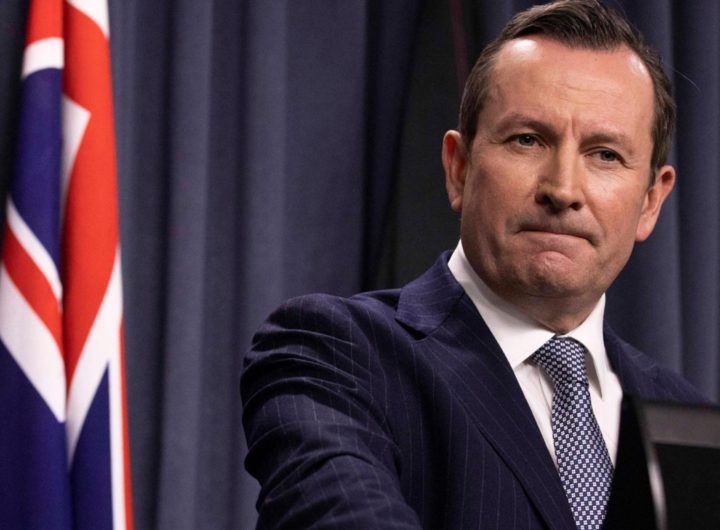 Western Australia Finally Opens The Borders
 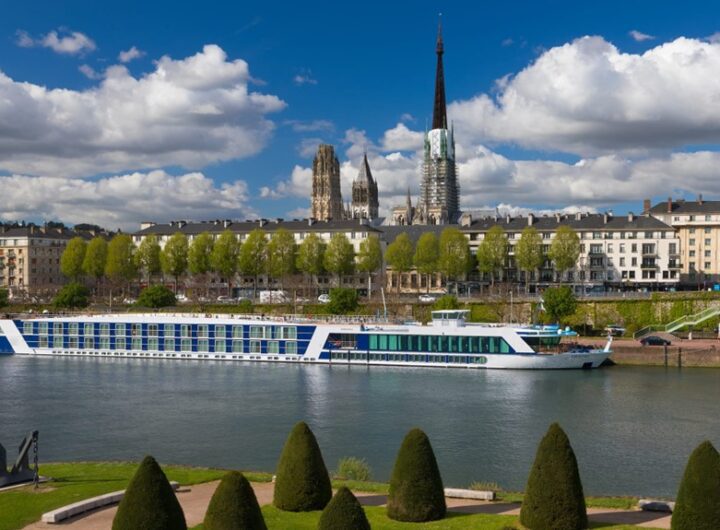 AmaWaterways Launches Fresh Brand Identity, Encouraging River Cruisers to ‘Follow Their Own Current’
  Marriott Bonvoy Launches Global Promotion Offering Bonus Points and Elite Night Credits Across 30+ Brands
 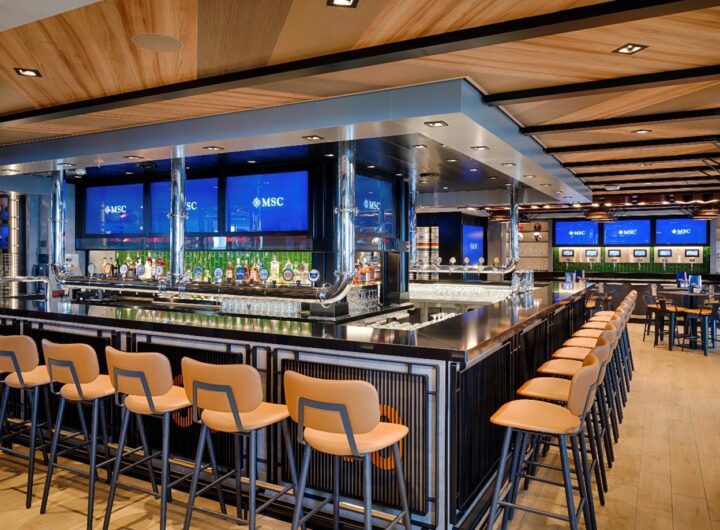 MSC Cruises to Stream 2026 Global Soccer Tournament Live Across Its Entire Fleet This Summer
 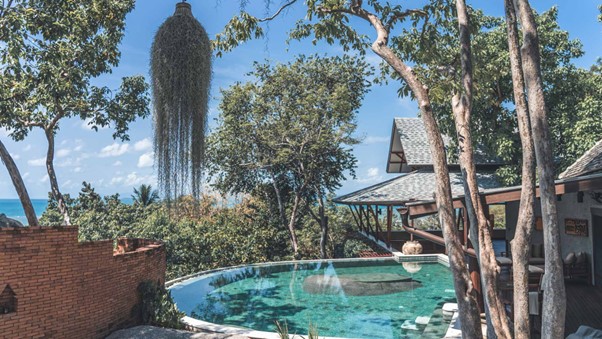 Five Reasons to Visit Kamalaya Now: Inside the Next Era of Thailand’s Legendary Wellness Sanctuary