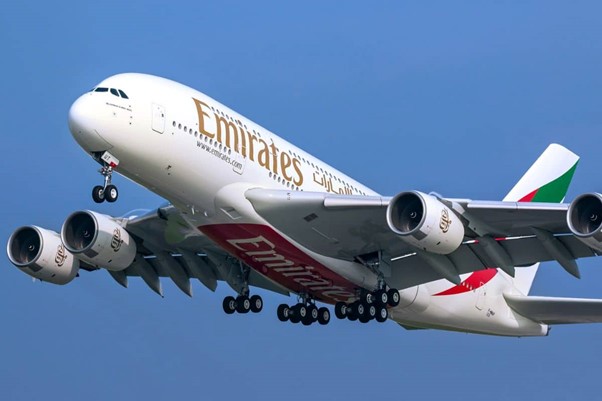
Emirates A380 – Photo: Courtesy Emirates
Last month, Emirates’ EK412 aircraft from Dubai to Sydney was the first to use sustainable aviation fuel (SAF) supplied by Shell Aviation.
Shell supplied 315,000 gallons of blended SAF for use at the airline’s hub in Dubai, comprising a mix of 40 per cent neat SAF and 60 per cent standard Jet A-1 fuel. Recently, the airline has powered several missions thanks to the first-ever delivery of SAF to Emirates in Dubai.
The chemical characteristics at this ratio are identical to conventional jet fuel. They can seamlessly be integrated into the existing airport fuel infrastructure and the engines of the entire Emirates fleet with no modifications required.
In its neat form, SAF reduces greenhouse gas emissions by up to 80 per cent over its life cycle compared to conventional jet fuel. Emirates has also been tracking SAF’s delivery, use and environmental benefits through Avelia, Shell Aviation’s blockchain-powered book and claim solution.
“We’re pushing ahead with proactive measures to enable more sustainable flying now and in the future, and powering flights from our Dubai hub is just one of the steps we’ve taken to reduce emissions and concretely help our customers minimise their carbon footprint. We still have a long road ahead, and we hope that our partnership with Shell Aviation inspires more producers to address the supply gaps and make SAF readily available in major hubs like Dubai, as well as other points on our network,” said Sir Tim Clark, President of Emirates Airline.
“Emirates and Shell have a long-standing history of collaboration, and we are thrilled to continue this journey together to enable SAF usage in the UAE. This first-ever supply of SAF to Emirates in Dubai is an example of what can be achieved when different parts of the aviation value chain come together. We hope this milestone will inspire further advancements in SAF adoption throughout the aviation industry in the UAE and the wider region,” said Jan Toschka, President of Shell Aviation.
Emirates has been actively championing strengthening the body of research around the industry’s understanding of SAF use in higher blends, its performance, safety and reliability, supporting standardisation and future certification of 100 per cent SAF, which still needs to be approved for regular commercial use.
The airline first began using SAF in 2017, when it uplifted it on a flight from Chicago, and since then, flights from Stockholm, Paris, Lyon and Oslo have also operated with blended SAF.
Emirates participates in industry and UAE government working groups and ongoing stakeholder engagements to help scale the production and supply of sustainable aviation fuel.
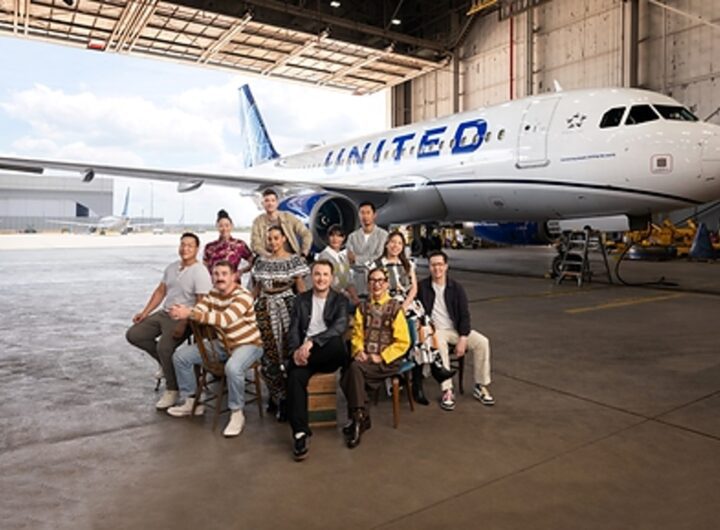 United Unveils New Chef-Curated Menu Items for Polaris Business
 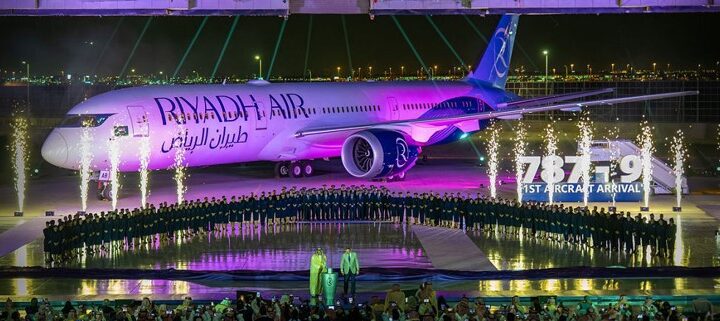 Riyadh Air Opens Tickets to Five New Dreamliner Routes
 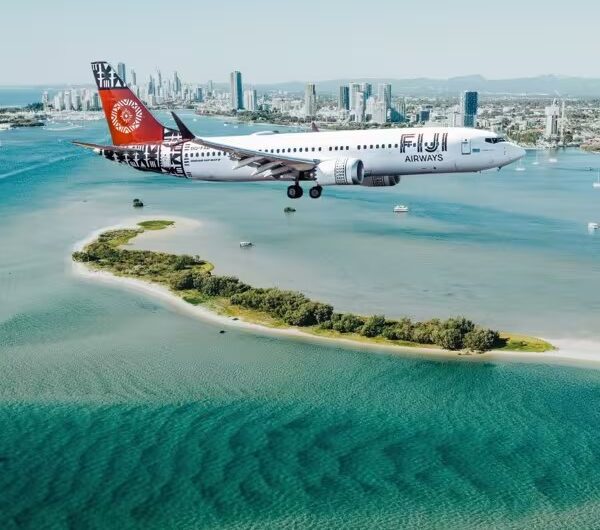 Fiji Airways Launches Direct Nadi–Gold Coast Flights
 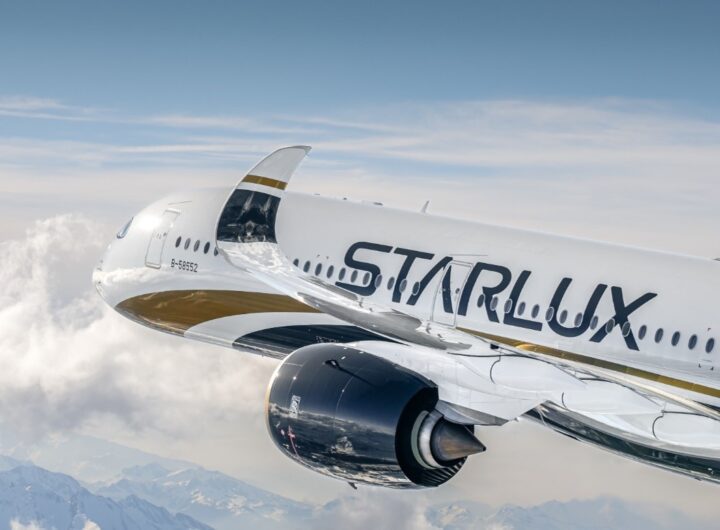 STARLUX Confirms Direct Sydney–Taiwan Flights for 2027
 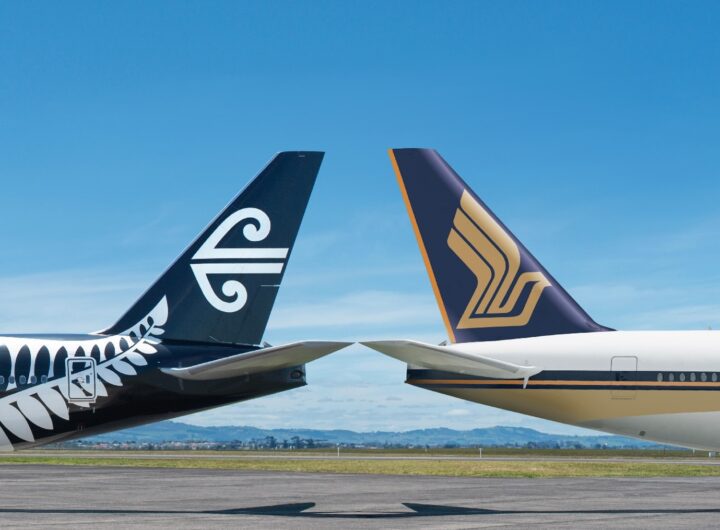 Air NZ & SIA Boost Premium Links Between Singapore and NZ
 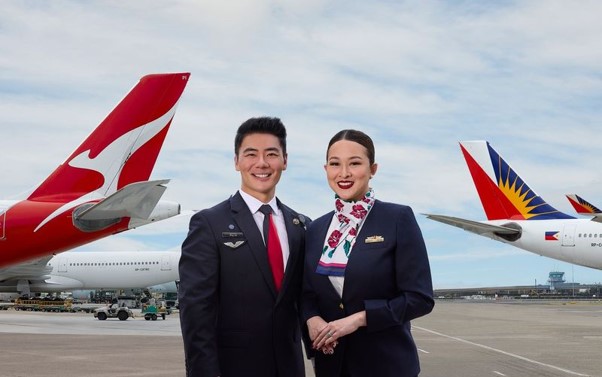 Qantas, PAL Unlock 15 New Island-Hopping Reward Destinations
 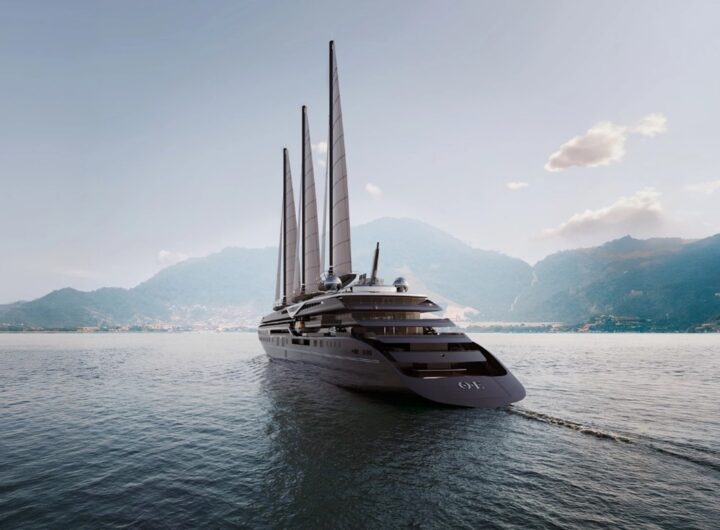 The Rise of Boutique Cruise Lines: Smaller Ships, Bigger Luxury
 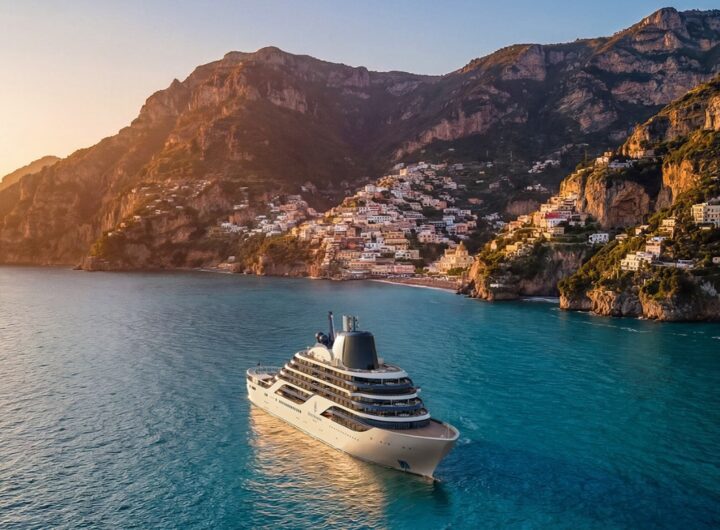 Four Seasons II Revealed with New Yacht Residential Suites
  Regent Unveils 2027 Spotlight Voyages Led by Wellness & Wine
 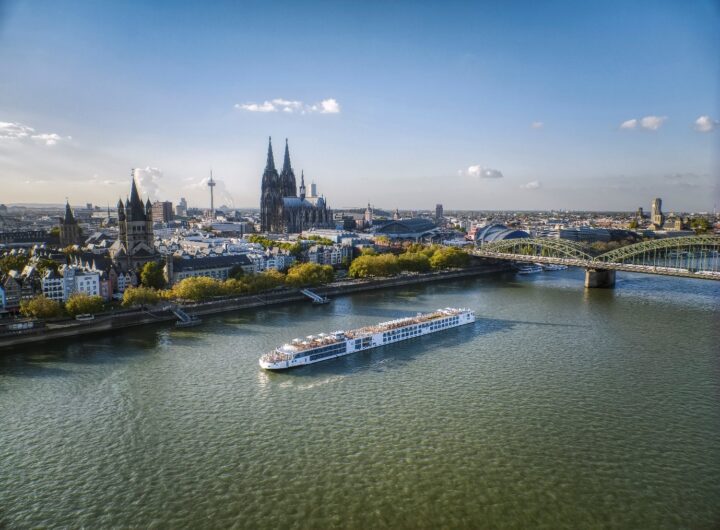 Viking Adds New River Ships Annar and Fjolvar to Europe Fleet