Currently, international flights departing Australia have the greatest occupancy rates in history.
But the high numbers are primarily due to the fact that airlines have been slow to return in numbers to Australia, with capacity – or seats for sale – down 45 per cent on pre-pandemic numbers, while the existing airlines flying into Australia have boosted the rates to an unprecedented level.
Despite new BITRE data from the transport department, international air travel is slowly recovering from the pandemic.
The 2,095,503 travellers who entered the country in September were 40% less than the 3,496,774 who joined in the same month of 2019. However, September’s totals are 5% higher than August’s totals.
In comparison to 2019’s total of 4,307,590, there were just 2,398,759 seats for sale last month.
The latest research revealed, in terms of passenger carriage, Qantas had the highest share of the market in September 2022 with 17.6 per cent of the total, followed by Singapore Airlines with 12.3 per cent, Jetstar with 11.9 per cent, Air New Zealand with 9.7 per cent, and Emirates with 8.0 per cent.
In September of 2022, the combined market share of the Qantas Group (Qantas Airways and Jetstar) was 29.5%. The group’s percentage of total passenger carriage in September 2022 was 31.8 percent, up from 0% in September 2021 and 26.4 percent in September 2019. This was mainly due to the efforts of “Australian designated airlines” such as Qantas Airways, Jetstar, and Virgin Australia, which accounted for 31.8% of all passenger carriage that month. As of September 2021, they have a 0% market share, while in September 2019, they held 32.9%.
Despite competition from domestic airlines, Melbourne Airport saw a rise in its monthly foreign passenger numbers during the holiday season.
Comparing the months before and after the pandemic, overseas arrivals at Melbourne Airport increased by just 3%. In October, comparable to the same month in 2019, the company’s share of overseas traffic increased to 65% from 62%.
Melbourne’s sluggish recovery in international aviation lends credence to Brisbane Airport CEO Gert-Jan de Graaff’s forecast that total travel volumes won’t exceed 2019 levels until 2025.
Some countries are still closed or have restrictions, and airlines need time to get back up and running before people can feel safe flying again, he added. But I believe we will see volumes exceeding 2019 levels beginning in 2025 and beyond. Even if domestic travel is on the rise, it is rising slower than its international equivalent. We have recovered to around 50% of pre-COVID levels at this time.
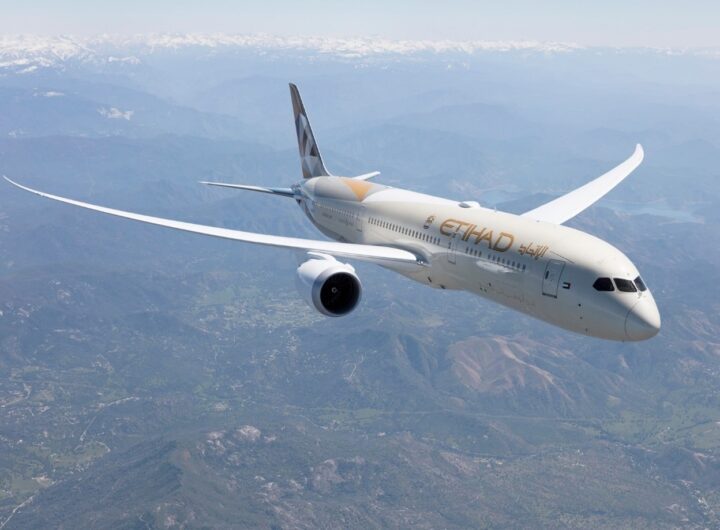 Etihad Upgrades All Australia Flights to Its Newest Business Class Suites
 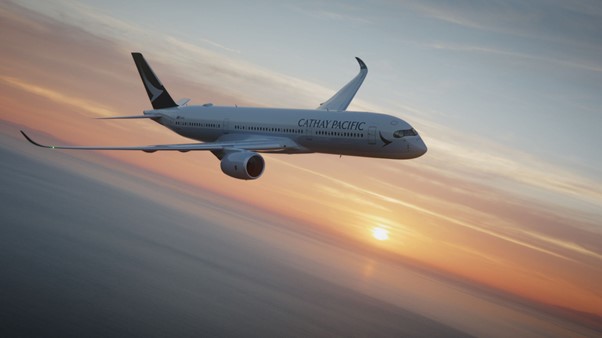 Cathay Strengthens Global Sustainability Leadership With Record SAF Commitments in 2025
 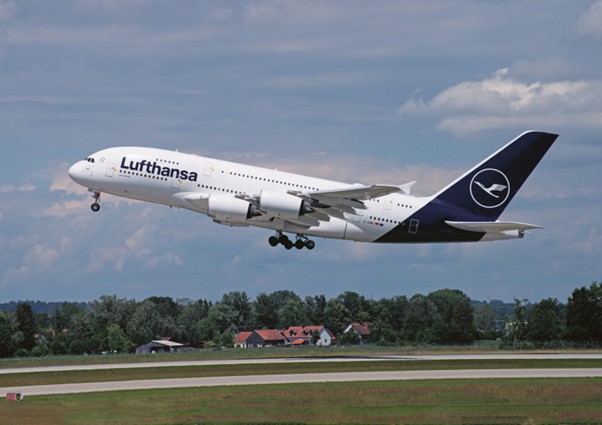 Lufthansa Begins A380 Business Class Retrofit, Elevating Comfort and Privacy Across Its Largest Aircraft
  United Showcases Starlink Wi‑Fi in Big Game Ad as 300+ Regional Aircraft Go Online
 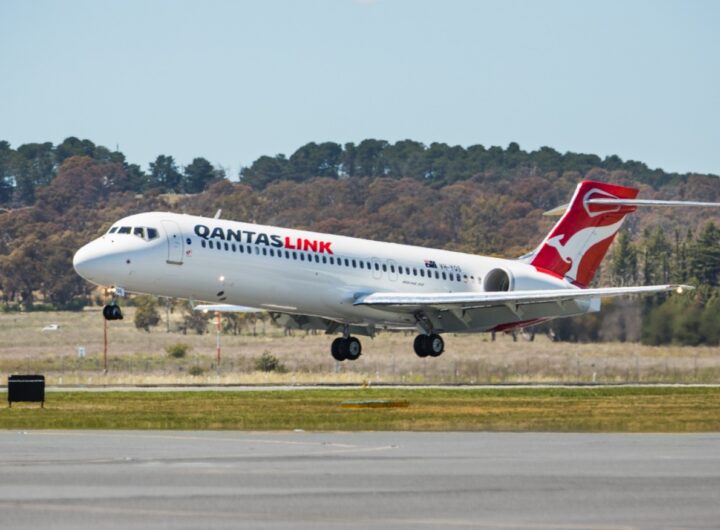 Qantas Launches Major Regional Lounge Refresh Program Across Seven Australian Airports
  Virgin Australia Launches ‘Extra Comfort, Zero Imitation’ Sale With Economy X Upgrades From Just $15
  AmaWaterways Launches Fresh Brand Identity, Encouraging River Cruisers to ‘Follow Their Own Current’
  Marriott Bonvoy Launches Global Promotion Offering Bonus Points and Elite Night Credits Across 30+ Brands
  MSC Cruises to Stream 2026 Global Soccer Tournament Live Across Its Entire Fleet This Summer
  Five Reasons to Visit Kamalaya Now: Inside the Next Era of Thailand’s Legendary Wellness Sanctuary