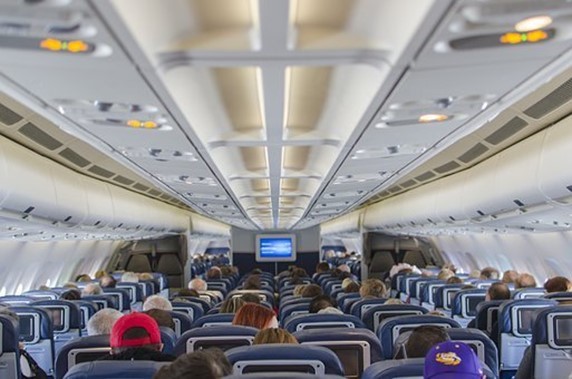
According to Bloomberg, the European Union announced last week that it would enable the “widespread deployment of 5G services” on aeroplanes by installing special “pico-cells” that would link to satellites and then bounce those signals back down to Earth.
The 5G spectrum will be segmented to allocate specific frequencies for use in aircraft, most likely in the “millimetre-wave” bands with limited range but can support high data rates.
According to a statement released by the European Commission, this decision would allow airlines to enable passengers to make and receive phone calls, text messages, and data precisely as they would on the ground.
It may be okay to have people around you talk on the phone on a short flight for up to two hours. Still, I wonder if anyone would be happy to have this service on a long-haul journey where silence and discretion are more desired.
The Federal Communications Commission of the United States has also stated its intention to instal mobile cellular frequencies aboard aeroplanes in 2020.
However, it faced a lot of criticism from many airline employees, including flight attendants, pilots, and others,
Phone calls are currently possible on many flights, but they are prohibitively costly, and voice services like WhatsApp and Skype are forbidden on in-flight Wi-Fi networks, so passengers would applaud this option.
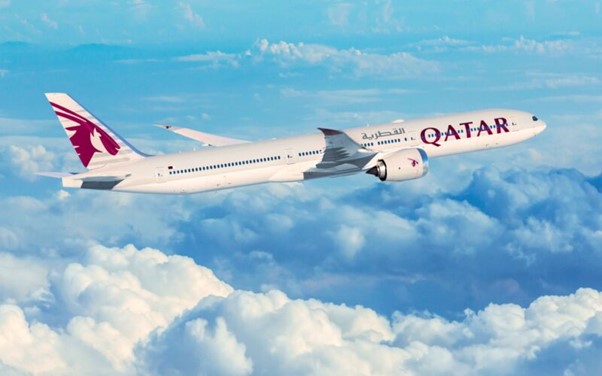 Qatar Airways Completes Australia Comeback With Canberra Return
  Inside Emirates’ Next-Gen Luxury Airport Lounge Experience
 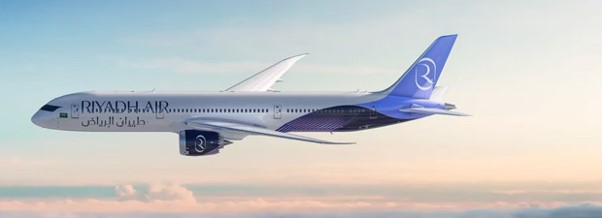 Riyadh Air Expands to Málaga & Kuala Lumpur
  Riyadh Air Commences Daily Dubai-Riyadh Flights as Inaugural Flight Takes Flight
 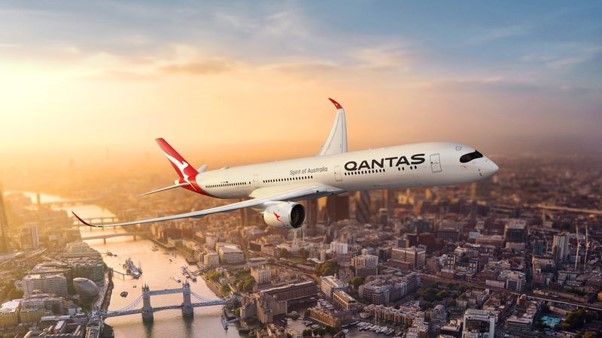 Qantas Project Sunrise A350 Cabin Finalised for Sydney–London
  China Airlines 787 Premium Economy: Style, Space and 4K Tech
  Sail Antarctica with Shackleton’s Legacy on PONANT 2027
  Slow Travel in the Nordics: Luxury’s New Way to Explore
  Crystal Wellness at Sea 2027 Retreats Redefine Luxury Travel
  Holland America’s 2027–28 Caribbean Season Redefined