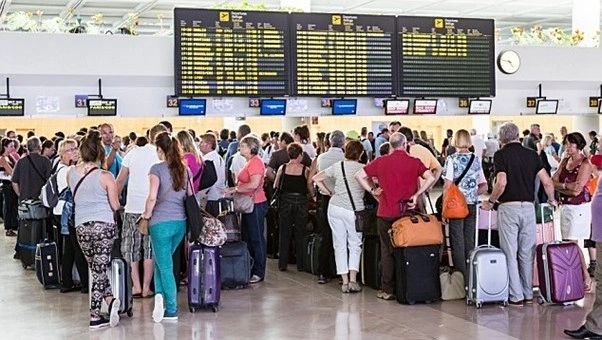
The International Air Transport Association (IATA) is pushing for countries to adopt standardized digital COVID-19 screening processes at their airports. If they don’t get organised, says travellers could face waits up to eight hours as vaccination records and test results are verified.
“Without an automated solution for COVID-19 checks, we can see the potential for significant airport disruptions on the horizon,” IATA Director General Willie Walsh said.
Walsh, former CEO of the International Airlines Group, which includes British Airways, Aer Lingus and Iberia added that IATA, the trade association for 290 of the world’s airlines, puts pre-pandemic wait times around 1.5 hours, on average. Now, even with most airports almost fully staffed and passenger numbers at only about 30% of what they were at their pre-pandemic peak, those wait times have doubled “reaching an unacceptable three hours.” The greatest increases have been reported at check-in and border control, where health credentials (mainly paper documents) are being checked.
“Nobody will tolerate waiting hours at check-in or for border formalities,” Walsh said. “We must automate the checking of vaccine and test certificates before traffic ramps up.”
The technology already exists, as seen with IATA’s own Travel Pass app and the automated check-in processes airlines currently use to verify passenger identities. Adding a COVID-19 verification component would eliminate the need for manual checks, cut down on queues and help to eliminate fraudulent documentation, IATA said.
The organization is pushing for countries attending the G7 summit on June 11 to adopt a standardized set of internationally recognizable digital protocols that will speed things up as travel resumes.
Some countries including the U.K., where the G7 summit is set to be held — have taken measures to thin crowds as they anticipate an influx of travellers. Specifically, the U.K. has warned that wait times at London’s Heathrow could stretch up to six hours.
“This cannot wait,” Walsh said. “More and more people are being vaccinated. More borders are opening. Booking patterns tell us that pent-up demand is at extremely high levels. But governments and the competent authorities are acting in isolation and moving far too slowly. A smooth restart is still possible. But governments need to understand the urgency and act fast.”
By Joe Cusmano

 Riyadh Air’s Fleet Boom Signals a New Era in Luxury Flying
  Qantas Project Sunrise Makes History on the Melbourne Runway
  United Economy Plus Redefines Space With Extra Elbow Room
 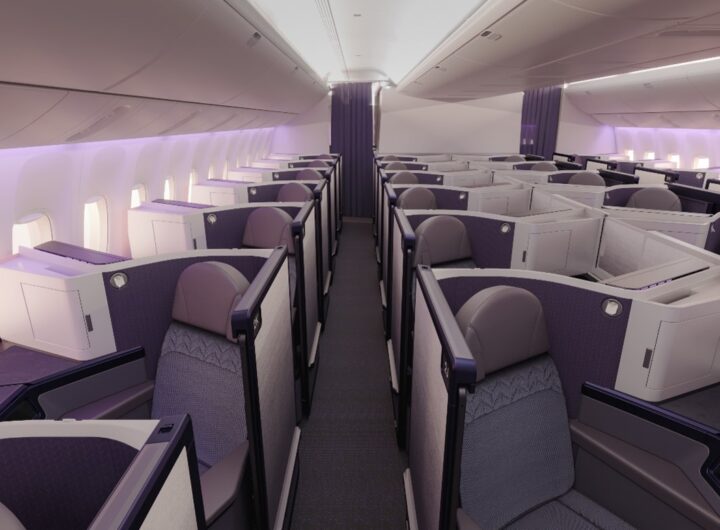 Air New Zealand Reveals New 777 Cabins for Luxury Travel
 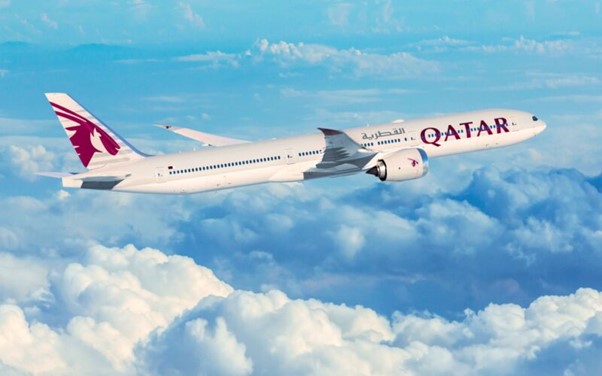 Qatar Airways Completes Australia Comeback With Canberra Return
  Inside Emirates’ Next-Gen Luxury Airport Lounge Experience
  Cunard’s Queen Victoria Gets a Fresh New Chapter at Sea
 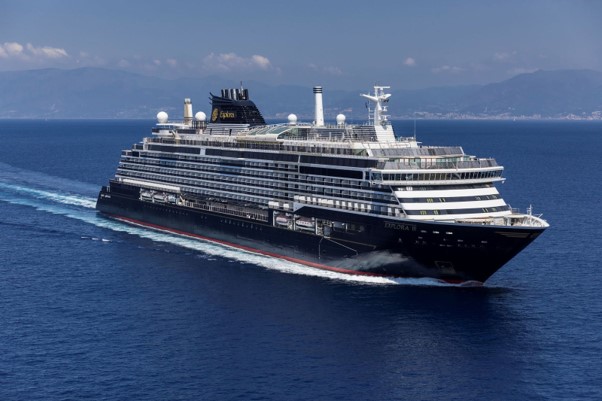 Explora III Ushers In A New Era Of Ultra-Elegant Sea Travel
  Exclusive Private Bungalow Escape at Ceylon Tea Trails
  Holland America Turns Oosterdam Into a Rock-Show Stage