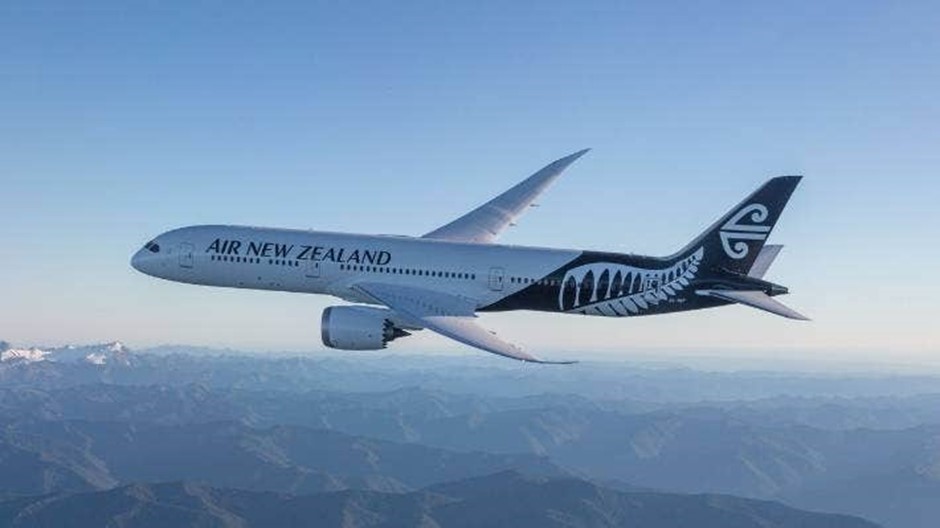
Air New Zealand B787 Dreamliner- Photo Courtesy Air New Zealand
Air New Zealand has decided to run with 1,5 percent fewer seats than intended to make up for staffing deficiencies. That means that AIR NEW ZEALAND’s domestic and international schedule will operate at 90% of pre-COVID capacity for the next six months.
Passengers who must switch flights typically do so to another aircraft departing the same day (for domestic travel) or within a day (or two) of their original booking (for overseas travel). When customers’ requests for online booking changes, credit, or refunds are not met within specified time constraints, the hotel reserves the right to cancel their original reservation and issue a full refund.
As of today, affected passengers will begin receiving notification of their modifications and will be immediately rebooked onto an alternative aircraft. We will address any issues directly with affected customers, including those with connections farther down the line.
CEO Greg Foran of Air New Zealand said that announcing the changes would be better for consumers because it would allow them more time to make alternate plans and help the airline provide more consistent service during its reconstruction.
While COVID and the flu continue to impact the aviation industry, “like many airlines around the world, we’ve been ramping up our operation” Foran said.
We’ve made some changes to minimise last-minute cancellations in the coming months in light of the difficulties experienced by our customers and employees over the past five weeks.
Despite including sick time in our ramp-up schedule, our staff has been hit by the greatest sickness rates in over a decade. We expect these problems to persist throughout our entire organisation, not just with the crew; thus, we are taking preventative measures to deal with them.
Foran explains that by reducing flight frequency, the airline can keep extra staff on call in case of illness, which has not been possible recently.
Air New Zealand has reduced capacity and announced a goal of reducing carbon emissions by 2030.
According to the Science Based Targets initiative (SBTi), we need to cut our carbon intensity by 28.9 percent between 2019 and 2030. This is an absolute decrease in emissions of 16.3 percent throughout the time frame.
According to David Morgan, Air New Zealand’s chief operational integrity and safety officer, this is a significant step towards the company’s aim of achieving nett zero carbon emissions by 2050. It shows where we need to be by 2030 to achieve the 2050 objective.
Morgan remarked, “this interim aim will motivate effort today and position the airline for success in achieving its nett zero 2050 target.”
It was a long and challenging road to getting the target approved by the SBTi, but we did it, and for that, we are very grateful. The SBTi carefully examined our GHG output to guarantee a precise emissions baseline and a scientifically sound goal-setting procedure. Today, we are held responsible because of this objective. Sustainable aviation fuel (SAF), ongoing fleet renewal, operational efficiency, and zero emissions aircraft technology will all play a role in implementing our decarbonisation roadmap and accomplishing this goal.
 Riyadh Air’s Fleet Boom Signals a New Era in Luxury Flying
  Qantas Project Sunrise Makes History on the Melbourne Runway
  United Economy Plus Redefines Space With Extra Elbow Room
 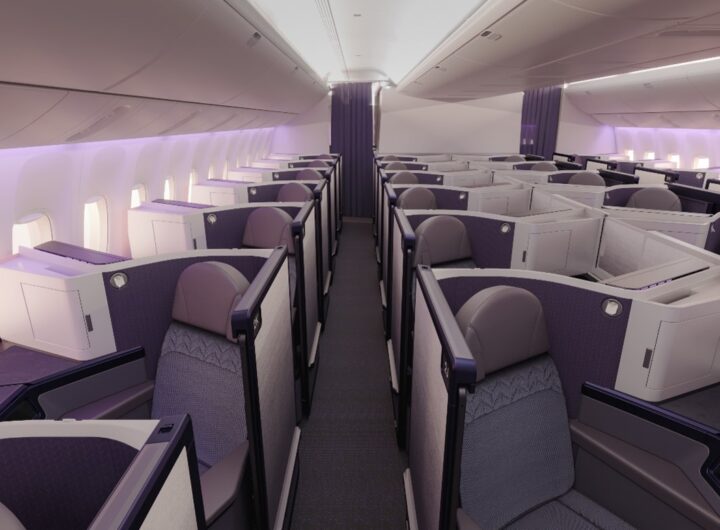 Air New Zealand Reveals New 777 Cabins for Luxury Travel
  Qatar Airways Completes Australia Comeback With Canberra Return
  Inside Emirates’ Next-Gen Luxury Airport Lounge Experience
  Cunard’s Queen Victoria Gets a Fresh New Chapter at Sea
 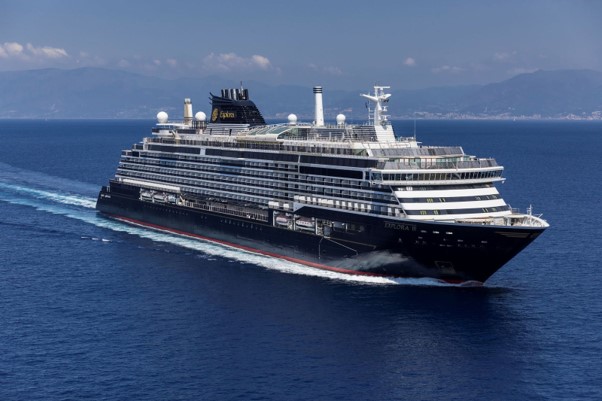 Explora III Ushers In A New Era Of Ultra-Elegant Sea Travel
  Exclusive Private Bungalow Escape at Ceylon Tea Trails
 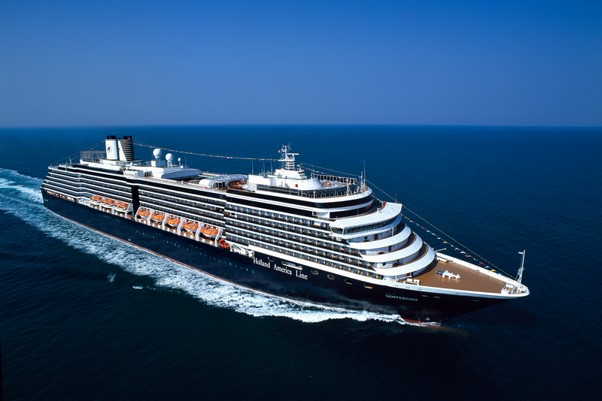 Holland America Turns Oosterdam Into a Rock-Show Stage