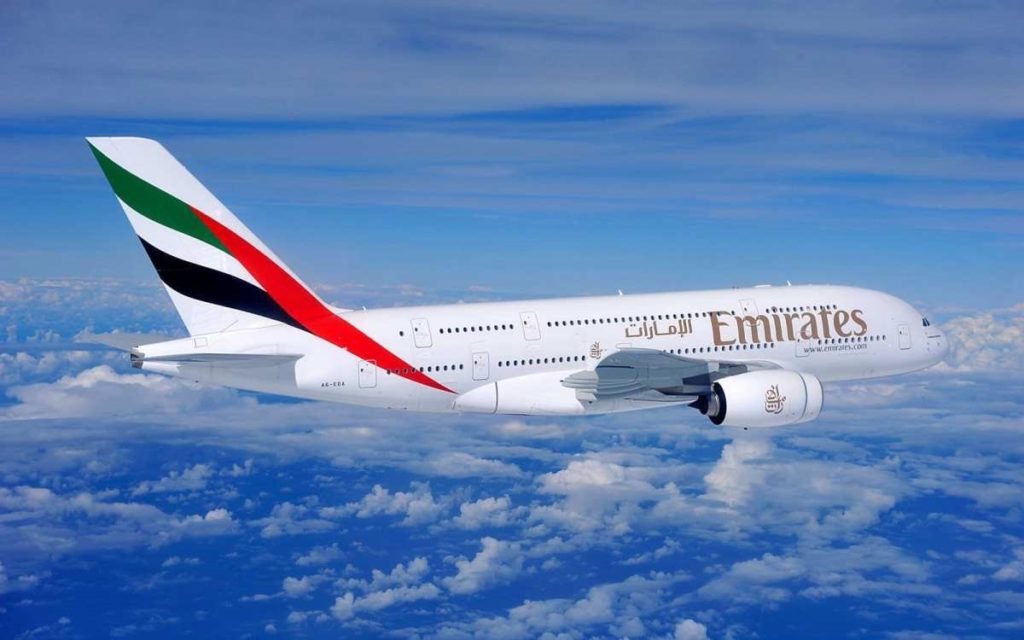
Emirates values its relationships with airport stakeholders across its network, with whom it works harmoniously to ensure the safety of its flights and the least inconvenience for its customers, especially during the busiest travel seasons.
London Heathrow Airport granted Emirates only 36 hours to comply with capacity cuts, a number that looks to have been fashioned out of thin air. They threatened Emirates with legal action if they didn’t comply with their demands, which included specifying the flights on which they should remove paying customers.
Emirates rejected these demands because they were illogical and unreasonable.
Dnata, a subsidiary of the Emirates Group, manages Emirates ground services and catering at London Heathrow Airport. So, the core of the problem rests in the airport operator’s responsibility for the airport’s central services and systems.
Since October 2021, Emirates has resumed six daily A380 flights to and from LHR. The airport should not be surprised by its operational needs after ten months of consistently high seat loads.
Thousands of people who paid for and booked months in advance for long-awaited package vacations or journeys to see loved ones will have their seats denied due to the airlines’ callous disrespect for their customers. And all of this occurs right before the busiest time of year for travellers to the UK, before the UK summer vacation when many people are itching to get out of the country after two years of travel bans due to the pandemic.
Doing the right thing for our customers is at the heart of Emirates. Reserving seats for the large number of people who may be affected by this is impossible because all flights, including those to and from other London airports and on other carriers, are already fully booked for the foreseeable future. 70% of our clients from LHR are travelling to see loved ones in far-flung destinations, making it impossible for us to locate them new onward connections at short notice. This complicates things further.
Relocating part of our passenger operations to other airports in the United Kingdom on such short notice is also impossible. It’s not as straightforward as finding a parking spot at a mall to ensure ground readiness for handling and turning a widebody long-haul aircraft with 500 passengers on board.
The final line is that the LHR management team has shown in this instance to be indifferent to travellers and airline consumers. All the signs pointed to a solid recovery in travel, and Emirates has been vociferous about it for months. In the last year, we rehired and trained 1,000 A380 pilots so that we could meet consumer and travel demands.
LHR decided not to take action, plan, or invest. Faced with an “airmageddon” situation as a result of their incompetence and inaction, they are shifting the entire responsibility of costs and the hustle to sort out the problem to airlines and passengers.
Emirates has praised the UK Department of Transport and Civil Aviation Authority for their efforts to obtain information from London Heathrow Airport (LHR) on their response plans, system resilience, and the seemingly arbitrary cap of 100,000 daily passengers, given the enormous value that the aviation industry provides to the UK economy and communities. At a time when LHR claims to have 70% of its ground handling resources in place and handles 80.9 million passengers per year, the cap represents a more than 50% reduction in capacity.
Emirates will continue to fly to and from LHR until further notice.
 United Economy Plus Redefines Space With Extra Elbow Room
  Air New Zealand Reveals New 777 Cabins for Luxury Travel
  Qatar Airways Completes Australia Comeback With Canberra Return
 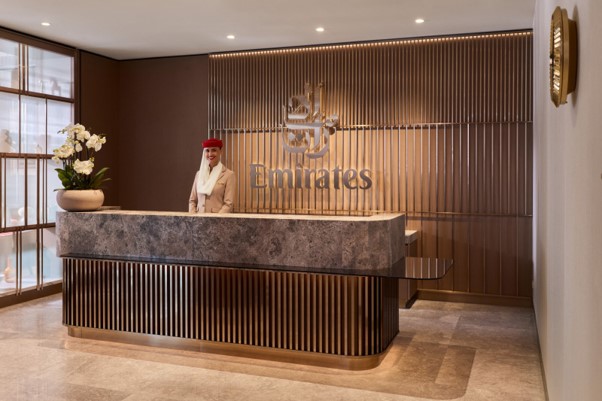 Inside Emirates’ Next-Gen Luxury Airport Lounge Experience
  Riyadh Air Expands to Málaga & Kuala Lumpur
  Riyadh Air Commences Daily Dubai-Riyadh Flights as Inaugural Flight Takes Flight
  Viking 2030 Oberammergau Voyages Blend Culture and Luxury
 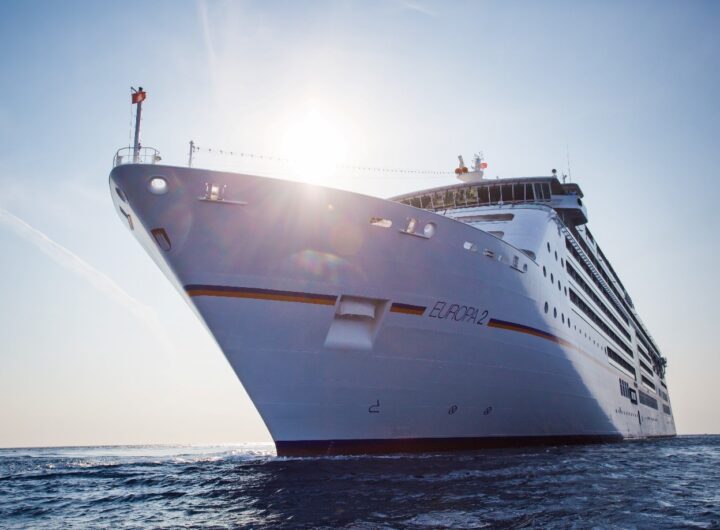 ART 2 SEA 2027 Cruises Blend Luxury Travel With Global Art
 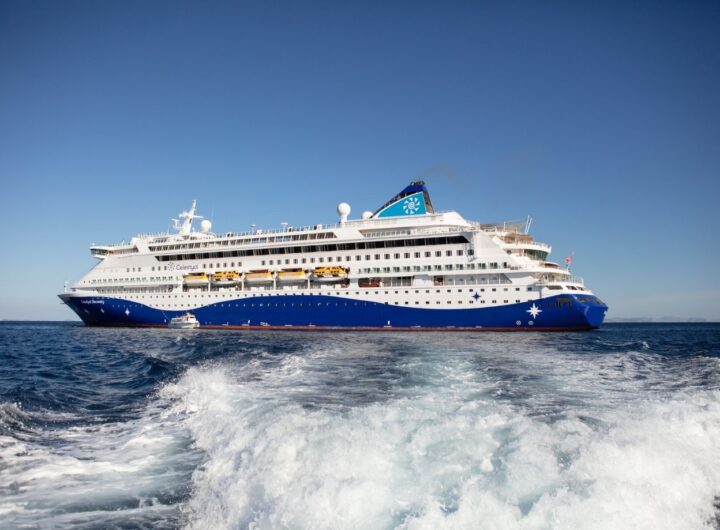 Celestyal Expands West With New Mediterranean Odyssey Sailings
  Crystal Grace Redefines Luxury With Family and Outdoor Spaces