As the pandemic wreaks havoc on the airline industry, Asia-Pacific is about to enter its third year of international travel turmoil with chances of recovery looking bleak.
After a brief period of open borders, the Omicron surge has forced airlines to postpone hundreds of flights and modify their flight schedules once more this week.
The spread of the Covid-19 Omicron variant has hampered an already difficult return to international travel in the Asia-Pacific region, making the Covid-19 recovery much more precarious.
According to an AAPA analysis, international passenger volumes in November 2021 were only 5% higher than in November 2019, but this was before news of the new variant’s widespread deployment forced governments to postpone any additional border reopenings.
Qantas and Jetstar slashed significant capacity on domestic and international routes through the end of March, citing Omicron concerns and a “sudden decrease in demand.”
On the other hand, Qantas Group CEO Alan Joyce says that forwards bookings for the Easter holiday season in April are “looking promising.”
Virgin Australia announced a 25% capacity decrease and the suspension of its only international service, Sydney-Nadi, which had only begun four weeks before.
Cathay Pacific is perhaps the ultimate example of an airline suffering from causes over which it has little control, and its finances have recently deteriorated further. This week, it would have taken little persuasion to learn that China may not reopen to international travel until 2023 as part of its “zero-Covid” policy.
Cathay Pacific recently suspended new ticket sales for its Vaccinated Traveller Lanes and service to Australia, Qatar, the United Arab Emirates, and Saudi Arabia, while Singapore, like Cathay Pacific, has no domestic market to fall back on.
According to the city-state government, once the initial wave of the variant has passed, the recovery rate is expected to pick up again.
It is less difficult for Cathay’s mainland competitors due to robust domestic market performance projections in 2022, which may lead to airline profitability.
Even in a country where Covid-19 infections are quickly detected and limited, domestic performance is not guaranteed. Airlines such as Air China, China Eastern, and China Southern will test how a zero-Covid policy affects the highly transmissible Omicron variant.
Despite the justified optimism that the newest epidemic setback is only temporary, the near-grounding of international air travel in the Asia-Pacific area is poised to enter its third year.
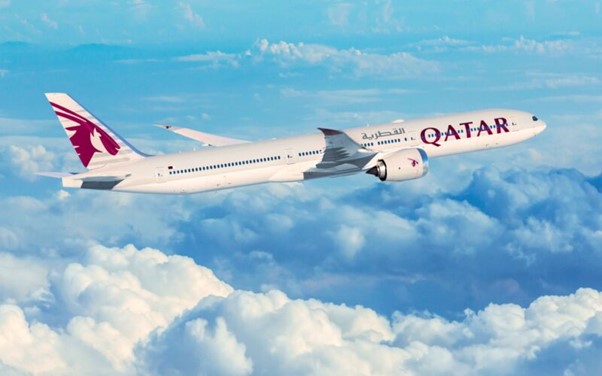 Qatar Airways Completes Australia Comeback With Canberra Return
  Inside Emirates’ Next-Gen Luxury Airport Lounge Experience
  Riyadh Air Expands to Málaga & Kuala Lumpur
  Riyadh Air Commences Daily Dubai-Riyadh Flights as Inaugural Flight Takes Flight
 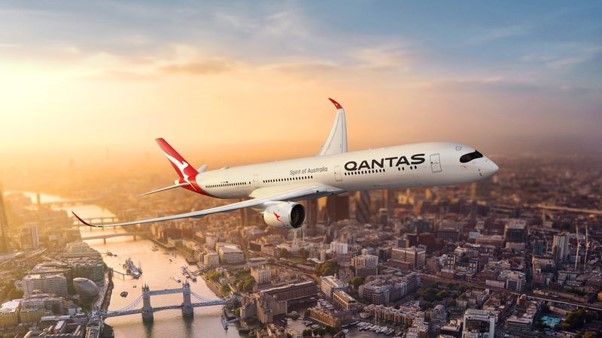 Qantas Project Sunrise A350 Cabin Finalised for Sydney–London
  China Airlines 787 Premium Economy: Style, Space and 4K Tech
  Sail Antarctica with Shackleton’s Legacy on PONANT 2027
  Slow Travel in the Nordics: Luxury’s New Way to Explore
  Crystal Wellness at Sea 2027 Retreats Redefine Luxury Travel
  Holland America’s 2027–28 Caribbean Season Redefined