
Photo courtesy: Air New Zealand
Air New Zealand has completed the first phase of its Next Generation Aircraft Technical Demonstrator Programme, wrapping up a four‑month electric aircraft trial that offers a glimpse of how future low‑emissions aviation could work across Aotearoa. In partnership with US‑based BETA Technologies, the airline operated the battery‑electric ALIA CX300 on real routes under real conditions, gathering the kind of operational data airlines need if they are to seriously cut emissions on short‑haul networks.
Inside the ALIA CX300 demonstrator programme
Over the course of the trial, the ALIA CX300:
- Completed more than 100 flights.
- Flew around 13,000 kilometres across New Zealand.
- Visited 12 airports and aerodromes across the North and South Islands.
Two Air New Zealand pilots and eight BETA Technologies pilots flew the aircraft in a range of conditions, working closely with the Civil Aviation Authority and airport partners in Hamilton, Wellington and Marlborough. This was not a lab experiment: it was a live operational trial designed to see how electric propulsion behaves inside New Zealand’s existing aviation system.
Baden Smith, General Manager Strategy, Networks and Fleet at Air New Zealand, says the programme was about “learning by doing”—testing everything from pilot training and flight planning to energy use, airport interfaces and airspace integration. Those insights will feed directly into how the airline thinks about future fleet choices, network design and how next‑generation aircraft might be scaled up.
First low‑emissions IFR flight and Cook Strait crossings
One standout milestone was New Zealand’s first low‑emissions IFR (instrument flight rules) operation in December 2025. IFR flying lets pilots use flight‑deck instruments rather than visual cues, which is essential for low‑visibility conditions and a non‑negotiable requirement for regular commercial services. Achieving a low‑emissions IFR flight with a battery‑electric aircraft is a key proof point that this technology can eventually operate to airline standards rather than just fair‑weather demos.
The programme also included multiple Wellington–Blenheim crossings over Cook Strait, giving both Air New Zealand and BETA valuable experience of how the ALIA CX300 performs in one of the country’s more challenging aviation environments.
In parallel, the trial carried more than 20 tonnes of mock cargo and allowed around 700 people—from staff to stakeholders—to see and experience the aircraft up close, which the airline says helped shift conversations from “what if” to “how might this work”.
Cost and efficiency: $110 vs $20 on Wellington–Blenheim
Beyond emissions, the demonstrator highlighted some striking operational efficiencies. On the Wellington–Blenheim route, Air New Zealand compared the energy use of a traditional turboprop with the electric ALIA:
- A conventional Cessna Caravan burns about $110 of fuel per sector on that route.
- The ALIA CX300 used around $20 worth of electricity for the same sector.
While that doesn’t yet factor in aircraft acquisition, maintenance or infrastructure costs, it shows how electric propulsion can dramatically lower energy spend per flight—a compelling advantage at a time when fuel is both volatile in price and a major source of aviation emissions.
Globally, BETA’s ALIA CX300 has also demonstrated low operating costs on other routes, such as a 130‑kilometre passenger flight in the US that consumed just US$8 of electricity, underscoring the broader economic potential of electric aviation.
How this fits into Air New Zealand’s net zero roadmap
This demonstrator sits within Air New Zealand’s wider Flight NZ0 strategy and its Mission Next Gen Aircraft programme, which aims to:
- Fly the first commercial demonstrator flight from 2026.
- Begin replacing the Q300 domestic fleet from 2030 with more sustainable aircraft, likely using green hydrogen or battery‑hybrid systems.
The airline has committed to net zero carbon emissions by 2050, and sees next‑generation aircraft as one of the key levers alongside sustainable aviation fuel (SAF), operational efficiency and offsetting. Over the next three years, Air New Zealand plans to focus on supporting the building, testing and certifying of new aircraft and infrastructure, using insights from trials like the ALIA CX300 to guide long‑term decisions.
As Baden Smith notes, the programme leaves New Zealand “in a strong position— informed by evidence, experience and people— to make smart choices about the future.” BETA’s Head of Sales & Support, Simon Newitt, adds that New Zealand’s geography and regional network make it a “powerful proving ground” for electric aircraft, with lessons that can be applied globally.
Conclusion: net zero aviation is moving from concept to runway
Airlines’ net zero pledges often sound abstract, but Air New Zealand’s ALIA CX300 trial shows how quickly next‑generation aircraft are moving from concept to runway. In just four months, the programme delivered:
- Over 100 commercial‑style flights across real routes.
- New Zealand’s first low‑emissions IFR operation.
- Hard data showing energy costs that are five times lower than a comparable fossil‑fuelled aircraft on a key regional route.
Taken together with initiatives like Mission Next Gen Aircraft, global SAF testing and similar trials by other carriers, the industry’s push toward net zero aviation is clearly gaining ground—not in glossy concept renders, but in logged flight hours, regulatory engagement and real‑world economics. There is still a long way to go before you can routinely board an electric or hydrogen‑powered flight, but programmes like this suggest that for short‑haul regional flying, the future of low‑emissions travel is no longer hypothetical—it’s already in the air.
 Riyadh Air’s Fleet Boom Signals a New Era in Luxury Flying
  Qantas Project Sunrise Makes History on the Melbourne Runway
  United Economy Plus Redefines Space With Extra Elbow Room
  Air New Zealand Reveals New 777 Cabins for Luxury Travel
 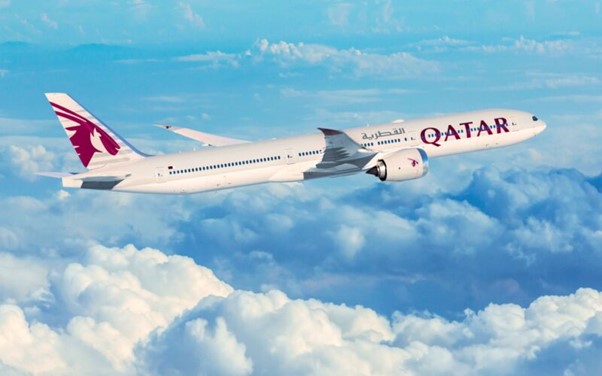 Qatar Airways Completes Australia Comeback With Canberra Return
 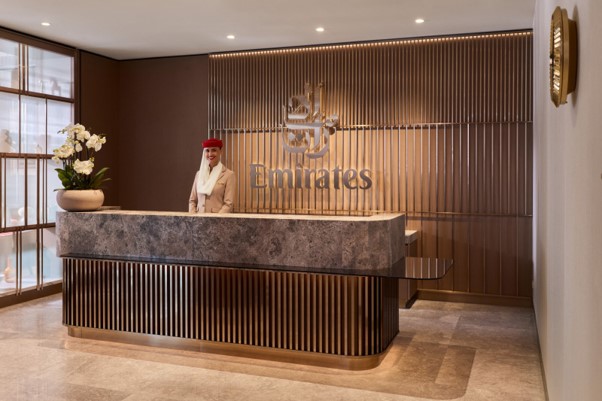 Inside Emirates’ Next-Gen Luxury Airport Lounge Experience
 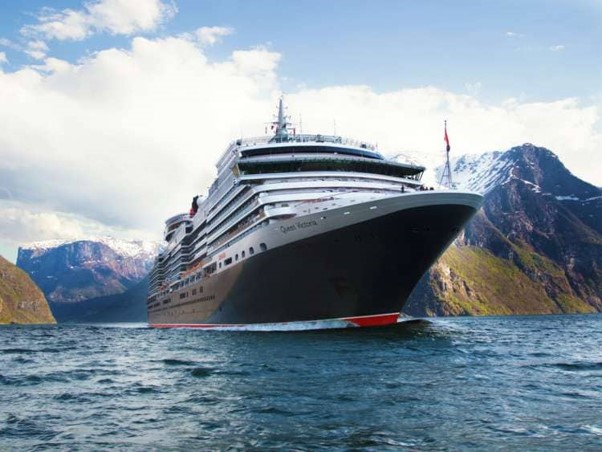 Cunard’s Queen Victoria Gets a Fresh New Chapter at Sea
 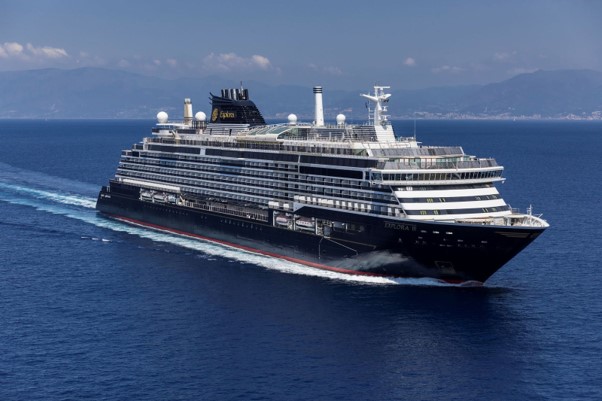 Explora III Ushers In A New Era Of Ultra-Elegant Sea Travel
  Exclusive Private Bungalow Escape at Ceylon Tea Trails
 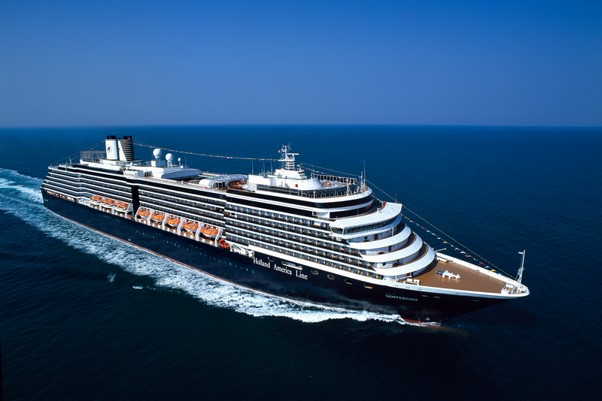 Holland America Turns Oosterdam Into a Rock-Show Stage