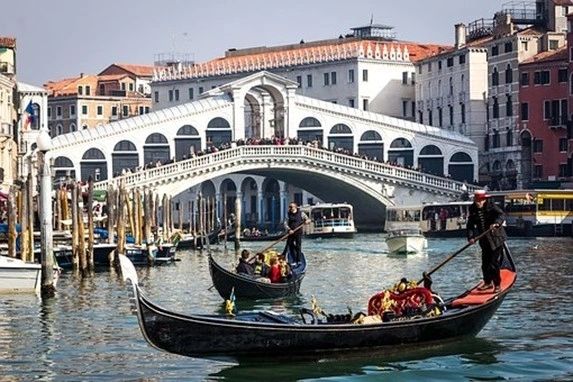
According to the Italian newspaper La Stampa, Venice plans to charge visitors for admission and set quotas beginning in the summer of 2022.
According to the newspaper, the Italian city, which is one of the world’s top tourist destinations, will also require prospective visitors to reserve access in advance. Turnstiles will be installed at the main entrances to the city’s historic centre.
Measures to control tourist inflows had been debated for years before the pandemic effectively halted arrivals in 2020.
With travel slowly resuming this year, the restrictions are back on the table as global tourism hotspots try to limit mass arrivals while improving the quality of the experience for both visitors and residents.
Last month, Italy banned large cruise ships from the Venice lagoon to protect the site from over-tourism, in what could be just the beginning of a push to reinvent and regulate mass tourism.
According to La Stampa, depending on the season and the number of tourists expected on that day, admission to Venice could cost anywhere from €3 to €10.
Locals, relatives of residents, and tourists who have booked in a Venice hotel will be among those exempts from the entry fee.
Charging visitors remains controversial. City councillor Marco Gasparinetti said it will turn Venice into a “theme park,” according to the newspaper, and proposes to restrict access only to particularly crowded areas, like San Marco square.
By Joe Cusmano

 Qatar Airways Relaunches Daily Nonstop Service to Venice
 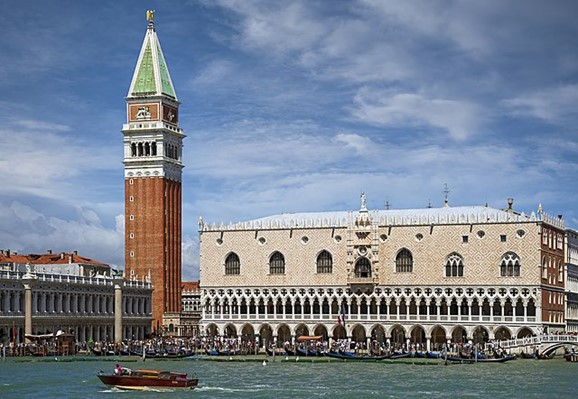 Venice Introduces Entry Fee for Day-Trippers to Combat Overtourism
 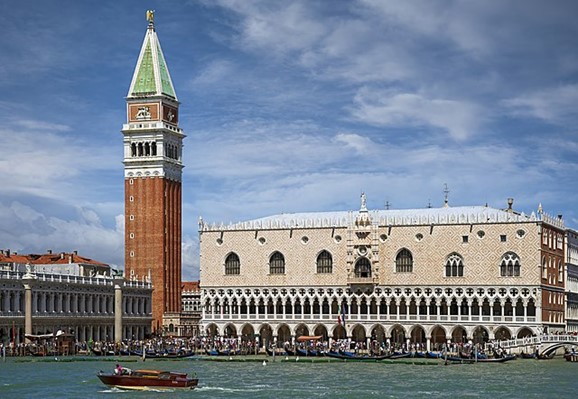 Venice Will Charge Tourists Who Just Plan One Day Visit
  Australia’s Travel Volume Is Still Down Compared To 2019
  September Passenger Demand Remains High
  Australia to Europe: The Most Notable Airline Routes (And How To Book Around the Chaos)
  AmaWaterways Christens AmaSofia on the Rhine: New River Ship Debuts Fresh Branding and 2026 Itineraries
  Royal Beach Club Lelepa & 2027–28 Australia Cruises: More Island Time with Royal Caribbean from Sydney and Brisbane
  Luxury for the Rest of Us: How “New Luxury” Travel Is Rewriting the Rules of Who Gets to Indulge