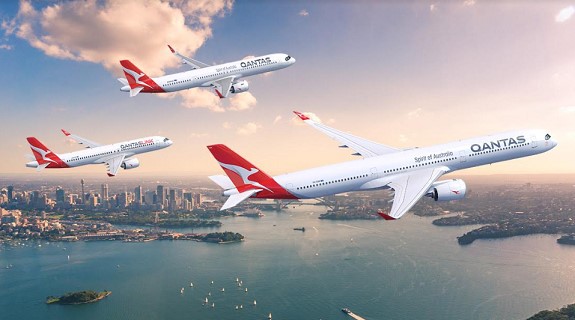
Photo: Courtesy Qantas
In response to an investigation by former ACCC head Allan Fels, Qantas has once again rejected allegations of price gouging.
The ACTU-commissioned study slammed Qantas as “Qantas dominates the duopoly in the aviation sector in Australia and there is price gouging by Qantas” and demanded the elimination of “unnecessary restrictions on competition” in domestic and international aviation.
Fels stated that the Qantas price hikes in the three months leading up to December 2022 significantly boosted the ‘holiday travel and accommodation’ component of inflation, which might have accounted for as much as 25% of the rise in that quarter as reported in the ABS CPI measure.
Although Virgin may have had a role, Qantas’s rapidly increasing tickets accounted for a fifth of that month’s increase.
In response to the research, Qantas and Jetstar issued a joint statement stating their “appreciation of the importance of affordable air travel” and referencing BITRE statistics showing average prices had declined from their high in December 2022.
“The brief increase in prices after COVID mirrored limitations in our ability to fortify operations after the difficult industry restart once borders were opened,” explained Qantas.
The timing of these cuts could have been better, leading to a spike in demand and higher costs for everyone in the airline industry. Fares went up again as a result of a 60% spike in the price of fuel. Jetstar offered 10 million fares for less than $100 last year, and Qantas provides an average of 17 network-wide promotions each year.
When asked about competition, Qantas called Australia “one of the most liberalised aviation markets in the world.”
Unlike several other jurisdictions, international airlines are open to setting up local operations here.
There may be a lot of players in the home market, but the competition is fierce. With Bonza’s entrance and Regional Express’s expansion into mainline routes, four major jet operators are currently operating.
“With over 50 airlines offering international services from Australia, consumers have a wide choice of options, and the country has Open Skies Agreements with key markets like the US, UK, New Zealand, and China.”
Data provided last month by a federal government competition task force indicated that major route competition could significantly reduce airfares, which is the subject of this research.
The task group found that routes with one carrier had an average airfare of 39.6 cents per km, routes with two carriers an average of 28.2 cents, and routes with three carriers an average of 19.2 cents.
Next year, the government will publish its Aviation White Paper, which will outline policy objectives towards 2050, after conducting a study of the industry.
 United x Chef’s Table: World-Renowned Chefs Elevate United Polaris Inflight Dining With Exclusive New Menus
  How the Middle East Conflict Is Reshaping Global Aviation and Pushing Airfares Higher
  Inside Delta’s New Denver Sky Club: A 13,000‑Square‑Foot Rocky Mountain Retreat at DEN
 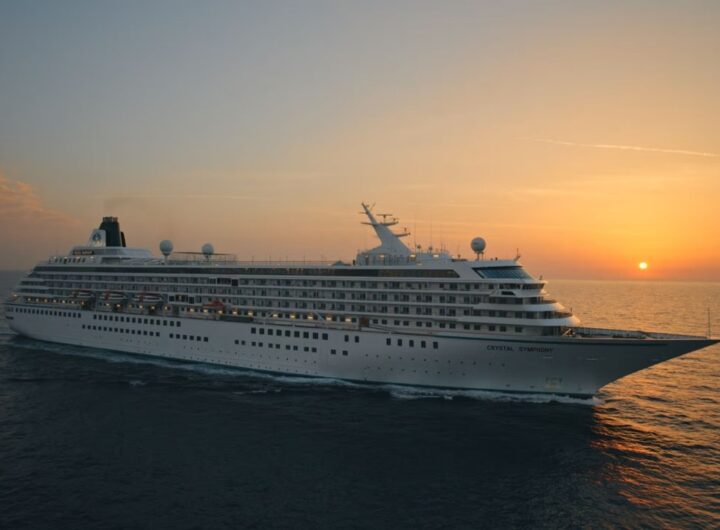 Crystal Symphony’s 2029 World Cruise: Melbourne–New York Epic with First‑Ever Circumnavigation of Australia
 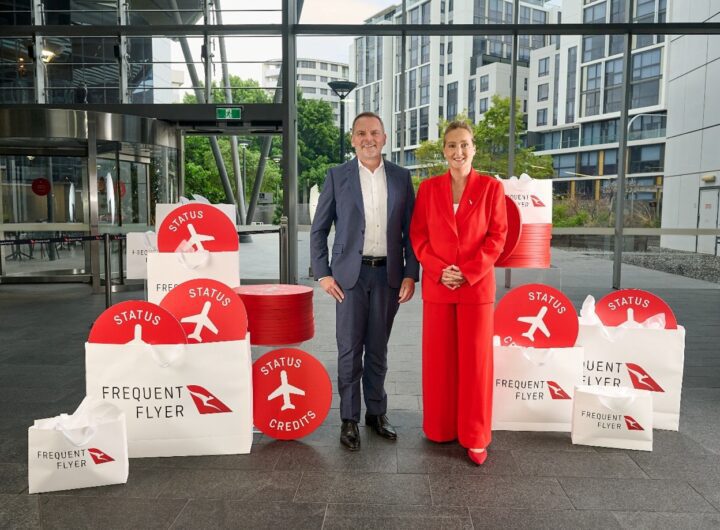 Qantas Frequent Flyer’s “New Era”: How the Status Shake‑Up Changes Your Flying Life
 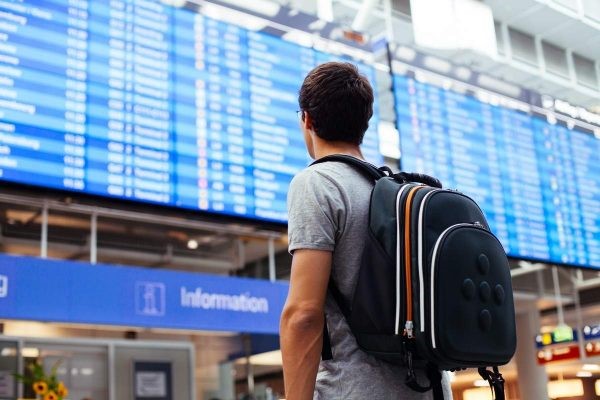 From Gulf Hubs to Long Detours: How Today’s Conflicts Are Changing Australia–Europe Travel
 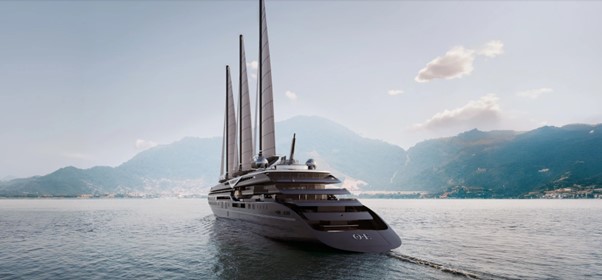 Orient Express Corinthian’s Maiden Voyages Begin May 2026: Ultra-Luxury Mediterranean Sailing Reimagined
 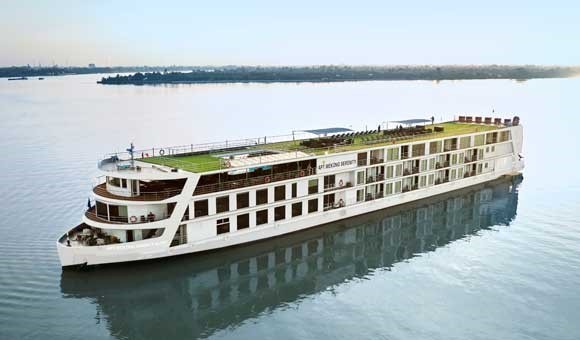 Luxury Mekong River Cruise: Discover Vietnam and Cambodia Aboard Mekong Serenity
  Celebrity River Cruises Redefines Europe’s Rivers With Immersive Storyteller, Skillmaster and Keys to the City Experiences
 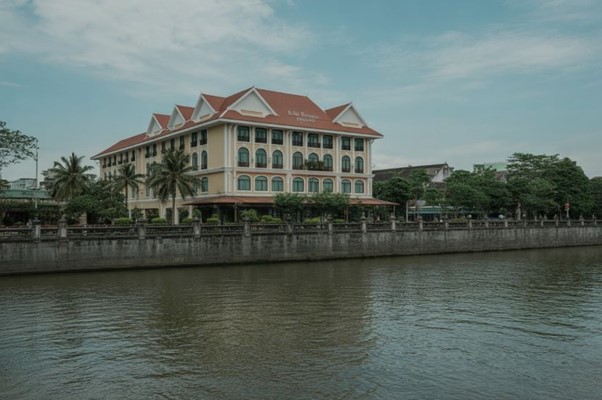 Grand Royal Riverside Hue – Fusion Collection: A Wellness-Led Riverside Retreat in Vietnam’s Imperial City