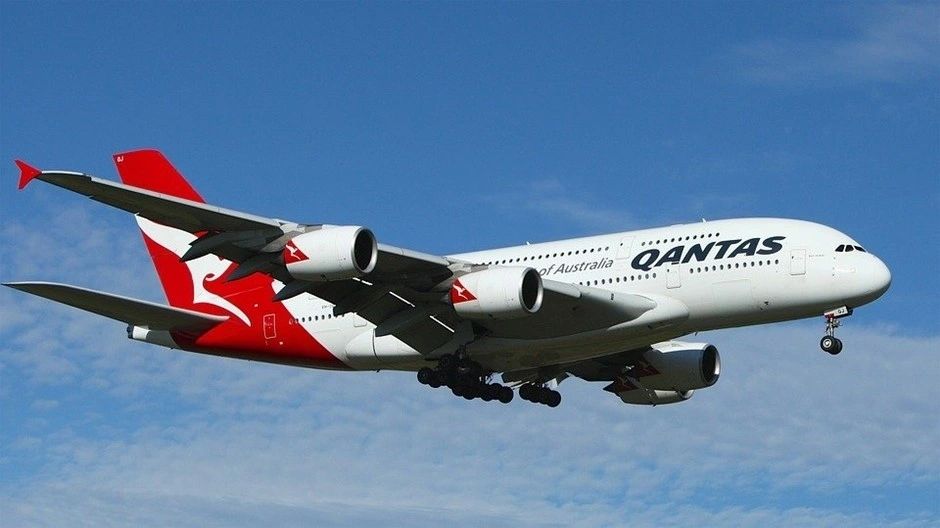
Qantas A380
After being requested to work longer shifts with fewer breaks, the cabin crew at Qantas has voted virtually overwhelmingly in favour of striking.
Strikes lasting up to 24 hours are possible as part of the FAAA’s action, along with limits on overtime and a “withdrawal from boarding responsibilities,” in which employees remain on the plane even while passengers board.
The development might significantly impact Qantas’ plans to increase domestic capacity in response to growing demand. Passengers may experience disruptions, including flight delays or cancellations, as a result.
“Out of touch” management was revealed, according to national secretary Teri O’Toole.
O’Toole stated that “our members have suffered under expired agreements for several years,” adding that they had to deal with stand-downs and the COVID pandemic.
Meanwhile, travel demand has surged, and Qantas is enjoying multibillion-dollar profits. Despite this, Qantas expects its dedicated staff to accept pay freezes and below-inflation raises while seeking significant productivity increases.
Due to the scheduled shift extensions, flight attendants will now work 12 hours per day instead of 9.45 and up to 14 hours when interruptions occur. Rest intervals would be shortened to 10 hours in times of disruption when no substitute staff is available.
Qantas Domestic and Qantas Airways each received two votes, with the former receiving 159 yes votes and the latter receiving 859 yes votes and just 11 negative votes.
Ms. O’Toole has expressed a desire for Qantas management to resume negotiations.
In light of growing customer demand for domestic flights, the airline has significantly increased its half-year profit prediction by an additional $150 million.
As a result of this development, Flying Kangaroo is revising its original profit forecast upward to $1.45 billion.
Qantas made a surprising announcement on Wednesday, saying that consumers were choosing to have their vacations in Australia because of overseas capacity constraints.
According to the company’s latest announcement, “the group’s nett debt is now forecast to reduce to an estimated $2.3 billion and $2.5 billion by 31 December 2022.”
Accelerating revenue inflows as customers book flights on Qantas, Jetstar, and partner airlines into the second half and beyond, as well as deferring approximately $200 million of capital expenditure to the second half, led to this result, which is around $900 million better than expected in the most recent update.
Customers have redeemed around 60% of the Group’s $2 billion travel credits linked to COVID.
“Total credit consumption remains stable at around $70 million per month, and additional measures will be revealed shortly to promote full use of remaining credits over the coming year,” the report said.
Since the airline has very little net debt, it may “explore potential shareholder dividends in February 2023,” the company said.
 United x Chef’s Table: World-Renowned Chefs Elevate United Polaris Inflight Dining With Exclusive New Menus
  How the Middle East Conflict Is Reshaping Global Aviation and Pushing Airfares Higher
  Inside Delta’s New Denver Sky Club: A 13,000‑Square‑Foot Rocky Mountain Retreat at DEN
 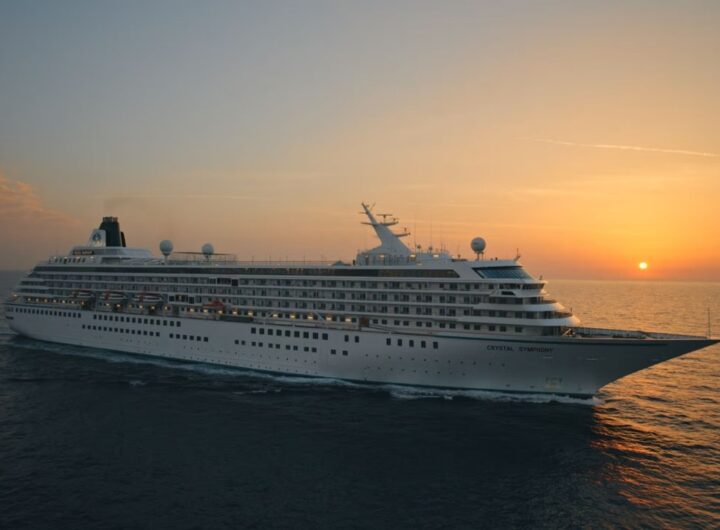 Crystal Symphony’s 2029 World Cruise: Melbourne–New York Epic with First‑Ever Circumnavigation of Australia
 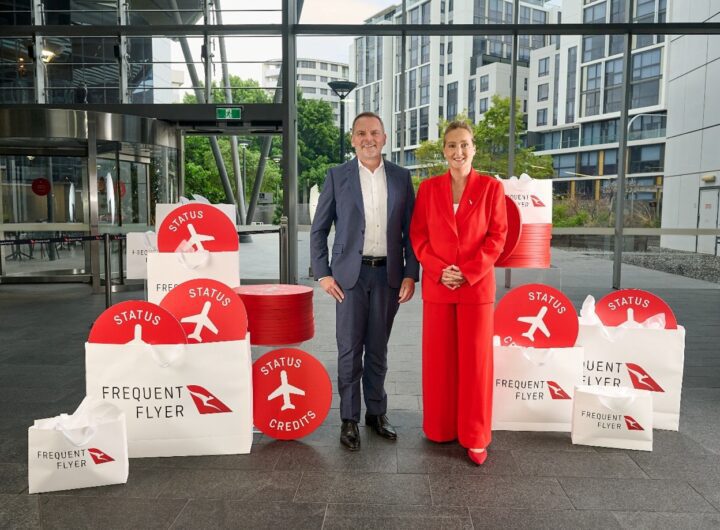 Qantas Frequent Flyer’s “New Era”: How the Status Shake‑Up Changes Your Flying Life
  From Gulf Hubs to Long Detours: How Today’s Conflicts Are Changing Australia–Europe Travel
 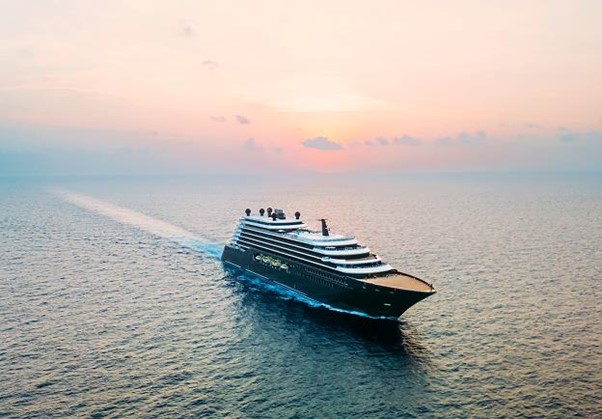 The Ritz-Carlton Yacht Collection Unveils Ultra-Luxury Winter 2027–2028 Voyages Aboard Evrima, Ilma and Luminara
 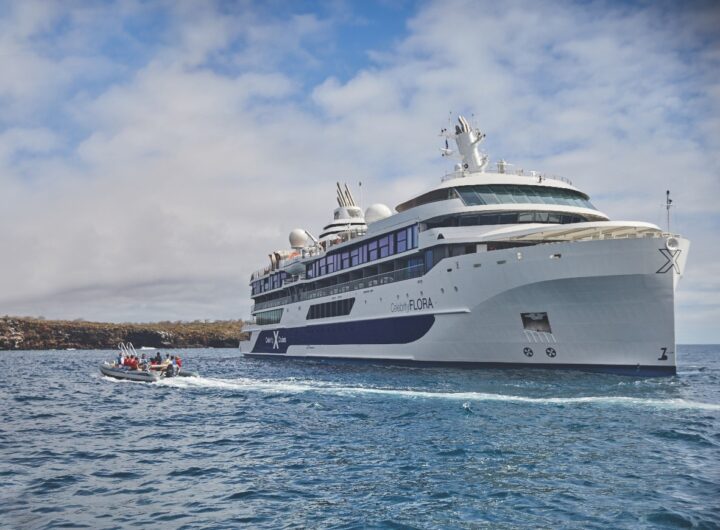 Celebrity Cruises Opens 2028 Galapagos Expeditions on Celebrity Flora: Bucket‑List Small‑Ship Adventures Now on Sale
 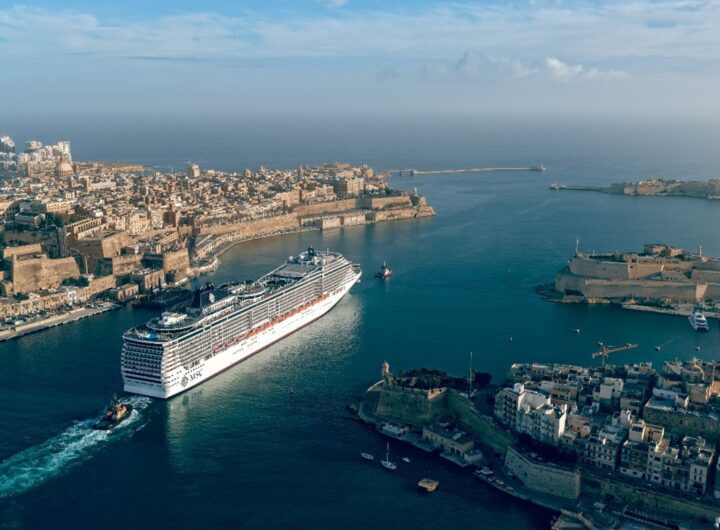 MSC Cruises Elevates MSC Yacht Club Dining With Elegant New Restaurants Across Fantasia-Class Ships
  Jean-Michel Cousteau Resort Fiji Reopens After Multi‑Million‑Dollar Makeover With New Two‑Bedroom Family Bures