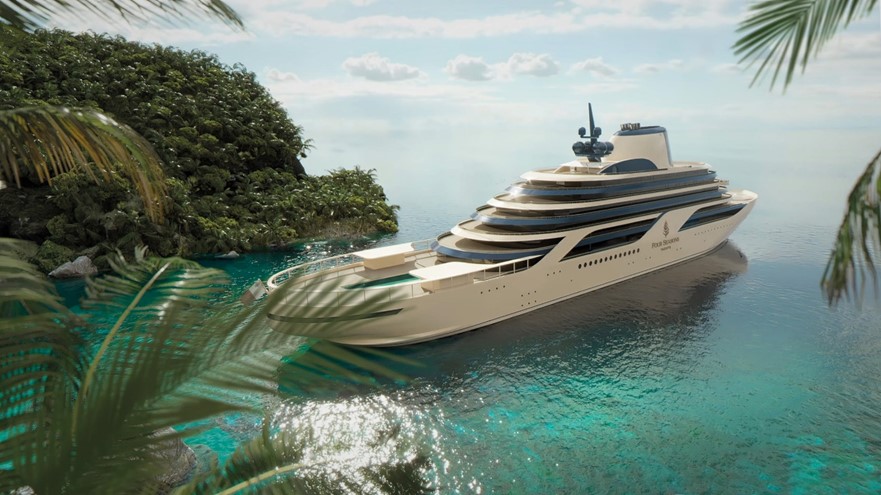
Four Season Yacht – Photo: Four Season
Experts anticipate the value of the global luxury travel market will reach $1.5 billion by 2028, growing at a CAGR of 6.3% between 2018 and 2028.
There is a correlation between luxury travel and unique, one-of-a-kind experiences and bespoke service. Increasing spending by well-off visitors motivated by a desire to see uncharted territory and engage in new activities propels the industry forward. The growing popularity of weekend getaways and the international expansion of the tourism sector has contributed to the sector’s recent growth.
Luxury travel plays a big part in the global distribution of wealth because tourists spend money on local products and services, including art, restaurants, culture, guides, and sporting events. Tourists are looking for customisable itineraries that allow them to mix and match activities like sightseeing and resting to create the perfect trip.
The increasing popularity of cruises, yachts and other small ships attracts many travellers, particularly the affluent. There is a widespread belief that ultra-wealthy consumers make up a sizable chunk of this market’s clientele. Businesses in this field have responded by emphasising cruises and other high-end water-based travel.
The use of the internet for research has also increased tremendously. Demand for high-end hotels and vacations is anticipated to increase throughout the forecast period.
Increased internet and social media access are driving the sector’s growth. There has also been an increase in the number of travelogues published on online media such as Twitter, Facebook, and Instagram, as well as blogs.
It’s safe to say that no sector of the global economy has been immune to the effects of the COVID-19 pandemic. Travel agencies, hotels, tour operators, cruise and airlines have all taken a hit due to the global downturn in the tourist industry.
Nearly everyone on Earth had to change their way of life due to restrictions on their ability to travel, while the remaining people stayed at home out of fear of the virus. This effectively halted the travel and tourism sector.
How we consume has been impacted by the proliferation of social media, much like every other facet of our lives. These innovations have had a substantial effect on businesses, mainly because they have enabled innovative forms of advertising.
Tourism, one of the world’s most active economic sectors, undoubtedly plays a role. It is a common practice for people to discuss their travel experiences with others. People’s choice-making processes have shifted because of social media.
The global pandemic has nearly halted the tourism industry in its tracks. The travel bans and drop in demand that followed the COVID-19 pandemic impacted the tourism industry. Several countries have implemented travel restrictions to kerb the spread of the coronavirus, which has had a significant impact on the tourism industry.
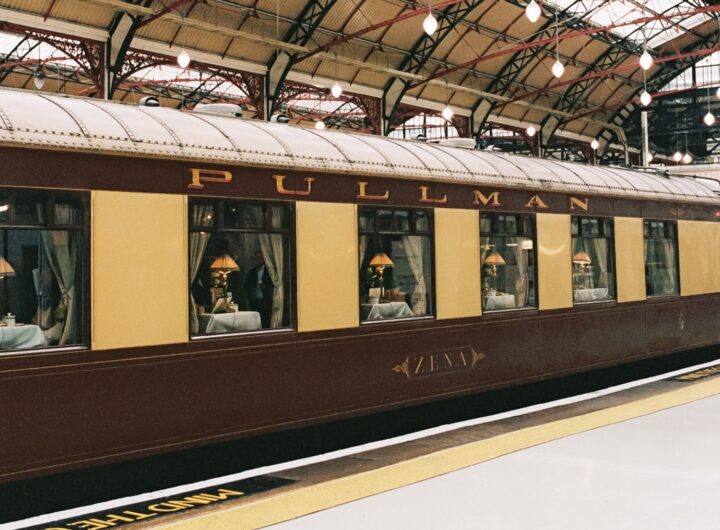 British Pullman Launches Celia: Baz Luhrmann & Catherine Martin’s Cinematic Private Dining Carriage
 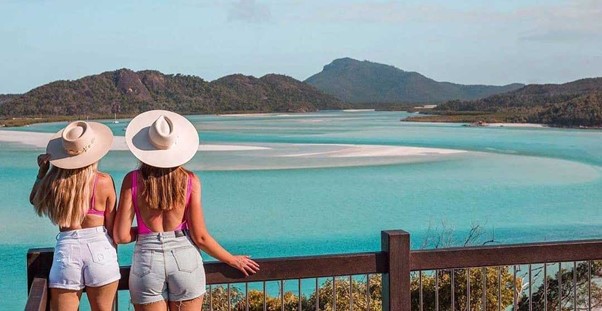 10 Most Beautiful (and Exclusive) Beaches in the World – And How to Reach Them from Australia
  Aman-i-Khás Unveils New Grand Tented Pool Pavilions and Immersive Wilderness Experiences in Ranthambore
 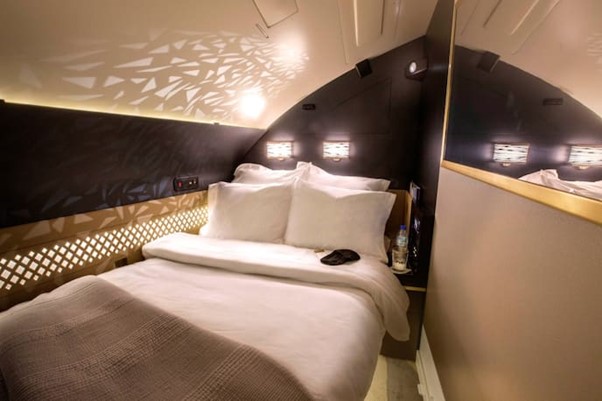 Luxury in the Skies: Inside the World’s Most Extravagant First‑Class Airline Cabins
  Vietnam Golf Coast Tees Up a Landmark 2026: Central Vietnam’s Rise as Asia’s Premier Golf Destination
 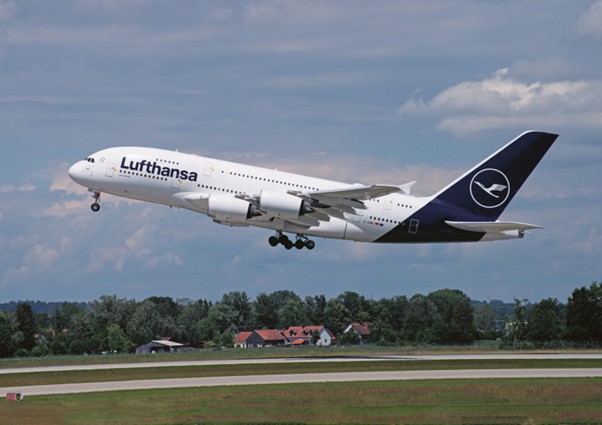 Lufthansa Begins A380 Business Class Retrofit, Elevating Comfort and Privacy Across Its Largest Aircraft
 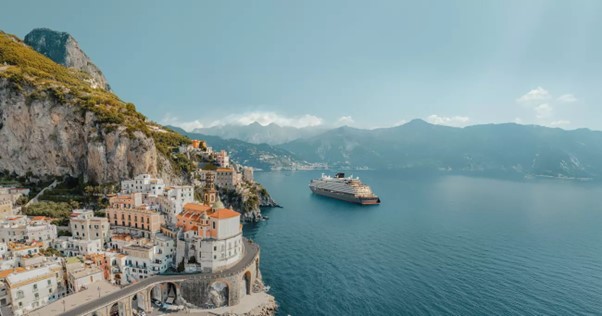 Explora Journeys’ Mediterranean & Western Europe 2026: Luxury Sailings with Up to 30% Savings
 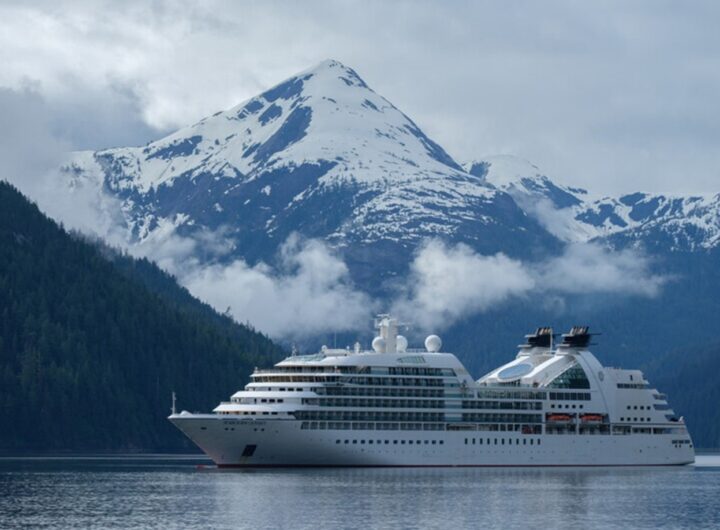 Seabourn’s “Yours to Explore” Event: Free Suite Upgrades and Up to US$1,000 Credit on 500+ 2026 Voyages
 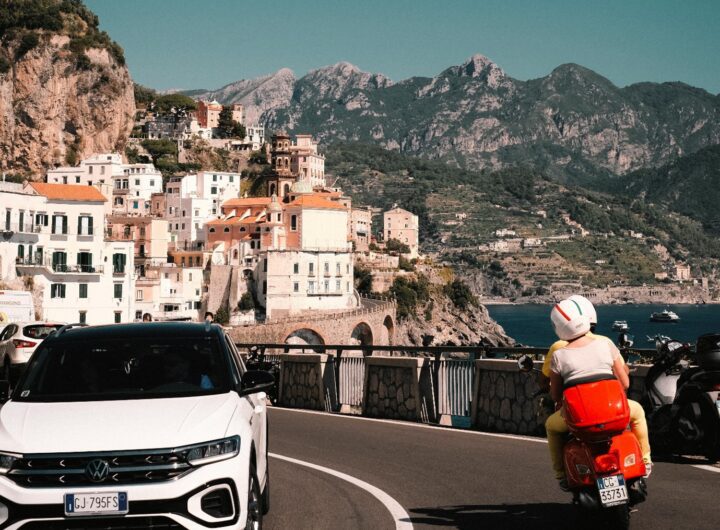 Three Epic Southern Europe Road Trips: Routes, Tips & Stories from the Open Road
 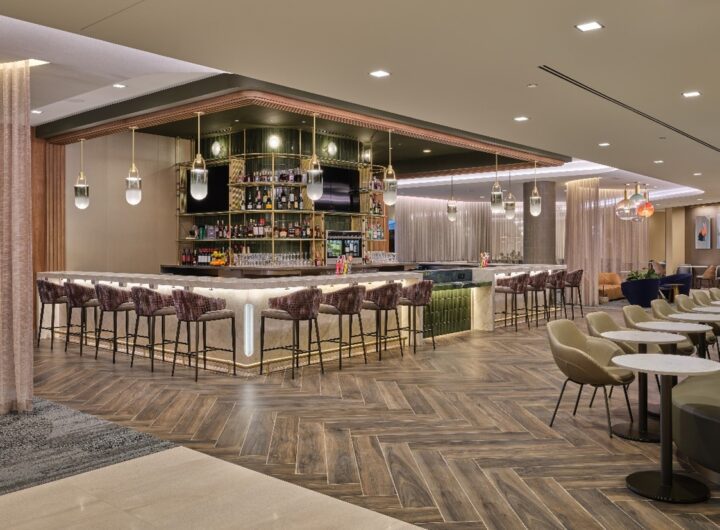 Inside Delta’s New Denver Sky Club: A 13,000‑Square‑Foot Rocky Mountain Retreat at DEN