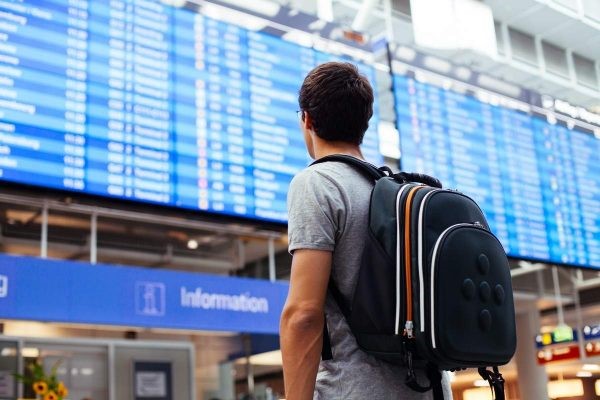
Photo: File
I usually stay in my lane and write about ships, seats and sunsets – not geopolitics. But right now, what’s happening in the Middle East is spilling directly into how, where and even whether Australians can travel. Add that on top of the Ukraine war and the ripple effects on air routes, cruises and major Gulf events are getting too big to ignore. So this isn’t an attempt to analyse the conflict itself – it’s simply my take, as a traveller and travel writer, on how this crisis is reshaping the way we move around the world.
Airspace Closures: When Your Europe Flight Suddenly Has No Sky
For years, the classic Aussie pilgrimage to Europe was simple: Sydney or Melbourne to Dubai, Abu Dhabi or Doha, then onwards to London, Paris, Rome, you name it. The Gulf hubs were our magic portals.
Now? Those portals are wobbling.
Escalation in the Middle East has already led to airspace closures over Iran, Israel and neighbouring states, with surrounding countries like Iraq, Kuwait, Qatar and the UAE partially or temporarily restricting their skies. Australian authorities are blunt: closures around Middle East transit hubs may impact flights globally, with delays and cancellations on routes to and from Europe and beyond.
In recent days we’ve seen:
- Flights to and from Dubai and Abu Dhabi temporarily suspended or heavily disrupted, stranding travellers or forcing last‑minute diversions.
- Aircraft already in the air rerouted mid‑flight to avoid suddenly restricted corridors, adding hours to journeys and forcing unscheduled tech stops.
- Airlines warning that schedules are “fluid” and subject to rapid change as they juggle safety advisories and closed airspace.
For Australian travellers, that means the standard “hop through the Gulf and glide into Europe” is no longer something you can take for granted – at least not in the short term.
Remember Ukraine? That Was the First Big Shock to Flight Paths
We’re not starting from zero here. The Ukraine war already forced airlines to rip up the old map.
When Russia and Ukraine closed their skies to many Western carriers, long‑haul routes had to detour around a huge chunk of airspace. A study found these detours led to planes burning around 13% more fuel on average, and nearly 15% more on Europe–Asia routes, adding up to several extra hours on some flights.
For Aussies, that translated into:
- Longer flight times between Europe and Asia, especially on northern routings.
- Higher operational costs for airlines, quietly feeding into higher fares.
- Fewer of those neat “shorter polar” or Central Asia routings some carriers preferred pre‑2022.
Now layer the Middle East airspace closures on top, and you’ve got a global jigsaw puzzle where the pieces keep moving. Routes that once cut cleanly across the Middle East from Europe to South Asia are being forced to swing wide, sometimes via Africa or deeper into Central Asia, adding distance, fuel, cost – and delay.
For Australians heading to Europe in 2026, that could mean:
- More routings via Singapore, Bangkok, Hong Kong or Tokyo instead of the Gulf – especially if Middle East hubs remain unstable.
- Longer total journey times, even if you’re not going anywhere near the conflict on your map.
- Less choice of flight times and routings, as airlines consolidate around safer, more predictable corridors.
This is the un‑sexy side of global events: you still get to Rome in the end, but the path is more zigzag than straight line – and you’re more likely to spend quality time with an airport floor somewhere along the way.
Cruises: Red Sea Dreams on Pause
It’s not just the skies. The sea lanes are feeling it too – and have been for a while.
Even before this latest escalation, cruise lines were already pulling back from the Red Sea and adjacent routes because of missile and drone attacks on shipping, particularly by Houthi forces in Yemen.
We’ve seen:
- Major operators like Carnival Corporation rerouting or cancelling itineraries for multiple ships that were meant to transit the Red Sea, citing safety concerns.
- Lines such as MSC and others cancelling or reshaping Dubai and Jeddah‑linked cruises in late 2024 and early 2025 as regional tensions spiked.
For Australian cruisers who love those grand repositioning voyages – the ones that go from Europe through the Suez Canal and Red Sea, then eventually down towards Asia or even Australia – this has very real consequences:
- Sailings that once threaded the Suez–Red Sea–Gulf axis now divert around the Cape of Good Hope, adding considerable days at sea and skipping ports entirely.
- Some itineraries are being quietly replaced or re‑sold as “modified routes”, with Middle East ports swapped out for Mediterranean or African ports.
- A portion are simply cancelled, with passengers offered refunds or future cruise credits.
If the current Middle East conflict drags on or escalates, expect cruise lines to:
- Cut back even further on Gulf, Red Sea and Suez Canal deployments.
- Delay or downsize planned winter seasons based out of Dubai, Doha or Abu Dhabi.
- Focus more heavily on “safe bet” regions like the Med, Northern Europe, Caribbean and Asia for 2026–27.
As someone who loves complex, multi‑region itineraries, this honestly makes me a bit sad. Those “follow the spice route” or “ancient trade routes” cruises that knit the Med, Middle East and Indian Ocean together are some of the most interesting on earth. They’re also the first to disappear when risk goes up.
Gulf 2026: Major Events Under a Cloud
The Gulf region has spent the last decade turning itself into a magnet for big events – think F1 races, mega‑concerts, expos, new luxury hotels and cruise terminals opening like confetti. For 2026, there’s a full calendar of:
- Conferences, trade shows and expos targeting tourism, aviation and tech.
- Sporting events and tournaments hosted across the UAE, Qatar and Saudi Arabia.
- An ongoing push to position cities like Dubai, Doha and Riyadh as must‑visit stopover and business hubs.
All of that relies on one simple assumption:
People can get there easily, safely, and without wondering if their flight will make it over the border.
Right now, governments and industry bodies are openly warning that airspace closures around key hubs could create prolonged disruption to global travel. If that continues, or if security perceptions around the region sour further, 2026 could see:
- Lower international attendance at Gulf‑hosted events is affecting everything from hotel occupancy to local tourism revenue.
- A hit to MICE business (Meetings, Incentives, Conferences, Exhibitions) as companies quietly shift events back to Europe or Asia‑Pacific, where risk feels easier to assess.
- Knock‑on effects for airlines and cruise lines banking on Gulf‑centric growth.
For Australians, who’ve embraced Dubai and Doha as convenient and fun stopovers on the way to Europe, that means a harder decision:
Do you still plan a few days in the Gulf, trusting the situation will settle? Or do you route elsewhere and avoid the stress? There’s no one right answer – but it’s a question that simply wasn’t on the table five years ago.
So What Can Australian Travellers Do?
A few thoughts from both head and heart:
1. Check Advice, Then Check It Again
- Keep an eye on Smartraveller updates about the Middle East conflict and airspace impacts – they’re explicitly warning that the situation is unpredictable and could worsen with little warning.
- If you’re transiting via the Gulf, monitor your airline’s alerts closely in the days before departure. Schedules are changing fast.
2. Build Flexibility into Europe Trips
- Consider routings via Asia or direct European gateways (e.g. via Singapore to London/Frankfurt) if you’re anxious about Gulf hubs.
- Allow extra connection time – tight 90‑minute transits might not be your friend in a world of rolling delays.
3. Read the Fine Print on Insurance
- Make sure your policy covers war‑related disruptions and airspace closures, not just standard delays. Some don’t.
- Check what happens if you decide not to travel due to concern versus an airline or government cancelling the route.
4. Be Realistic About Middle East & Red Sea Cruises
- If you’re booked on a cruise involving the Red Sea, Suez or Gulf, expect changes. Keep in close contact with your cruise line or agent.
- Itineraries may be rerouted or altered for safety reasons at short notice – it’s frustrating, but it’s done to keep ships and passengers out of harm’s way.
A Personal Closing Thought
As someone who lives and breathes travel, I find this all deeply uncomfortable. I’d much rather be telling you about a new rooftop bar in Dubai, a brilliant museum in Doha, or a clever repositioning itinerary that lets you tick off three continents in one voyage.
But the reality, for now, is that wars redraw maps – not just politically, but practically. They steal airspace, sea lanes, events, opportunities and sometimes the simple joy of spontaneously booking a ticket without checking a risk map first.
Will this pass? Yes, in some form, at some point. Aviation and cruising are incredibly resilient; they’ve bounced back from shocks before, and they will again. But in the meantime, it’s okay to feel unsettled, to adapt, to route differently, to delay certain trips and prioritise others.
Travel has always required a little courage and a lot of flexibility. Right now, it also demands awareness. If we can hold all three – courage, flexibility and awareness – we can keep exploring the world while still respecting the very real storms it’s going through.
 Qantas Frequent Flyer’s “New Era”: How the Status Shake‑Up Changes Your Flying Life
 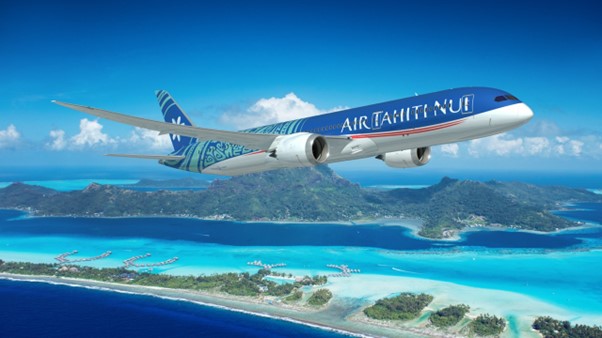 Air Tahiti Nui Launches Non‑Stop Sydney–Tahiti Flights from December 2026
 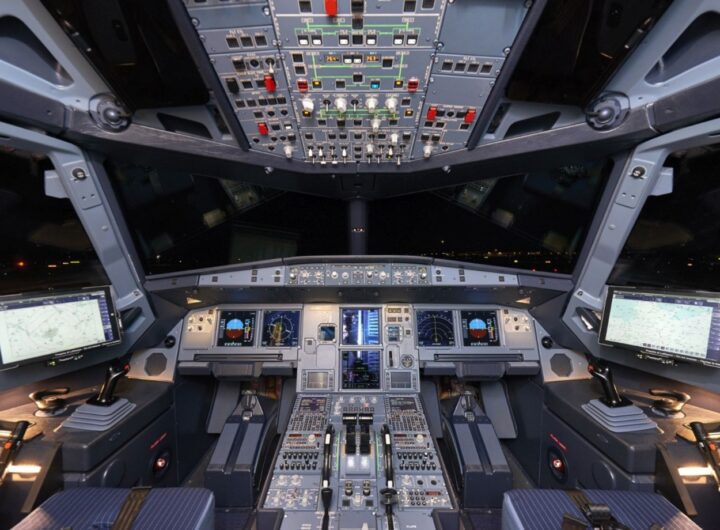 Lufthansa Launches IATA Turbulence Aware: Real-Time Turbulence Data for Safer, Smoother Flights
  Oman Air Launches Direct Muscat-Tashkent Flights June 2026: New Silk Road Connection to Uzbekistan
  “Breaking” Qantas Launches Historic Direct Sydney to Las Vegas Flights: No-Stop US Adventure from December 2026
  Air New Zealand’s Electric Aircraft Trial Marks a Major Step Toward Net Zero Flying
  Viking Doubles Down on Adventure: Two New Expedition Ships, Strong 2025 Results and a Pause on Nile Cruises
  Snowdonia Beyond the Summit: Slow Stays and Slate Landscapes at Plas Weunydd