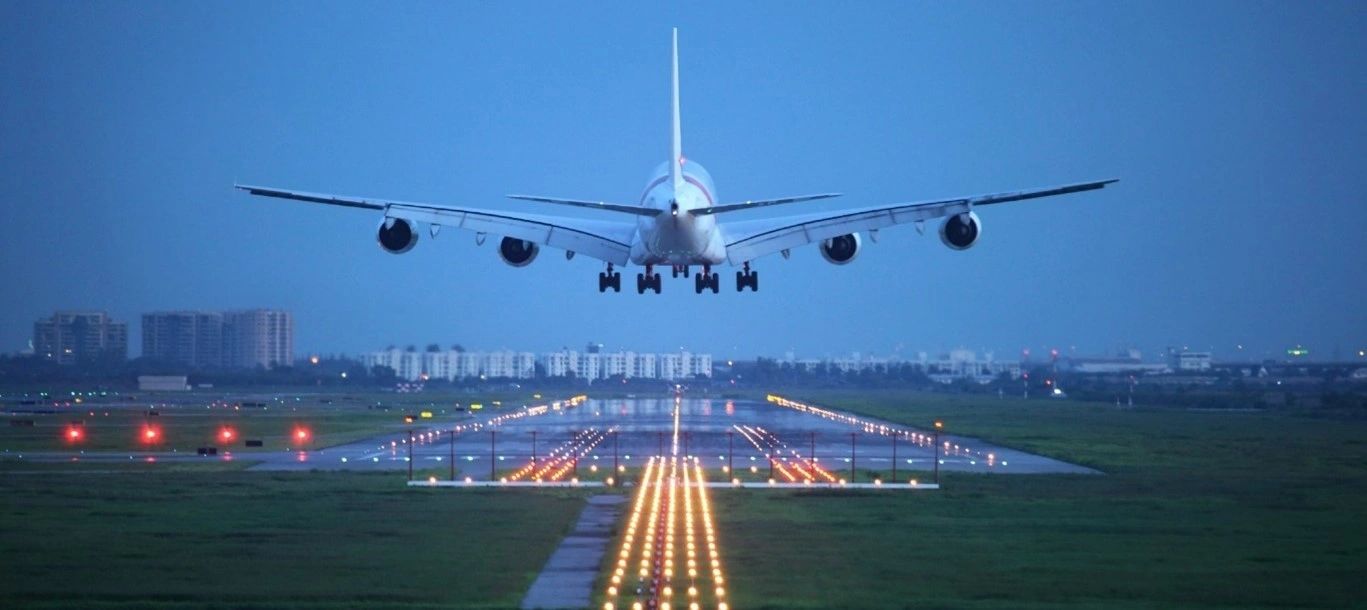
According to the latest Cirium Fleet Forecast published by Ascend by Cirium, the consultancy arm of aviation analytics firm Cirium, approximately 44,500 new planes, costing $2.9 trillion, will be needed to meet the expected rise in passenger traffic over the next two decades.
Released on 24 January 2023, the forecast stated that by 2041, 88% of the world’s commercial passenger aircraft fleet would be retired.
It is expected that about 90% of the present passenger fleet will be taken out of service during the next 20 years. “Analysts estimate that by 2041, about 70 percent of the current fleet will have been retired due to longer useful economic lives of freighters.
“By the end of 2021, the passenger fleet will lose almost 19,000 planes to retirement,” they said. “Another 2,500 planes will exit the passenger fleet via cargo conversion.”
In other words, the aviation industry will require tens of thousands more planes to replace less efficient older-generation jets in order to keep up with the 3.6% yearly rise in demand for air travel.
By 2041, analysts predict that single-aisle aircraft will make up 70% of all passenger jet deliveries.
From now until 2041, narrow-body planes are predicted to make up the bulk of passenger aircraft deliveries at 70%. While this is happening, there will be a sharp decline in the need for jumbo jets.
New aircraft deliveries are expected to continue to increase in Asia-Pacific, with China as the region’s driving force. By 2041, it is projected that the region’s airlines will be responsible for 22% of all deliveries. The expected deliveries should be split between air carriers in North America (21%) and Europe (17%).
According to the forecast, only about 7% of deliveries will be taken by Middle Eastern airlines, but these orders would “account for 14% in value terms due to the rich mix of higher value twin-aisle aircraft.”
It is also expected that approximately 3,650 cargo planes will be delivered during the next two decades. About $130 billion will be spent on brand-new freighters, and another $2.48 billion will be spent to convert passenger planes into cargo planes.
The aviation industry has made significant if uneven, progress towards recovery since the Covid-19 crisis in early 2020. In October of this year, global aviation activity is expected to approach 2019 levels. This is even though Russia’s invasion of Ukraine, China’s travel restrictions, and rising energy prices will all be crucial subjects in 2022,” the forecast said.
 United x Chef’s Table: World-Renowned Chefs Elevate United Polaris Inflight Dining With Exclusive New Menus
  How the Middle East Conflict Is Reshaping Global Aviation and Pushing Airfares Higher
  Inside Delta’s New Denver Sky Club: A 13,000‑Square‑Foot Rocky Mountain Retreat at DEN
  Qantas Frequent Flyer’s “New Era”: How the Status Shake‑Up Changes Your Flying Life
  From Gulf Hubs to Long Detours: How Today’s Conflicts Are Changing Australia–Europe Travel
 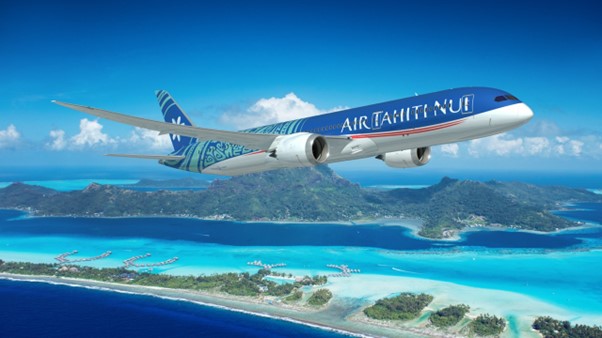 Air Tahiti Nui Launches Non‑Stop Sydney–Tahiti Flights from December 2026
  The Ritz-Carlton Yacht Collection Unveils Ultra-Luxury Winter 2027–2028 Voyages Aboard Evrima, Ilma and Luminara
 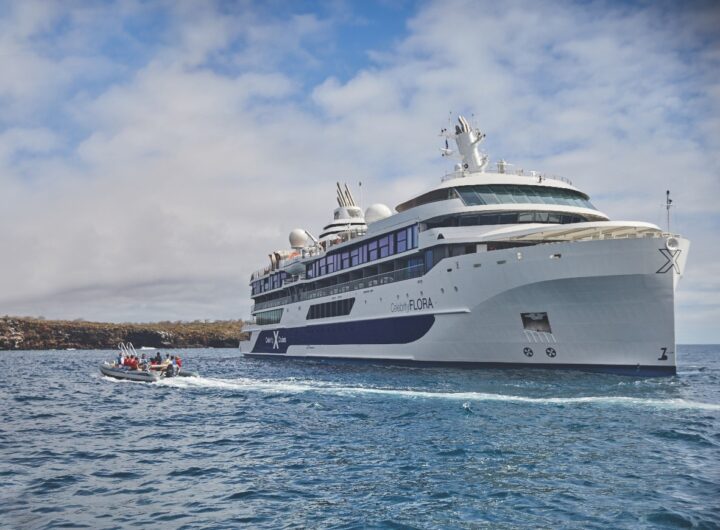 Celebrity Cruises Opens 2028 Galapagos Expeditions on Celebrity Flora: Bucket‑List Small‑Ship Adventures Now on Sale
 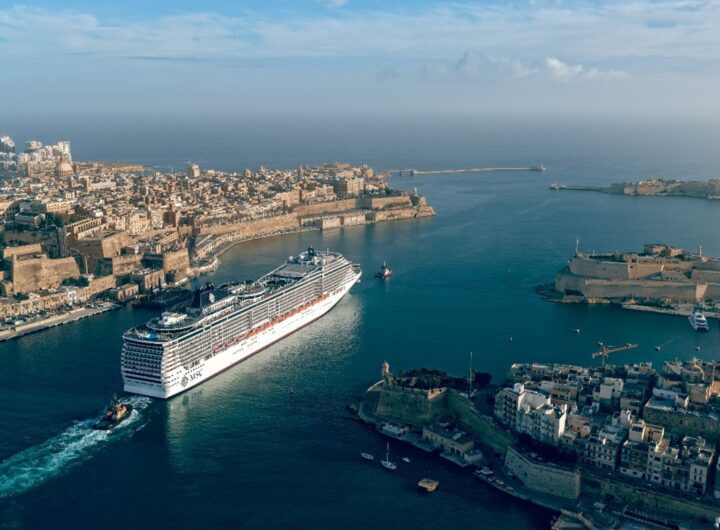 MSC Cruises Elevates MSC Yacht Club Dining With Elegant New Restaurants Across Fantasia-Class Ships
  Jean-Michel Cousteau Resort Fiji Reopens After Multi‑Million‑Dollar Makeover With New Two‑Bedroom Family Bures