
Picture: File
In a remarkable rebound from the turbulence of the COVID-19 pandemic, Australia’s aviation sector has soared back to pre-pandemic passenger and capacity levels, according to the ACCC’s latest Domestic Airline Competition in Australia report.
March 2024 saw significant airlines Jetstar, Qantas, Rex, Virgin Australia, and the struggling Bonza transport 4.9 million domestic passengers, hitting 98.8% of the passenger figures from March 2019. The seating capacity also nearly matched the pre-pandemic numbers, with approximately 6.2 million seats offered.
ACCC Commissioner Anna Brakey heralded this recovery as a return to the industry’s seasonal norms, unseen before the pandemic’s onset. “After four years of instability, the domestic airline industry has returned to more typical seasonal levels,” she stated.
This resurgence has been a boon for consumers, with the significant increase in seat capacity leading to a noticeable drop in airfares on domestic routes. “The increase in airline seat capacity has directly contributed to lower airfares for consumers on domestic routes. We anticipate this trend to persist as the airline industry returns to a more stable market,” Ms. Brakey added.
Despite the overall positive trajectory, the report noted a decrease in average revenue per domestic passenger by 1.4% in nominal terms and 4.8% in real terms compared to March 2023. This dip was attributed to a spike in airfares on specific routes in February, likely spurred by high demand from significant events such as Taylor Swift’s concert tour and a World Wrestling Entertainment event.
However, the skies are not all clear. The potential collapse of low-cost airline Bonza poses a threat to regional connectivity, with the airline’s entry into voluntary administration casting a shadow over its future. Bonza’s unique network of 37 domestic routes, primarily connecting regional hubs, faces an uncertain fate. The suspension of Bonza’s services could significantly disrupt direct connections, particularly at Maroochydore and Coolangatta airports. Stakeholders must be aware of these challenges.
Despite its limited market share, Bonza’s presence hinted at the possibility of increased competition within the concentrated domestic aviation sector. “While Bonza’s impact on competition had been limited to date, its presence represented an opportunity for greater competition to emerge,” Ms. Brakey remarked.
As the industry navigates these challenges, service reliability has shown signs of improvement, albeit it still needs to catch up to long-term averages. The Australian aviation sector’s recovery narrative is one of resilience and adaptation, with the hope that the skies remain open and competitive for the benefit of all travellers.
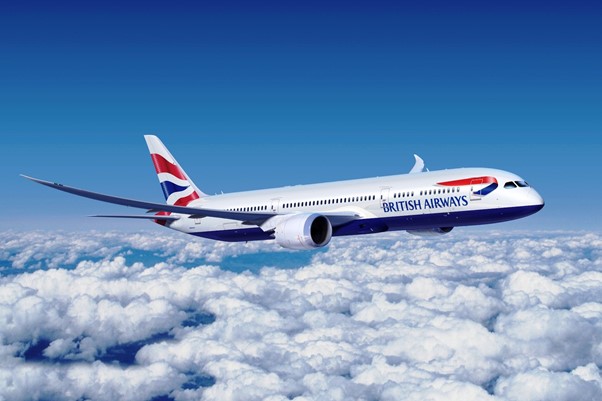 British Airways Returns to Melbourne: New Daily London–Melbourne Flights via Kuala Lumpur on the 787-9 Dreamliner
  World’s Best Airlines 2026: Qatar, Lufthansa, HK Express and Jetstar Lead AirlineRatings’ Global List
  Australia to Europe: The Most Notable Airline Routes (And How To Book Around the Chaos)
  United x Chef’s Table: World-Renowned Chefs Elevate United Polaris Inflight Dining With Exclusive New Menus
  How the Middle East Conflict Is Reshaping Global Aviation and Pushing Airfares Higher
  Inside Delta’s New Denver Sky Club: A 13,000‑Square‑Foot Rocky Mountain Retreat at DEN
  Orient Express Corinthian Completes Sea Trials: World’s Largest Sailing Yacht Nears Launch
  Four Seasons I Christened in Malaga and Sets Sail on Inaugural Grand Mediterranean Voyage
  Arctic Uncovered: Save Up to USD 3,700 on Swan Hellenic’s 2026 Arctic Cruises
  Aurora Expeditions Launches Biggest-Ever European Small-Ship Season – With a Companion Sails Free Offer