The International Air Transport Association is working to set up a testing system that will replace compulsory quarantine to help revive the airline industry that’s been decimated by the coronavirus outbreak.
IATA, which represents about 290 airlines globally, is working with the International Civil Aviation Organization and the World Health Organization to put in place scalable, affordable, and fast testing systems, said Conrad Clifford, IATA’s regional vice president for Asia Pacific.
“We need testing because we need to get rid of quarantines,” Clifford said in an interview on Bloomberg Television Monday. “What we’ve seen so far is if there’s a 14-day quarantine, it’s the same as closing your borders.”
Clifford said IATA would “prefer to see some testing before departure and ideally, if we can find countries with similar levels of Covid risk, much like Singapore and Hong Kong, then that takes away the need for further testing.”
Singapore and Hong Kong agreed last week to open their borders to one another for the first time in almost seven months, exempting people in both cities from compulsory quarantine to help reinstate links between Asia’s two premier financial hubs. Details on the arrangement, which is expected to start within weeks, haven’t yet been publicly laid out.
Tests should ideally cost less than $10, Clifford said.
The risk of passengers getting infected is “very low” as airlines are carrying out deeper sanitizing of planes, and cut back on in-flight catering and magazines, Clifford said. Based on about 44 potential cases of infection on board recorded this year, the chances of passengers getting the virus is about one in 27 million, he said.
The chance of being infected on board is lower than that of being struck by a lightning, Clifford said. “There have been a lot of measures airlines have taken to absolutely drive that chance down to as close to zero as we can get it. So it’s a very safe environment indeed.”
While IATA forecast in June that airlines will lose a combined $84 billion this year because of the virus, that number is set to be larger because the market hasn’t opened as the industry had hoped, Clifford said. The group has said that it expects travel demand won’t recover to the pre-Covid levels until 2024.
Cargo has been “a little bit of a silver lining” for the industry — partly fuelled by online purchasing — and that is set to continue for the coming years, Clifford said. Airfreight is expected to account for about 26% of carriers’ revenue this year, compared with 12% in 2019, he said.
Cargo rates jumped after thousands of passenger planes, which carry more than half of airfreight, were grounded due to the travel restrictions. That prompted airlines to convert passenger planes to haul goods.
Source: Fortune Magazine

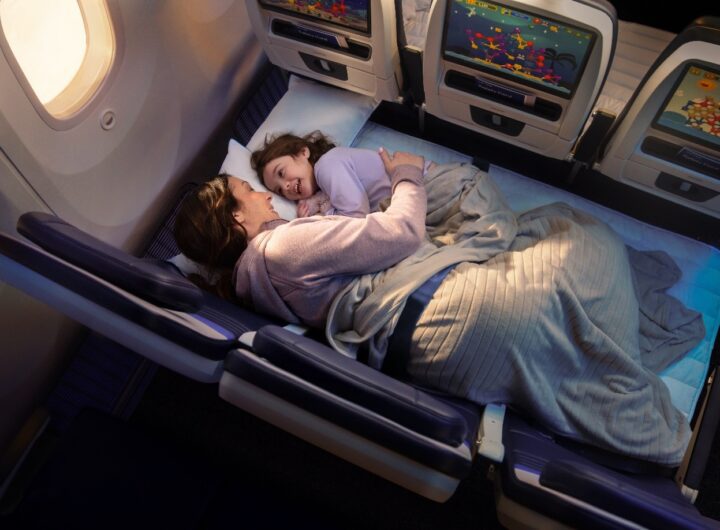 United Airlines Unveils Relax Row: Economy Seats Elevated for Comfort
 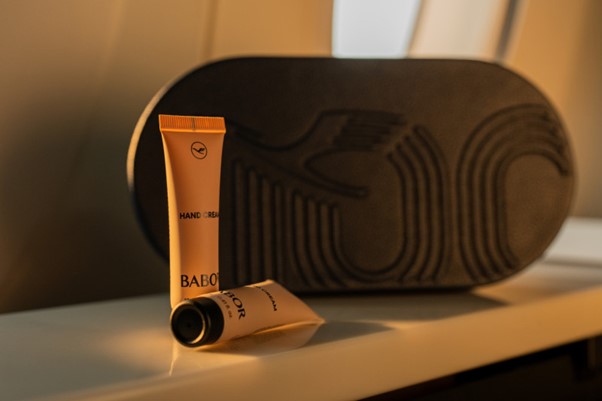 Lufthansa unveils BABOR skincare for First & Business Class
 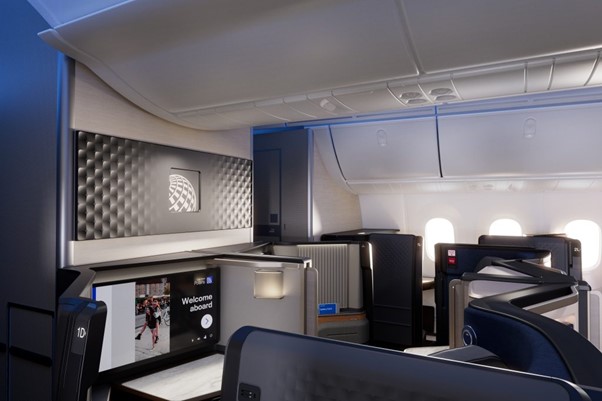 United Opens Bookings for New Polaris Studio Suites on Elevated Boeing 787-9 Dreamliner
 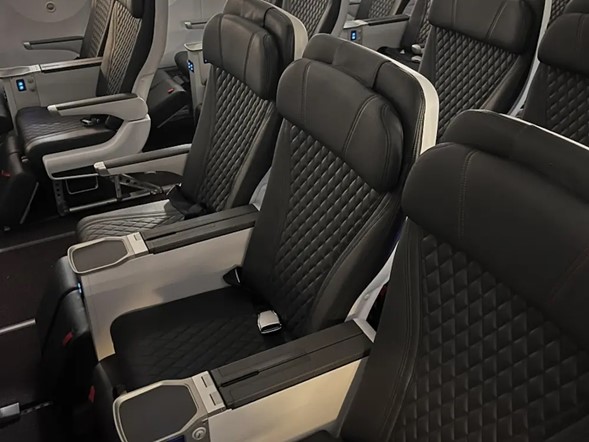 Jetstar BidCash: How to Upgrade to 787 Business Class From Just $180
 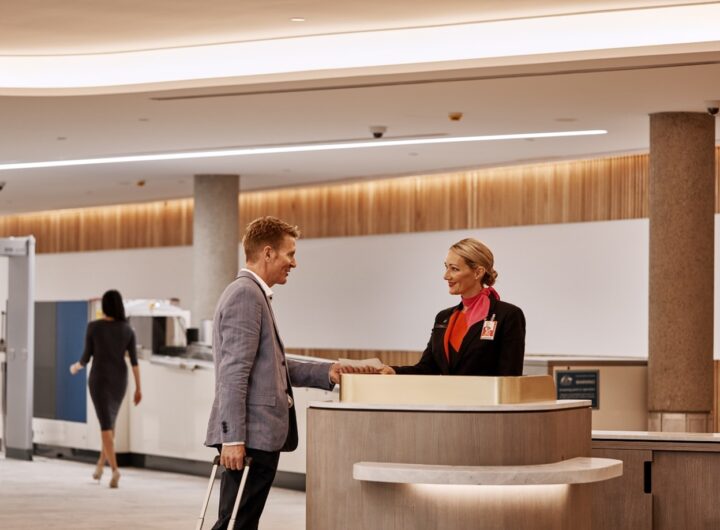 Qantas Tightens Lounge Access for Jetstar Flyers from July 2026: What Frequent Travellers Need to Know
 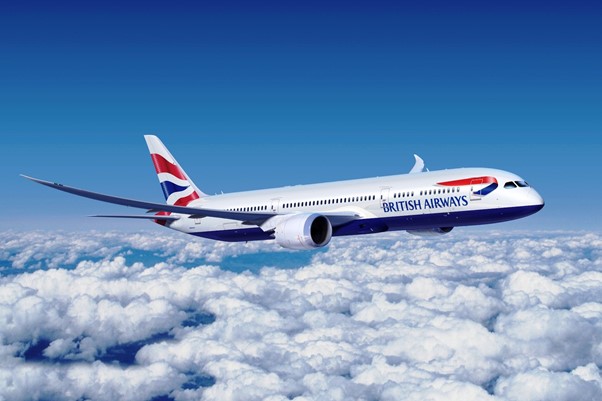 British Airways Returns to Melbourne: New Daily London–Melbourne Flights via Kuala Lumpur on the 787-9 Dreamliner
 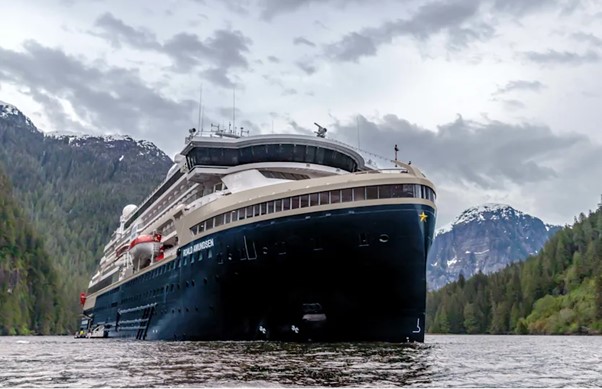 Alaska Cruise & Expedition 2026–2027: Discover “The Magnificent Wild” with HX Expeditions
  Oceanwide Expeditions Confirms Two New Eco Sail Ships For Next Generation Polar Voyages
  Emerald Season Sri Lanka: Resplendent Ceylon’s Luxury Off‑Season Escape
  Adora Flora City China’s New Luxury Mega-Ship for Global Cruisers