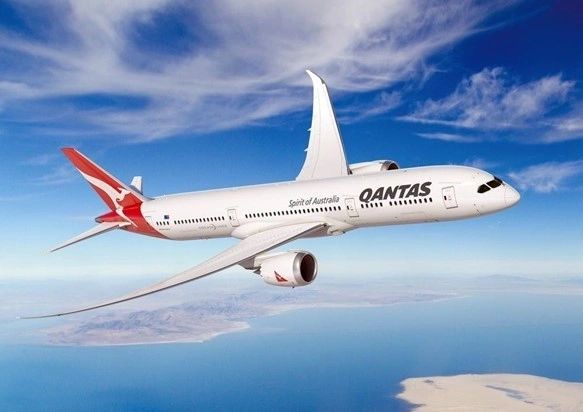
Photo credit: Qantas
A significant reduction in domestic capacity is expected from Qantas as a result of rising fuel prices and a lack of qualified workers in the airline industry.
It will still be operating at 106 per cent of pre-COVID levels in the second quarter and 110 per cent in the third quarter of FY23, even if the decline is significant.
Many employees will receive a $5,000 bonus following a two-year wage freeze, according to the company’s announcement.
Qantas informed the ASX that it would be removing an extra 5% of capacity in July and August, on top of the 10% reduction announced in May.
There will be a 15% drop in total for the month of September as well. There will be a 10 per cent reduction in schedules from October to March 2023.” These price cuts, along with rising demand for international and domestic travel, should allow the company to recoup a large portion of the increased fuel costs indicated by forwards oil prices.
As a result, they will help alleviate some of the immediate constraints on aviation and larger economies’ budgets.
With capacity eliminated from higher-frequency routes, the airline said the impact on passengers would be minor.
“Those affected will be contacted individually with alternatives as near as feasible to their original timing, usually within 1-2 hours,” Qantas stated. In the following days, the remaining changes will be implemented, as many have already been.
Once new enterprise agreements are in place, up to 19,000 employees will receive a $5,000 one-time payment.
Following a lengthy period in which Australia saw some of the lowest fares in its history, new BITRE data from the Department of Transport show that the monthly index price for June is tracking to be 2.6 points higher than May.
However, the increase to 72.8 suggests that prices in the mainstream economy are still much lower than they were before the pandemic when the index was 100. However, this is still the biggest increase in months.
Global aviation fuel prices have risen by 6% in the previous month, according to IATA estimates, and by roughly 130% over the past year, they reveal. Over the past year, prices have risen by 20% throughout Asia and Oceania, the most increase of any region in the world.
Qantas also stated that international capacity would not be reduced.
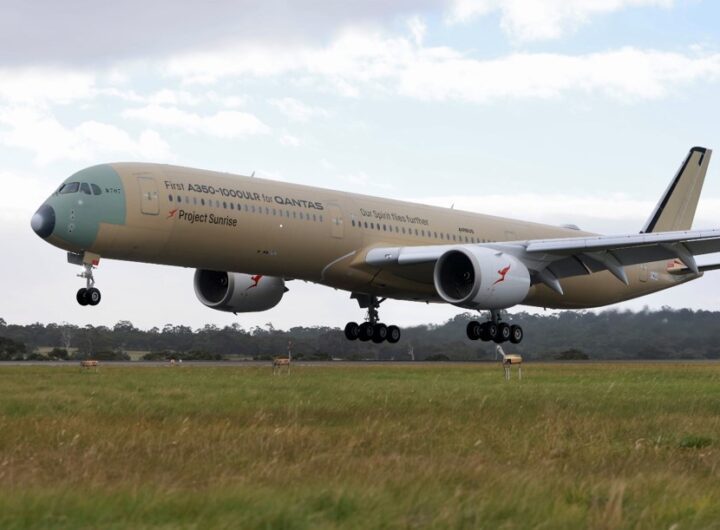 Qantas Project Sunrise Makes History on the Melbourne Runway
 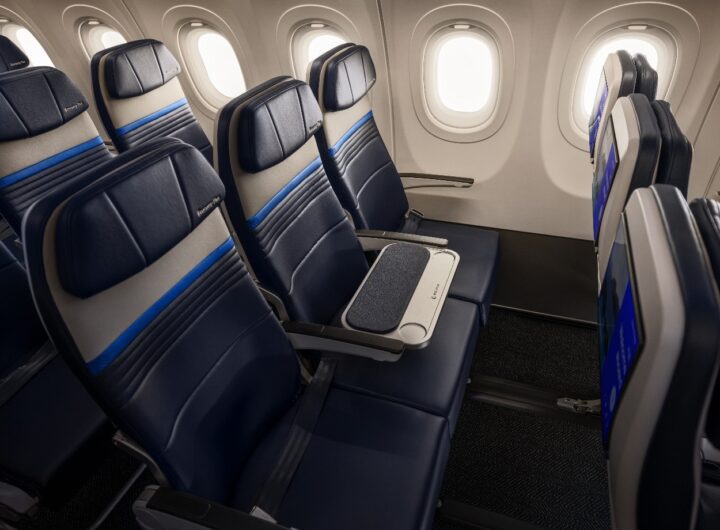 United Economy Plus Redefines Space With Extra Elbow Room
 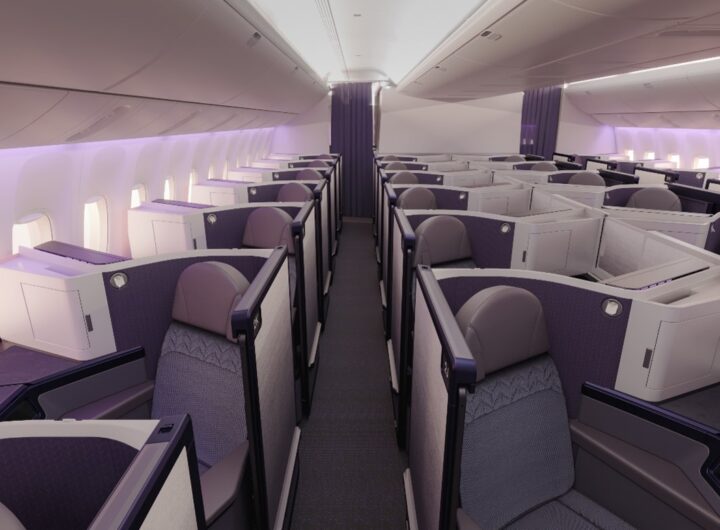 Air New Zealand Reveals New 777 Cabins for Luxury Travel
 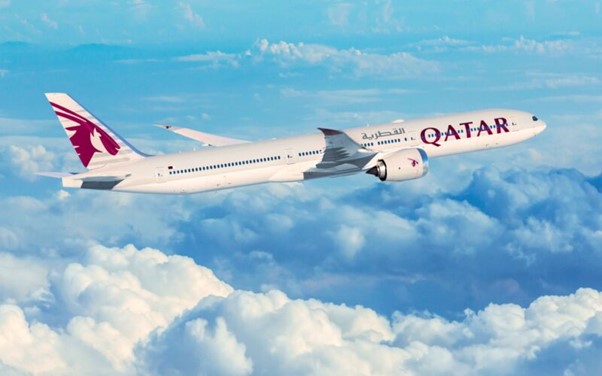 Qatar Airways Completes Australia Comeback With Canberra Return
 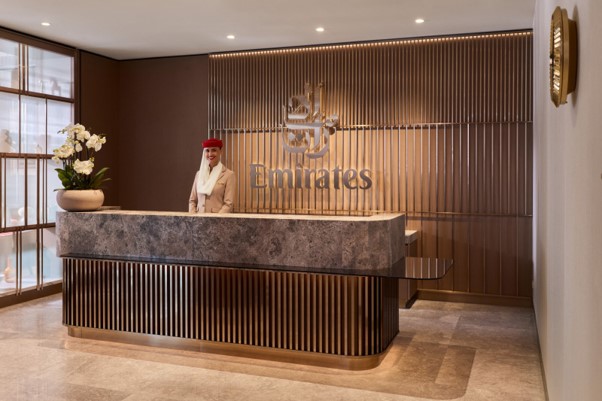 Inside Emirates’ Next-Gen Luxury Airport Lounge Experience
 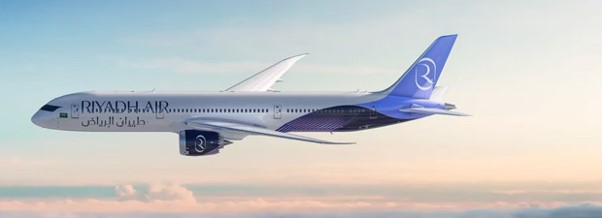 Riyadh Air Expands to Málaga & Kuala Lumpur
  8 Smart Ways Travellers Can Save on Flights
  APT Ostara Christening: Europe’s New Luxury River Icon
  Viking 2030 Oberammergau Voyages Blend Culture and Luxury