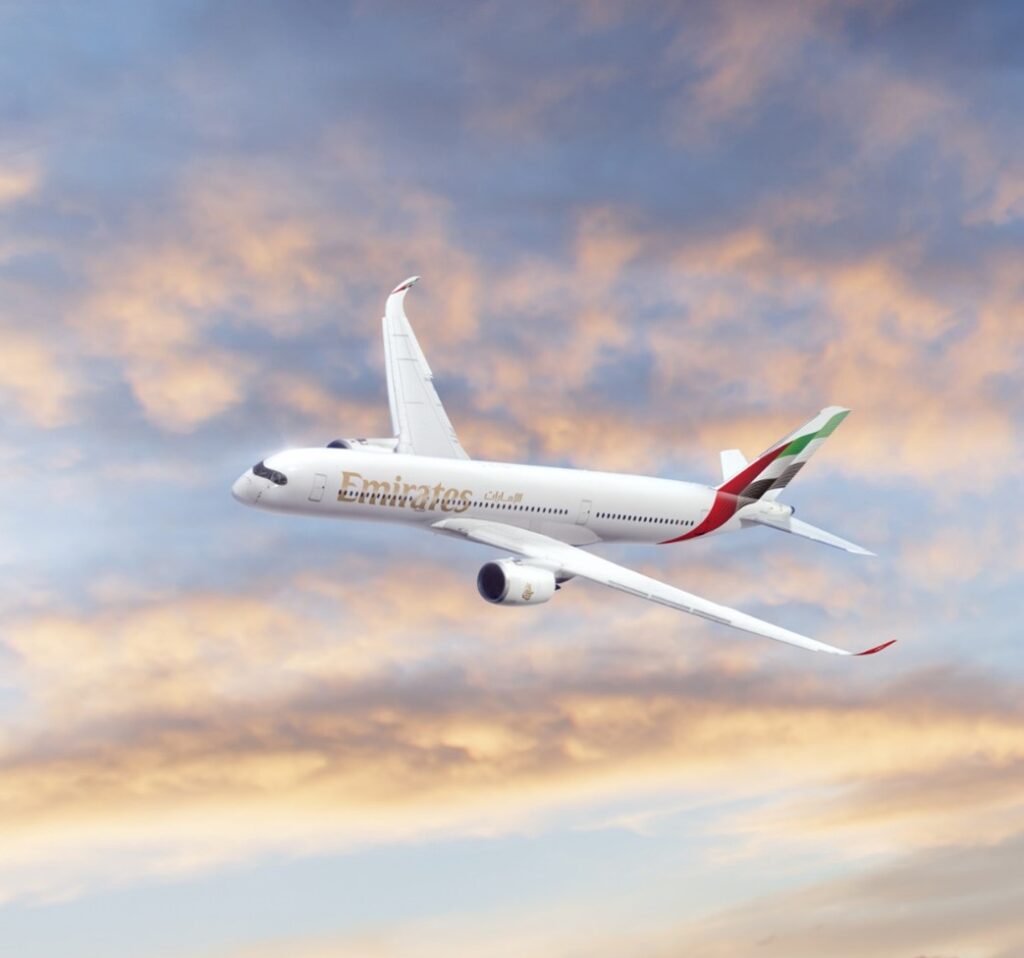
Emirates A350-900 – Render: Emirates
Emirates has implemented a complete ban on using power banks during flights, effective from 1 October 2025. While passengers can still bring one power bank onboard under strict conditions, they’re now prohibited from actually using these devices while in the aircraft cabin—whether to charge personal gadgets or to recharge the power bank itself using the plane’s electrical system.
What’s Changed and Why
The decision comes after a comprehensive safety review highlighting growing concerns about lithium battery incidents across the aviation industry. With more passengers than ever carrying portable charging devices, Emirates is taking proactive steps to reduce potential fire risks associated with power bank malfunctions.
“Safety is one of Emirates’ core values and a cornerstone of all our operations,” the airline states. The new regulations are designed to significantly reduce risks while ensuring that if problems do arise, cabin crew can respond quickly and effectively.
The New Rules in Detail
Under Emirates’ updated policy:
- One power bank per passenger is permitted (under 100 Watt Hours)
- No usage onboard—you can’t charge devices from your power bank or charge the power bank itself
- Accessible storage only—power banks must be stored in seat pockets or bags under the seat (not in overhead bins)
- Capacity information required—all power banks must display their watt-hour rating
- Checked luggage prohibition remains—power banks still can’t go in your checked bags
Why Power Banks Can Be Dangerous
Power banks use lithium-ion or lithium-polymer batteries, which can experience “thermal runaway” if damaged or overcharged—a dangerous chain reaction where the battery generates more heat than it can release, potentially leading to fires, explosions, or toxic gas release. While modern smartphones have built-in safety systems to prevent overcharging, many basic power banks lack these protections, increasing the risk.
What This Means for Travellers
Emirates provides in-seat charging on all aircraft, but the airline still recommends fully charging your devices before longer flights. With power banks essentially becoming “carry-only, don’t-use” items, passengers will need to rely more heavily on Emirates’ onboard charging facilities and plan their device usage accordingly.
Emirates’ Broader Commitment
This policy change reflects Emirates’ ongoing commitment to passenger safety and their willingness to implement stricter measures when industry-wide safety concerns emerge. By ensuring power banks remain easily accessible to cabin crew (rather than stored in overhead bins), the airline can respond quickly to any rare incidents that might occur.
Bottom Line
While the new rules might require some adjustment to your travel routine, they’re designed to keep everyone safer at 35,000 feet. Make sure your devices are fully charged before boarding, take advantage of Emirates’ in-seat power options, and remember—you can bring your power bank, you just can’t use it until you’re back on the ground.
For complete details on Emirates’ updated policies and travel requirements, visit Emirates directly.
 Riyadh Air’s Fleet Boom Signals a New Era in Luxury Flying
 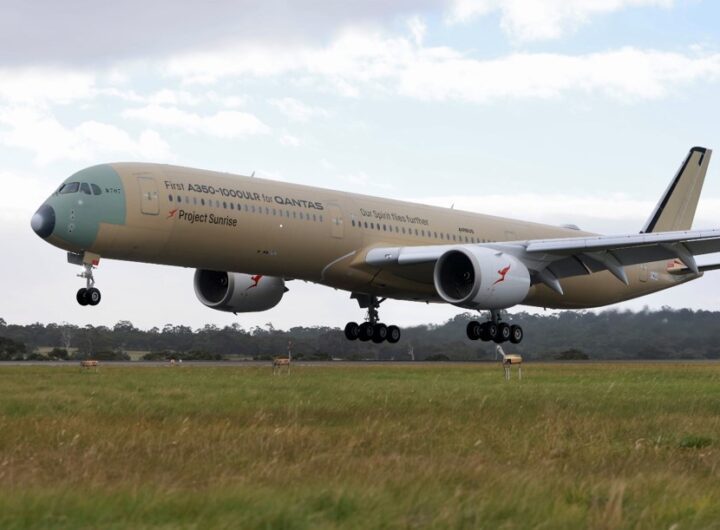 Qantas Project Sunrise Makes History on the Melbourne Runway
 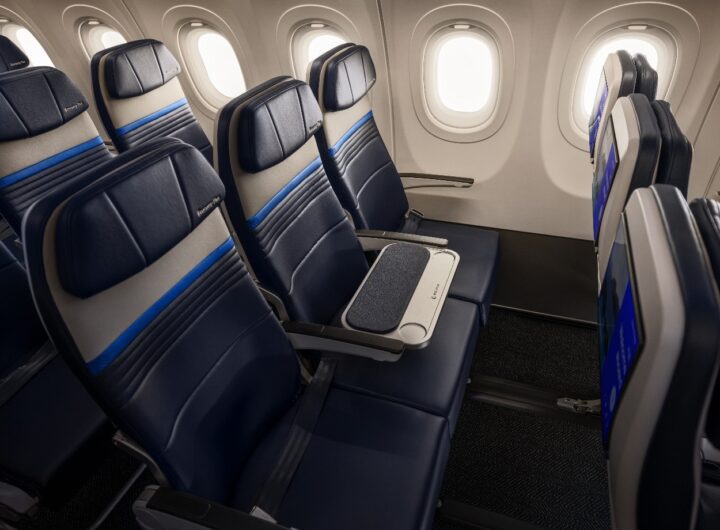 United Economy Plus Redefines Space With Extra Elbow Room
 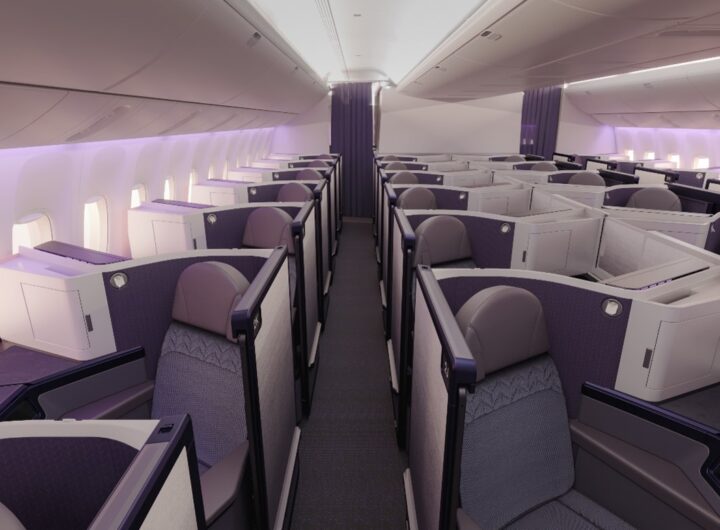 Air New Zealand Reveals New 777 Cabins for Luxury Travel
  Qatar Airways Completes Australia Comeback With Canberra Return
  Inside Emirates’ Next-Gen Luxury Airport Lounge Experience
  Cunard’s Queen Victoria Gets a Fresh New Chapter at Sea
  Explora III Ushers In A New Era Of Ultra-Elegant Sea Travel
  Exclusive Private Bungalow Escape at Ceylon Tea Trails
  Holland America Turns Oosterdam Into a Rock-Show Stage