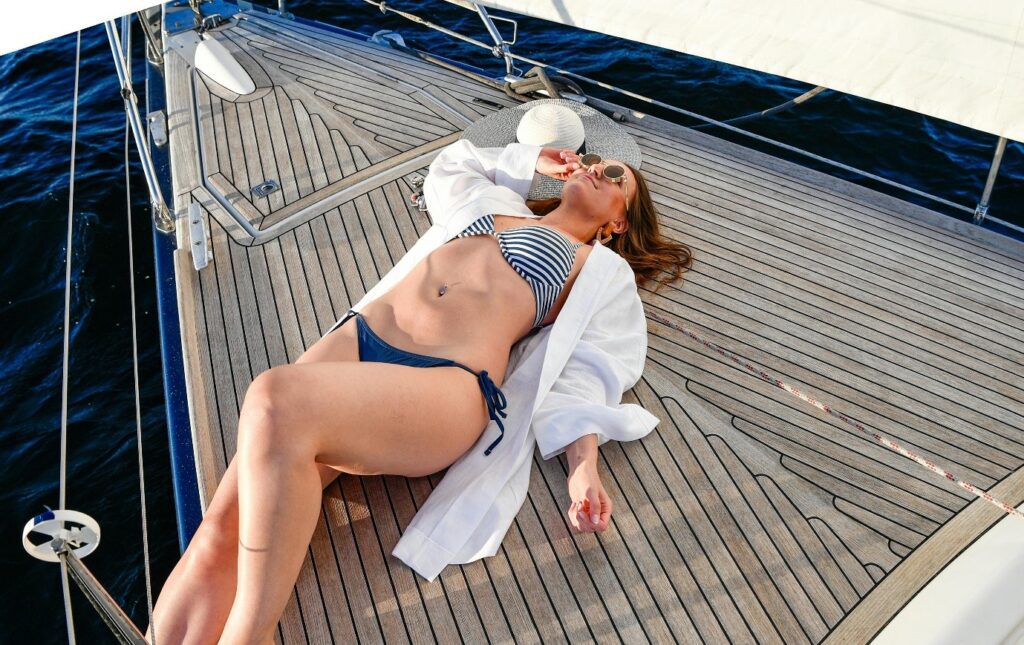
Photo courtesy: Pexels
In a world where many households are tightening their budgets, one travel segment continues to flourish: luxury travel. From Sydney to Singapore and across Europe, high‑end travel brands are reporting record bookings, showing that the appetite for exclusive experiences is stronger than ever.
Luxury Travel Defies Economic Gravity
Despite soaring airfare, hotel rates, and daily expenses, luxury travellers are proving remarkably resilient. According to several industry reports, premium and ultra‑luxury travel bookings have grown steadily since 2023. Australians, in particular, are leading the charge — with destinations like Europe, Japan, and Fiji seeing consistent demand for five‑star stays and private experiences.
What’s driving this? Many affluent travellers view travel as a non‑negotiable investment in wellbeing. After years of pandemic disruptions, experiences now outrank possessions. Whether it’s a private yacht charter in the Whitsundays, a bespoke safari in Kenya, or Michelin‑star dining in Paris, today’s travellers are prioritising memory‑making over material goods.
The New Definition of Luxury
Modern luxury is less about gold‑plated opulence and more about meaningful, personalised adventures. Tailored itineraries, carbon‑neutral flights, wellness‑oriented retreats, and culturally immersive journeys define this evolving market. This shift towards slow travel and sustainability means the luxury sector is aligning with broader lifestyle values — authenticity, exclusivity, and purpose.
Australia’s Rising Influence in the Market
Australia’s luxury travellers are among the world’s most adventurous. They spend significantly more per trip than the global average and are known for their taste in remote, unspoilt destinations, from the Kimberley coast to the Maldives. Luxury tour operators report that bookings from Australian clients remain robust, even as domestic cost‑of‑living pressures mount.
In fact, this has spurred a rise in “quiet luxury” experiences: boutique vineyard retreats, small‑ship expeditions, and high‑end rail journeys like The Ghan. These experiences reflect a sophisticated market focused on authenticity and quality rather than flash and extravagance.
The Takeaway: Luxury Travel Is Evolving, Not Declining
The luxury travel segment’s ongoing growth proves that while financial realities have shifted, people’s desire to explore — with comfort and distinction — remains unstoppable. In uncertain times, luxury travel offers a sense of stability, indulgence, and emotional reward that money simply can’t replace.
A Paradox in Modern Travel
While headlines scream about a cost‑of‑living crisis, the global luxury travel market tells a very different story. Worldwide, high‑end travel is tipped to generate around 1.8 trillion USD in 2026 and is forecast to keep expanding towards the 2–3 trillion USD range by the early 2030s, outpacing many other travel segments. Instead of pulling back, affluent travellers are upgrading their holidays, choosing fewer but better trips, and focusing on experiences that feel genuinely transformative.
Australia’s luxury travel market is also shifting up a gear. Recent forecasts suggest the sector will approach the mid‑50‑billion‑AUD mark in the second half of the 2020s and is on track to reach roughly 100 billion AUD by the early 2030s, supported by a CAGR of around 6–8% from 2026 onwards. This confirms that premium experiences remain in high demand among Australians, even as day‑to‑day living costs rise.
On the outbound side:
- New data shows six in ten Australians plan to travel overseas in 2026, despite cost concerns still being a major barrier for the broader market.
- Within that, high‑end travellers are continuing to “trade up”, taking fewer trips but spending more per journey on business‑class flights, luxury hotels, small‑group tours, and expedition cruising.
On the inbound and regional side:
- Asia Pacific remains the growth engine for luxury travel, with APAC projected to account for almost half of all new high‑net‑worth individuals between 2025 and 2028, underpinning ongoing demand for premium travel.
- A recent report shows 68–72% of high‑net‑worth travellers in the region planning to increase their luxury travel spend in the year ahead, with Australians among the most likely to spend more.
Conclusion
Across global and APAC reports, luxury travellers say they plan to spend more, not less, on high‑end trips over the next 12 months, even as they cut back in other areas. Many are reallocating budget from physical luxury goods into “deep luxury” experiences that emphasise wellbeing, purpose, and connection – from wellness retreats and nature escapes to celebration travel and multi-generational journeys.
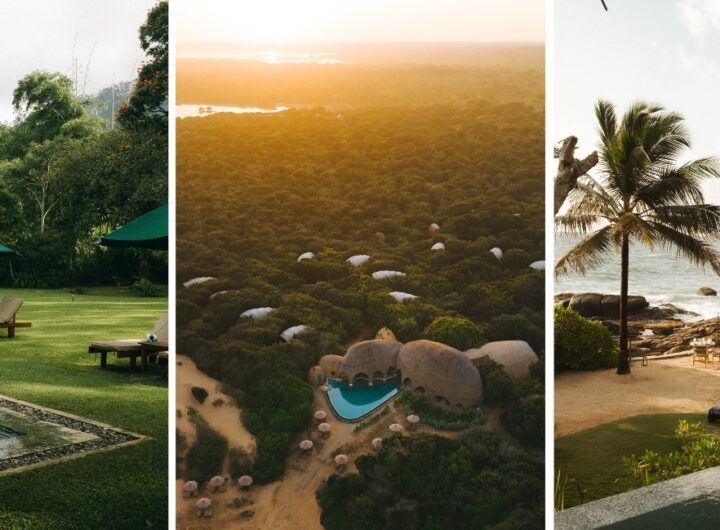 Emerald Season Sri Lanka: Resplendent Ceylon’s Luxury Off‑Season Escape
 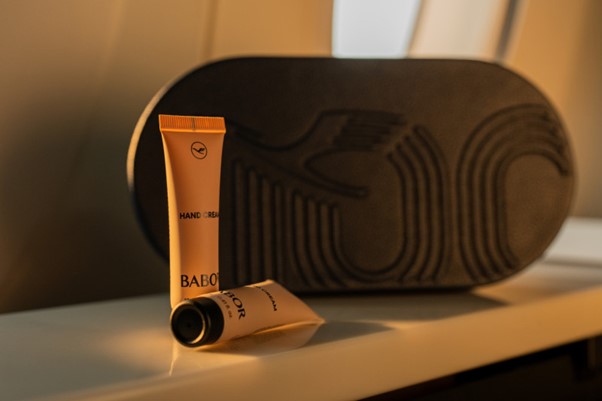 Lufthansa unveils BABOR skincare for First & Business Class
 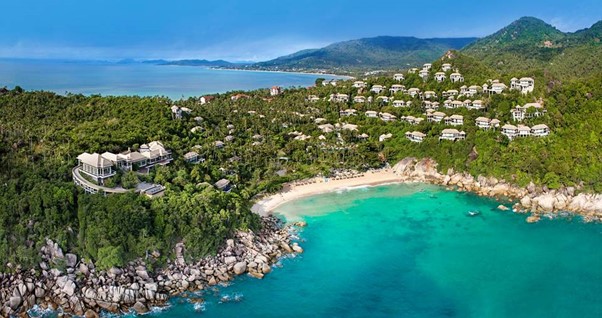 Banyan Tree Samui Crowned Best Spa Resort in Thailand 2026
 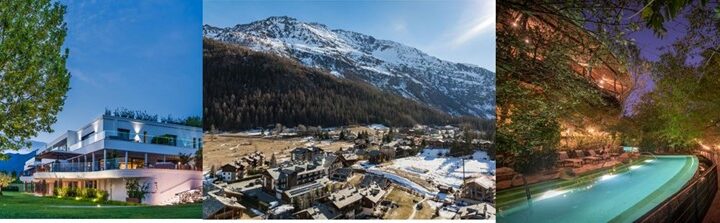 Quiet Luxury Escapes: Wellness-Focused Stays in Costa Rica, Trinidad & Tobago and Hidden-Corner Italy
 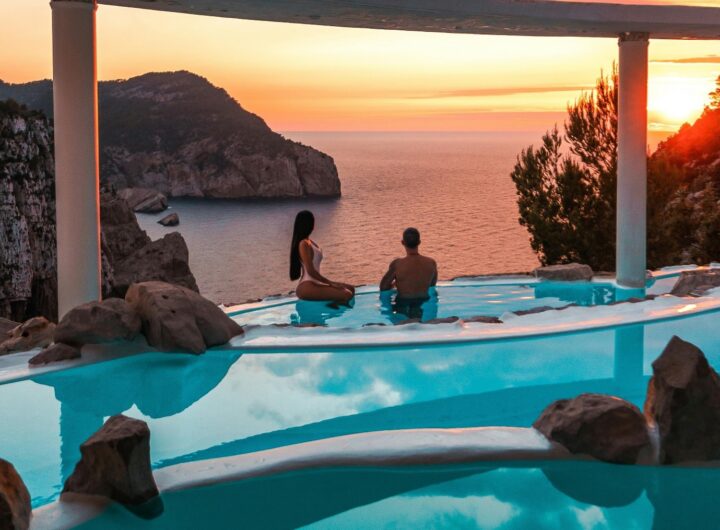 Luxury for the Rest of Us: How “New Luxury” Travel Is Rewriting the Rules of Who Gets to Indulge
 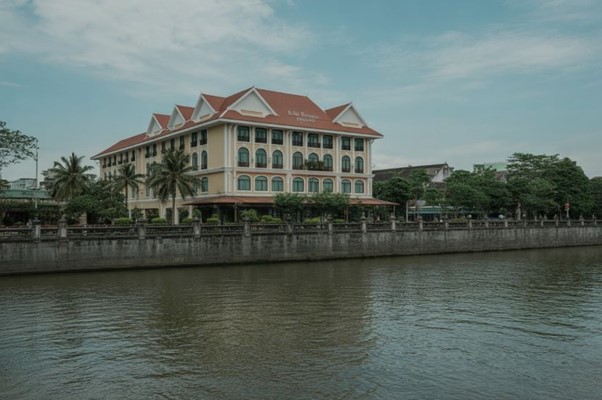 Grand Royal Riverside Hue – Fusion Collection: A Wellness-Led Riverside Retreat in Vietnam’s Imperial City
 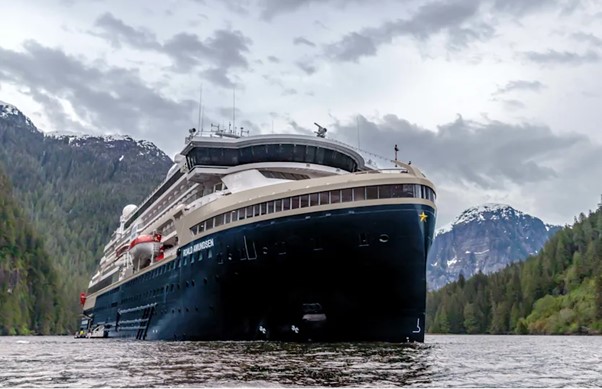 Alaska Cruise & Expedition 2026–2027: Discover “The Magnificent Wild” with HX Expeditions
  Oceanwide Expeditions Confirms Two New Eco Sail Ships For Next Generation Polar Voyages
  Adora Flora City China’s New Luxury Mega-Ship for Global Cruisers