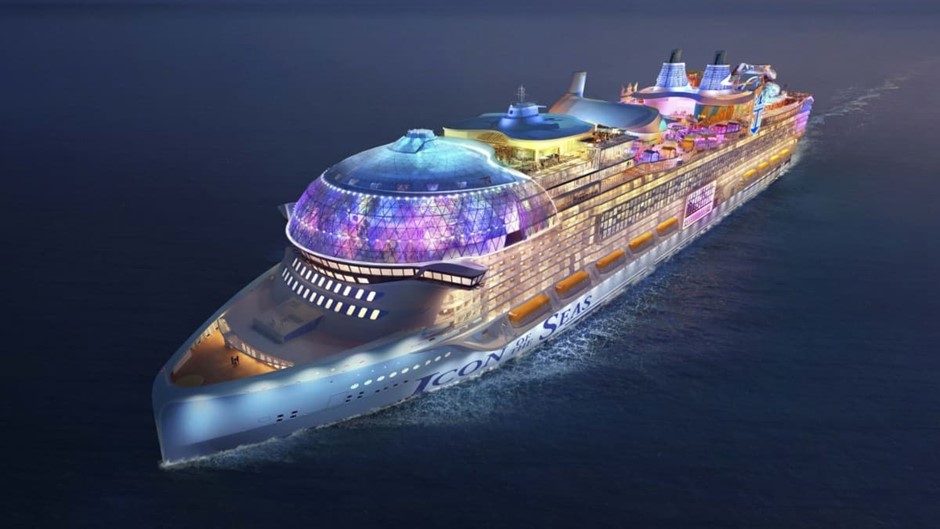
Royal Caribbean Icon of the Seas – Photo courtesy: Royal Caribbean
The global cruise market is booming, with people of all ages eager to experience life at sea, from family-friendly mega ships to intimate, ultra-luxury voyages. At the same time, demand for small luxury ships and yacht-style cruises is surging, attracting travellers who want a more exclusive, personalised escape. This powerful combination of mass-market growth and high-end luxury trends is driving a wave of new cruise ships and private-style yachts being built every year. To keep up, shipbuilders and cruise lines are racing to add capacity while introducing bold new innovations at sea, from cutting-edge green technologies to ever more spectacular onboard experiences.
Building a mega cruise ship is a multibillion‑dollar story of floating cities, fierce competition, and eye‑watering risk.
What “mega cruise ship” really means
When people say “mega cruise ship,” they usually mean the newest giants that carry more than 5,000 passengers and feel like full‑scale resorts at sea. These ships stretch to around 1,200 feet long, stack up to 20 decks high, and pack in water parks, theaters, ice rinks, dozens of restaurants, and whole themed “neighborhoods.” They are not just big boats; they are engineered to compete with land‑based resorts and entire holiday destinations.
The headline price tag
Modern cruise ships in general cost between about $500 million and $1.5 billion to build, depending on their size and complexity. Once you step into true mega‑ship territory (5,000+ passengers), construction usually runs from around $1.2 billion up to roughly $1.5 billion, with the very largest breaking the $2 billion barrier.
A useful example is Royal Caribbean’s Icon of the Seas, currently the world’s largest cruise ship: it cost about $2 billion to build, measures nearly 1,200 feet, weighs around 250,800 gross tons, and can carry roughly 5,600 guests at double occupancy. At that scale, every new feature—like a massive glass dome, multi‑deck water park, or ice arena—adds tens of millions of dollars in extra design, materials, and safety engineering.
Typical build costs by ship size
| Ship type | Passenger capacity (approx.) | Typical build cost |
| Small/expedition ship | 200–1,000 | $200M–$600M |
| Mid‑size modern ship | 2,000–3,000 | $500M–$900M |
| Large ship | 3,000–4,000 | $800M–$1.2B |
| Mega ship | 5,000+ | $1.2B–$1.5B+ |
| Record‑breaking giants | 5,500+ and “world’s largest” class | Around $2B |
Where all that money goes
The bill for a mega cruise ship is split across years of planning and thousands of people. Design and engineering alone can consume roughly 15–20% of the project budget, often in the range of $300–$400 million for a ship at the Icon of the Seas level. That covers everything from the hull form and propulsion system to complex deck layouts, cabin design, and the integration of headline attractions.
Labor and materials take another huge slice. For a top‑tier mega ship, labor can run into the hundreds of millions of dollars, supporting a workforce of up to 3,000 shipbuilders and specialists over several years. High‑tech propulsion systems, LNG fuel technology, stabilizers, navigation systems, luxury interiors, and thousands of cabins and suites can easily total $600 million or more in materials and equipment alone.
Why cruise lines spend so much
Spending over a billion dollars on a single ship only makes sense if it can earn that money back over time. Mega ships squeeze value out of every square meter: more cabins, more specialty restaurants, more bars, more retail, and more paid attractions mean more revenue per sailing. Because a giant ship can carry so many guests, cruise lines can spread fixed costs—crew salaries, fuel, port fees, and financing—over thousands of passengers, improving margins when the ship sails full.
There is also a branding and marketing payoff. The “world’s largest ship” gets free headlines, viral videos, TV coverage, and social media buzz, which helps keep ticket prices high and bookings strong for years. For the cruise line, the ship is
 Four Seasons I Christened in Malaga and Sets Sail on Inaugural Grand Mediterranean Voyage
  Aurora Expeditions Launches Biggest-Ever European Small-Ship Season – With a Companion Sails Free Offer
  Savour the Journey: Holland America Line Showcases Destination Dining in Sydney Aboard Noordam
  AmaWaterways Christens AmaSofia on the Rhine: New River Ship Debuts Fresh Branding and 2026 Itineraries
  Royal Beach Club Lelepa & 2027–28 Australia Cruises: More Island Time with Royal Caribbean from Sydney and Brisbane
  Luxury for the Rest of Us: How “New Luxury” Travel Is Rewriting the Rules of Who Gets to Indulge
  Jetstar BidCash: How to Upgrade to 787 Business Class From Just $180
 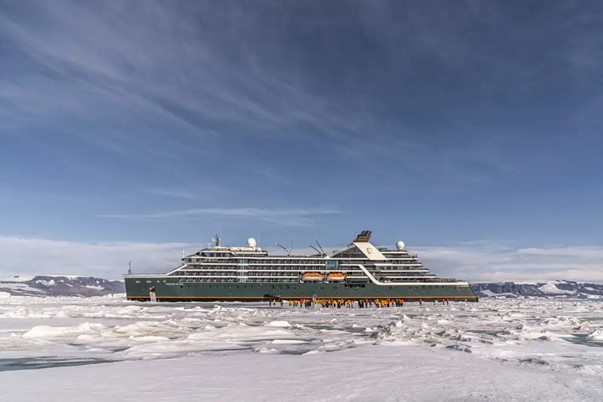 Antarctic Voyage 2026: Save Thousands on APT’s Luxury Seabourn Venture Cruise From Buenos Aires
  Qantas Tightens Lounge Access for Jetstar Flyers from July 2026: What Frequent Travellers Need to Know
 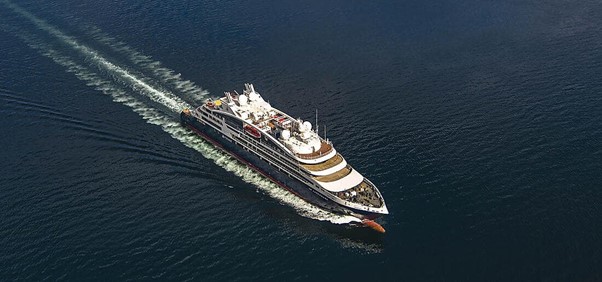 Discover Asia Pacific with PONANT in 2027: Luxury Small Ship Cruises Close to Home