Following the extension of the ‘biosecurity emergency period,’ which allows the Federal Government to impose restrictions on overseas flights and cruise ships, Australia’s borders will remain closed and most international travel will be prohibited until 17 December 2021.
While the rolling three-month ban is largely a formality, the fact that it expires the day before Qantas expects international flights to resume could be more than a coincidence.
Qantas now lists its first flights to Singapore, London, Los Angeles, and Vancouver on December 18, with additional destinations such as Tokyo and Honolulu following a week later.
“It’s obviously up to government exactly how and when our international borders re-open,” Qantas Group CEO Alan Joyce cautioned when he revealed the new schedule last week but says he has shared his plans with the government “and they agree with our broad assumptions and agree that our plan is reasonable.”
Those plans would also be contingent on either quarantine-free travel bubbles or ‘green lanes’ between countries, or a limited period of manageable home isolation upon their return to Australia, rather than spending 14 days in hotel quarantine for upwards of $3,000.
Regardless, Health Minister Greg Hunt announced today that the “human biosecurity emergency period” declared under the Biosecurity Act 2015, which has been in effect since 18 March 2020 and was previously scheduled to end on 17 September 2021, will be extended by three months “until 17 December 2021.”
This will be the 21st month since the country’s borders were closed in the face of Covid-19.
However, Australia is on track to reach an 80 percent vaccination rate – the point at which the government’s four-stage timeline promises that borders will reopen.
The Australian Health Protection Principal Committee (AHPPC) and the Commonwealth Chief Medical Officer provided specialist medical and epidemiological advice to Hunt’s office, according to a statement released by his office today.
“The AHPPC has stated that the international COVID-19 situation continues to endanger public health. The extension of the emergency period is a reasonable response to this risk.”
However, the government notes that these measures “can be amended or repealed at any time” – hopefully with exceptions for any country-specific travel arrangements, such as those with Singapore and Fiji.
Source: Executive Traveller
By Joe Cusmano

 United x Chef’s Table: World-Renowned Chefs Elevate United Polaris Inflight Dining With Exclusive New Menus
  Inside Delta’s New Denver Sky Club: A 13,000‑Square‑Foot Rocky Mountain Retreat at DEN
 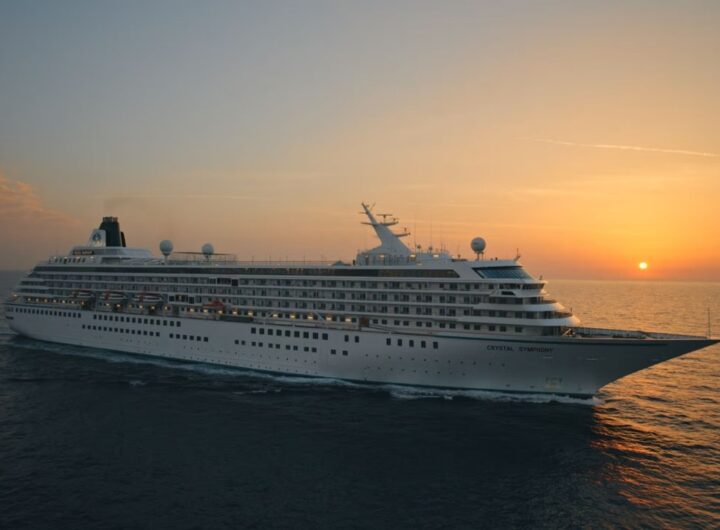 Crystal Symphony’s 2029 World Cruise: Melbourne–New York Epic with First‑Ever Circumnavigation of Australia
  Qantas Frequent Flyer’s “New Era”: How the Status Shake‑Up Changes Your Flying Life
 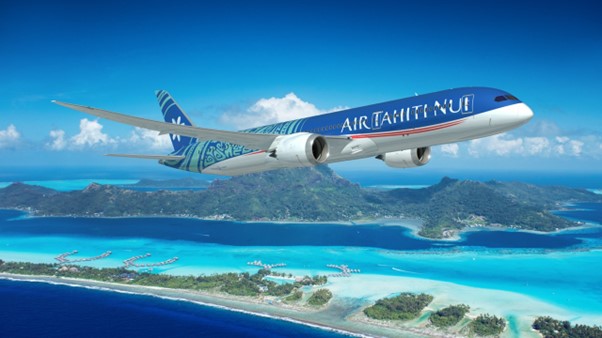 Air Tahiti Nui Launches Non‑Stop Sydney–Tahiti Flights from December 2026
 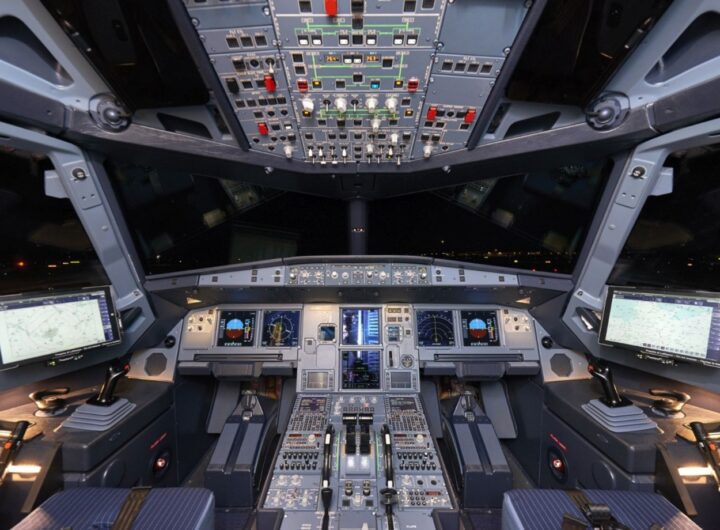 Lufthansa Launches IATA Turbulence Aware: Real-Time Turbulence Data for Safer, Smoother Flights
 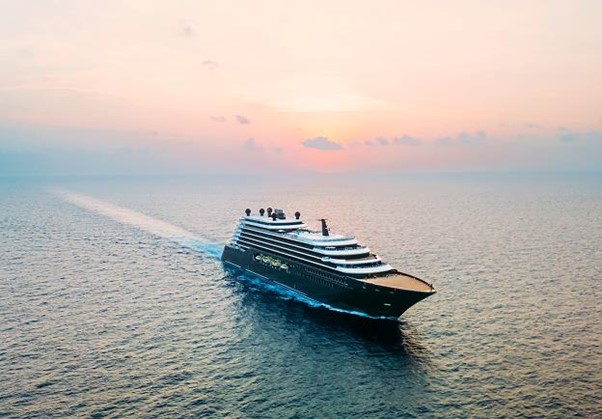 The Ritz-Carlton Yacht Collection Unveils Ultra-Luxury Winter 2027–2028 Voyages Aboard Evrima, Ilma and Luminara
 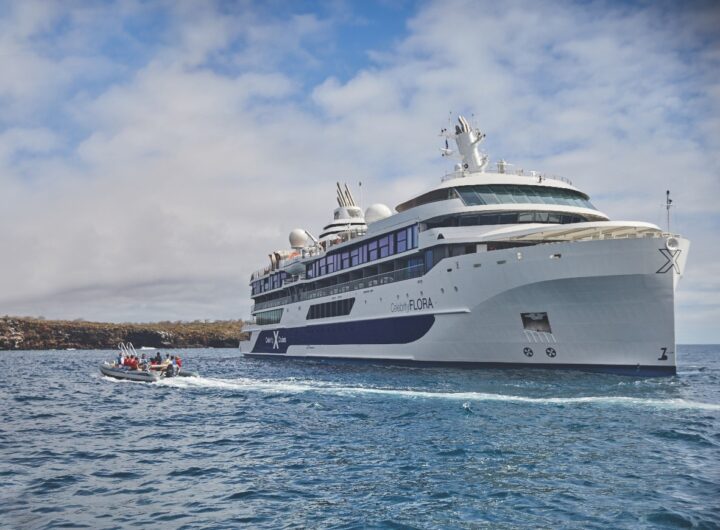 Celebrity Cruises Opens 2028 Galapagos Expeditions on Celebrity Flora: Bucket‑List Small‑Ship Adventures Now on Sale
 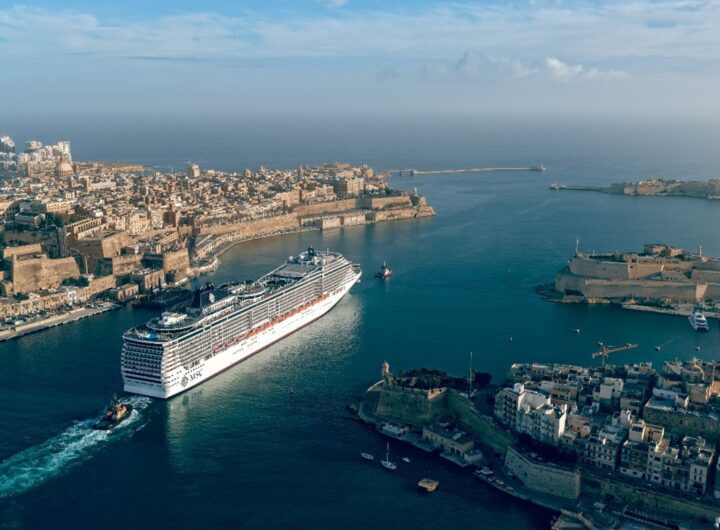 MSC Cruises Elevates MSC Yacht Club Dining With Elegant New Restaurants Across Fantasia-Class Ships
 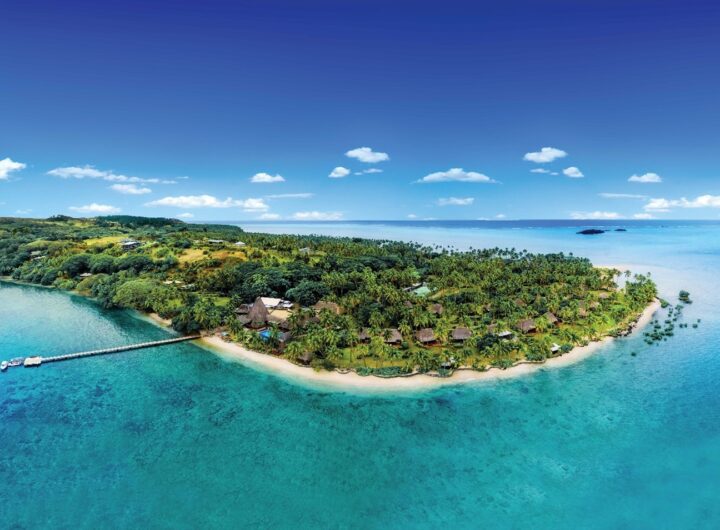 Jean-Michel Cousteau Resort Fiji Reopens After Multi‑Million‑Dollar Makeover With New Two‑Bedroom Family Bures