Photo courtesy: Wikicommons
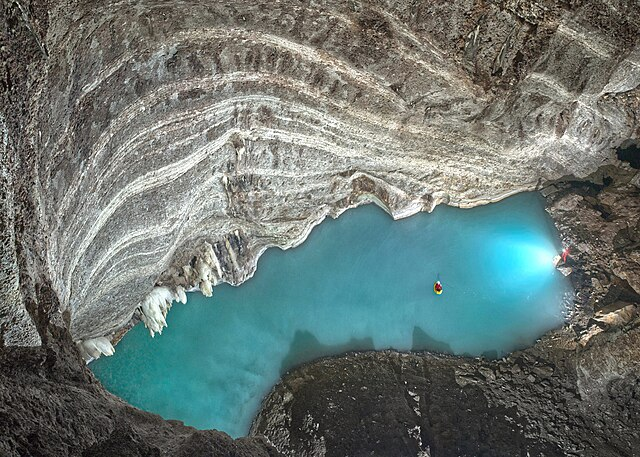
Albania has always been a country full of hidden treasures, from its breathtaking mountain landscapes and ancient castles to its bustling capital and pristine beaches. But now, there’s an incredible new addition to the list: the world’s largest underground lake, known as Lake Neuron. This awe-inspiring discovery was made by a dedicated team of Czech scientists who have been tirelessly exploring the Vromoner region for years.
The Discovery of Lake Neuron The journey to uncover Lake Neuron wasn’t easy. The Czech team, equipped with cutting-edge technology provided by the Neuron Foundation, ventured into the complex underground cave systems of the Vromoner region. After years of meticulous exploration and mapping, they stumbled upon an astonishing abyss over a hundred meters deep. This geothermal marvel has now been recognised as the largest underground thermal lake in the world.
To give you an idea of its immense size, Lake Neuron measures 138 meters in length and 42 meters in width and boasts a circumference of 345 meters. It has a capacity of 8,335 cubic meters of hot water – that’s more than three Olympic-sized swimming pools!
Scientific and Environmental Significance The discovery of Lake Neuron is not just significant for its size. It also holds immense scientific and environmental value. The mineral-rich waters of the lake are saturated with hydrogen sulphide, which, when exposed to air, oxidises to produce sulphuric acid. This chemical reaction transforms the surrounding limestone into soft gypsum, creating a unique cave formation that scientists want to study further.
Moreover, the lake’s waters have stable mineral compositions that could potentially be harnessed for geothermal energy and therapeutic purposes. This could make Lake Neuron a pivotal site for future geothermal research and sustainable energy applications.
Environmental Benefits and Conservation One of the most exciting aspects of the discovery of Lake Neuron is its potential environmental impact. Its waters feed the springs surrounding the lake, and understanding this connection could contribute to better conservation and protection of the entire region. The researchers hope that their findings will enhance our knowledge of the area’s hydrology and lead to more effective preservation efforts.
In conclusion, Lake Neuron represents a remarkable addition to Albania’s natural wonders. Its discovery not only sets a new record for the world’s largest underground lake but also opens up a wealth of opportunities for scientific research, sustainable energy, and environmental conservation. With continued exploration and study, Lake Neuron is set to become a cornerstone of geothermal research and a symbol of Albania’s rich natural heritage.
 Secret Islands of Singapore: Pulau Ubin, Sentosa, Lazarus & More Hidden Escapes Beyond the Skyline
  Three Epic Southern Europe Road Trips: Routes, Tips & Stories from the Open Road
  10 Most Beautiful (and Exclusive) Beaches in the World – And How to Reach Them from Australia
  Milano Cortina 2026 Venues: Complete Guide to Olympic and Paralympic Sites in Lombardy, Veneto and Trentino‑Alto Adige
  Bucket‑List Luxury in 2026: Iconic Stays and Once‑in‑a‑Lifetime Experiences
  Chasing Endless Summer: 5 Sizzling Hotspots Where the Sun Never Takes a Break
  The Ritz-Carlton Yacht Collection Unveils Ultra-Luxury Winter 2027–2028 Voyages Aboard Evrima, Ilma and Luminara
 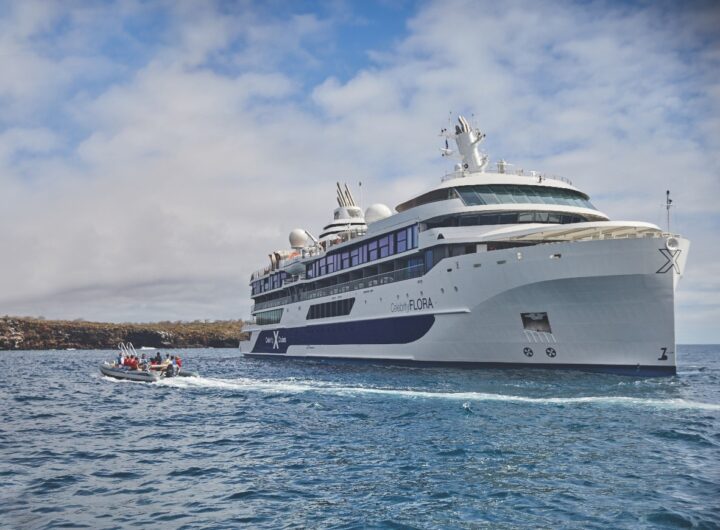 Celebrity Cruises Opens 2028 Galapagos Expeditions on Celebrity Flora: Bucket‑List Small‑Ship Adventures Now on Sale
  MSC Cruises Elevates MSC Yacht Club Dining With Elegant New Restaurants Across Fantasia-Class Ships
 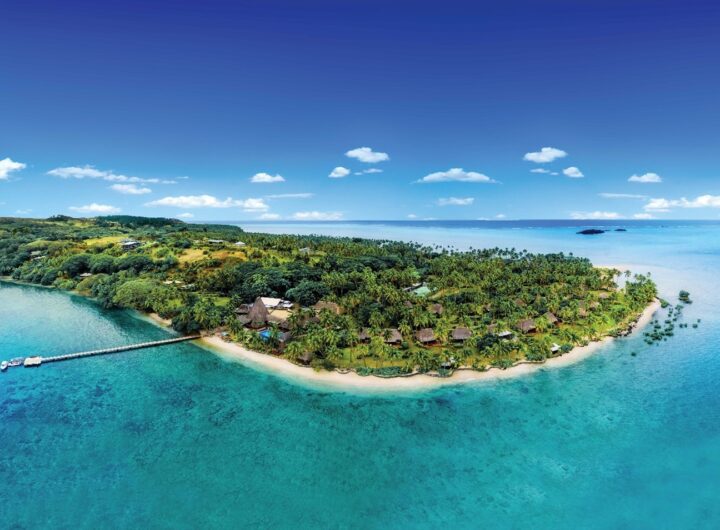 Jean-Michel Cousteau Resort Fiji Reopens After Multi‑Million‑Dollar Makeover With New Two‑Bedroom Family Bures