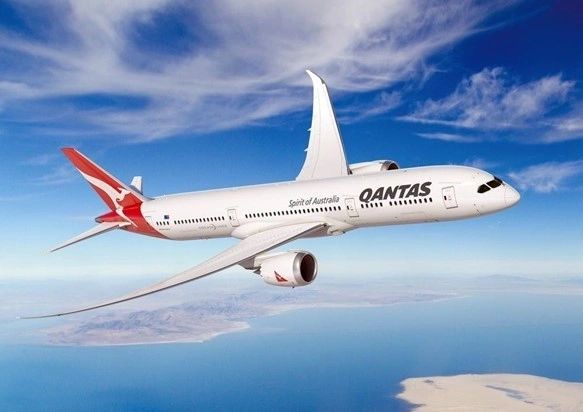
Photo credit: Qantas
According to Qantas CFO Vanessa Hudson, rising demand for international travel is helping to mitigate the effects of the declining Australian dollar on the company’s operations.
According to the carrier’s Chief Financial Officer Vanessa Hudson, the growing demand for international travel is helping to mitigate the impact of the weaker Australian currency on Qantas’ operations.
Hudson stated at a news briefing last week following the quarterly update that, despite Australians receiving less value for their money overseas, current booking patterns remain encouraging. “We’re seeing outbound demand for international travel continuing to be extremely robust, despite the weakening Australian dollar, and, globally, demand and intent to travel in the next 12 months has been growing,” she said. “On the other hand, for foreign visitors looking to visit Australia, we’re an excellent value destination.”
According to Hudson, the weakening Australian dollar also benefits Qantas because it encourages competitors to keep their capacity in the Australian market lower. This is because the amount of money other airlines receive in converted foreign currency is much lower than it would have been had the Aussie dollar held its value.
Meanwhile, with Qantas bringing back more A380s from storage and Jetstar receiving three new Boeing 787-9 Dreamliners and more Airbus A321LRs, the group’s international capacity is projected to rise from 61% of pre-COVID levels in the first half of FY23 to 77% in the second half.
First-half domestic capacity will be 94% of pre-COVID levels, rising to 2019 levels in the year’s second half. This is a six-percentage-point drop from earlier capacity projections.
Domestically, the carrier is cutting back to “guard the increase in operational performance as the larger industry recovers,” so they say. Furthermore, Qantas flying rates will remain higher than pre-pandemic levels for some time due to low global capacity, high fuel prices, and an unsettled international landscape.
In this quarter, fuel costs are 76% more than before COVID, and we need to make up for that, Joyce said.
Qantas and Jetstar have announced their greatest combined sale of the year, with more than 1 million fares across 67 domestic locations beginning at $35 one-way.
Qantas, which has been hit by a wave of negative press over its labour problems, has responded by lifting its wage freeze and instituting yearly wage hikes of between 2% and 3%, costing an additional $40 million per year to do so.
 Riyadh Air Commences Daily Dubai-Riyadh Flights as Inaugural Flight Takes Flight
 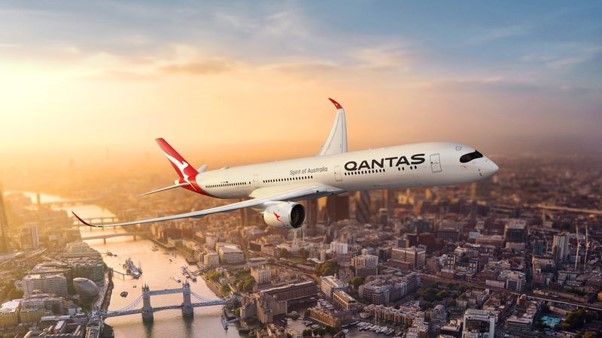 Qantas Project Sunrise A350 Cabin Finalised for Sydney–London
 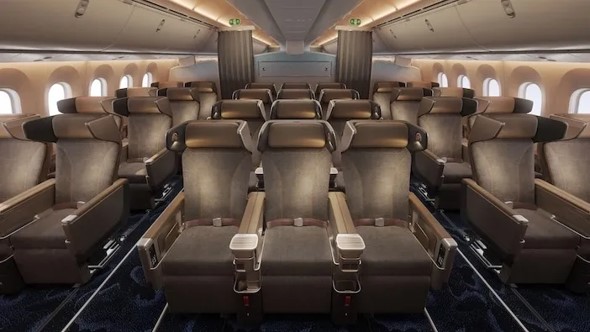 China Airlines 787 Premium Economy: Style, Space and 4K Tech
  United Unveils New Chef-Curated Menu Items for Polaris Business
 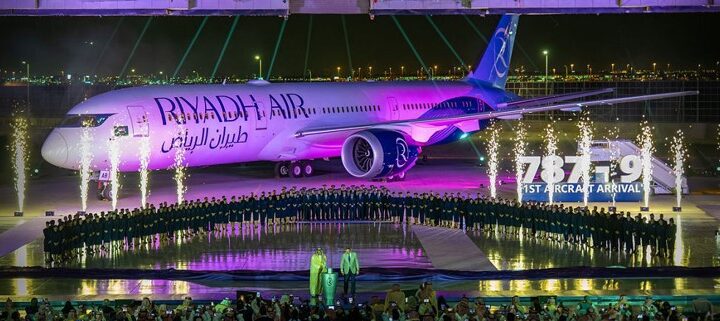 Riyadh Air Opens Tickets to Five New Dreamliner Routes
 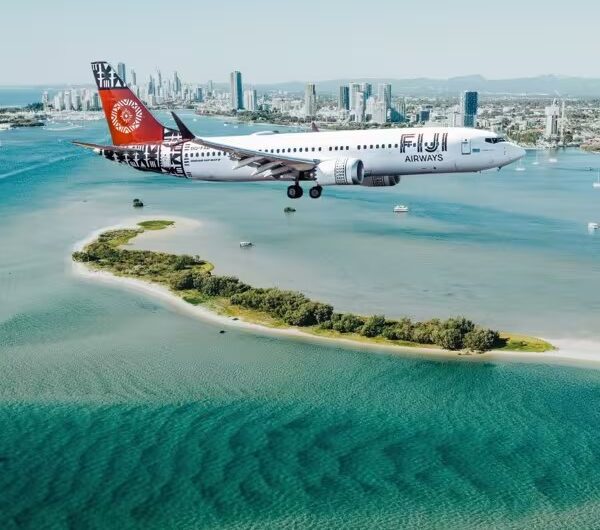 Fiji Airways Launches Direct Nadi–Gold Coast Flights
 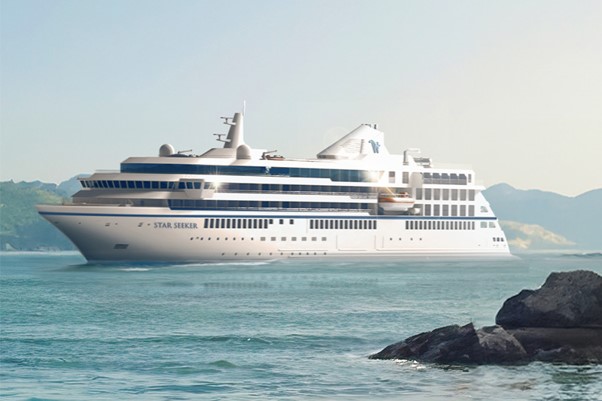 Windstar Opens Asia 2028/29 Season Aboard Star Seeker
 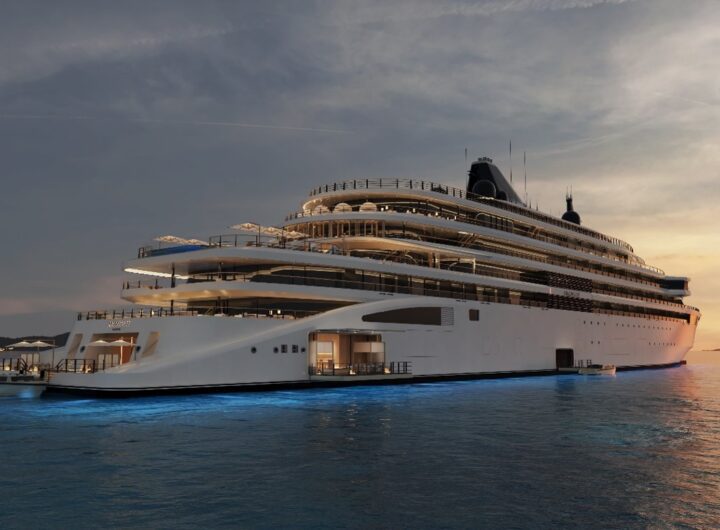 Amangati Sets Course for First Ultra Luxury Caribbean Season
  Arctic 2028: Ponant Opens Sales for Epic Far North Voyages
 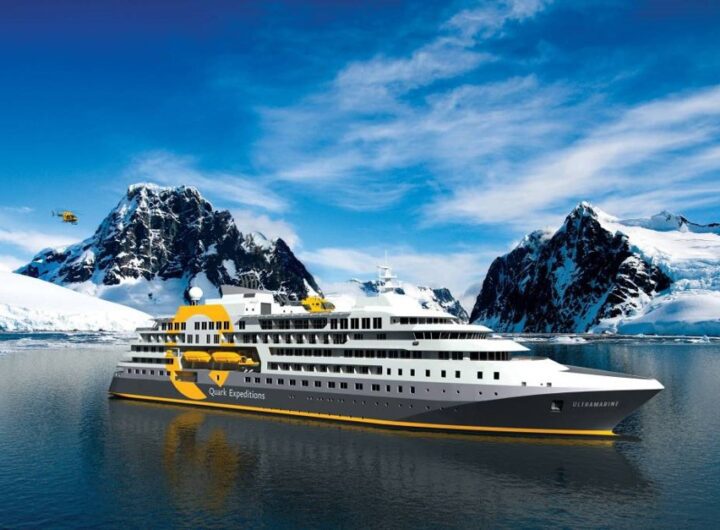 Quark Expeditions Opens Early with New Polar Adventures