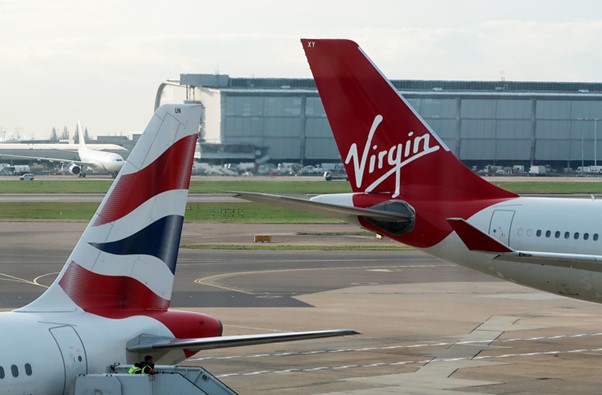
After years of disappointment, long-haul airlines have finally found a reason to celebrate with the reopening US border to leisure travellers from most of Europe and the resulting increase of transatlantic flight schedules.
Non-essential foreign guests, such as tourists, family members, and friends, were the first to fly Monday. For British Airways owner IAG, not to mention rival Virgin Atlantic and other carriers, it will feel like Christmas, Thanksgiving and all their birthdays rolled into one.
In the aftermath of the reopening, IAG expected a narrower loss – €3bn (A$4.7bn)) this year, down from €4.3bn (A$7.3bn) in 2020 – and a likely return to profit by Easter. Transatlantic travel is the foundational business for long-haul airlines, and location and shared language has traditionally put UK carriers in pole position in the European market. The bulk of IAG’s profits before the pandemic came from BA, and the fat end of BA’s earnings came from America.
Because of competition from low-cost carriers on short-haul routes, British Airways has been forced to lose its dominance. Apart from those who have a connecting flight, live next to Heathrow, or prefer well-dressed stewards and complimentary biscuits, there is little need to pay for the national carrier’s tickets to Europe.
The US, though, is different. Norwegian, which tried to take a share of this market, has retreated, while the full-service airlines have all forged partnerships, joint ventures, and alliances — Virgin, in particular, choosing for the strong arms of Atlanta-based Delta. Next week, both British carriers predict full planes as passengers benefit from easier, cheaper testing standards. BA says Zoom-weary travellers are booking too.
It’s almost enough to make investors forget the billions in losses and an uncertain future: After a brief sell-off following the release of IAG’s third-quarter earnings and full-year projection, the stock rose on Friday.
The business was fascinated with high oil prices a decade ago, and they are rising dramatically again.
Analysts don’t see the rewards arriving nearly so quickly. There is still danger ahead: the sector was concerned with oil prices a decade ago as the dollars-per-barrel rose, and they are rising fast again. The cost of the considerable financing that pushed carriers through the past 18 months also appears certain to grow. As for whether the trend of opening borders and relaxing travel restrictions is one-way, it remains to be seen, especially considering how more conservative governments see the UK’s laissez-faire policies and relatively high case rates.
In any case, the holiday season is upon us, and BA and Virgin have emerged from the shadows to team up against Heathrow, their shared foe. The routine spectacle of circling the regulator every few years and throwing overegged demands for increases or reduction to the airport’s landing taxes has taken on a particular sharpness this time around.
Not only does the pandemic mean that all the parties genuinely have no money, but Heathrow has gone the whole Ebenezer by proposing to double what it charges. Playing the hapless sad sack, the Civil Aviation Authority has said that “only” a 56 per cent increase in average prices – around £35 (A$64) per passenger – would be permitted.
The wrangling continues. IAG boss Luis Gallego said on Friday that he would consider shifting IAG investment abroad if charges meant the airline could make no fair return on capital in the UK. But in another breath, Gallego revealed that BA had only earned a profit at cheap old second-choice Gatwick once in a decade. Virgin has handed over their slots at the West Sussex alternative. IAG is continuing with plans to launch a cunningly disguised BA subsidiary for the short-haul, allowing it to minimise costs and stave against expansion by rivals.
For the big dollars, though, there is just one game in town. One in four flights between Europe and the US runs via Heathrow – albeit 40 per cent fewer currently than two years ago. After an 18-month course on survival rations, both IAG and Virgin will be seeking to fill their boots on packed planes flying over the pond from Heathrow.
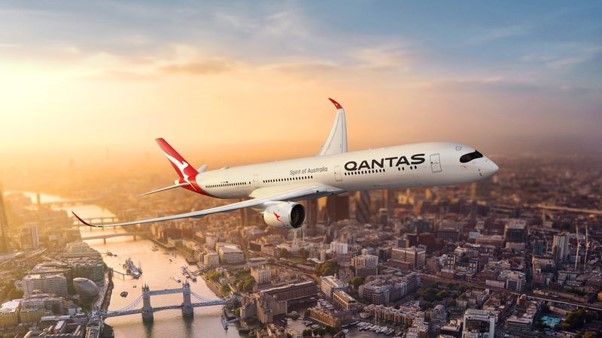 Qantas Project Sunrise A350 Cabin Finalised for Sydney–London
 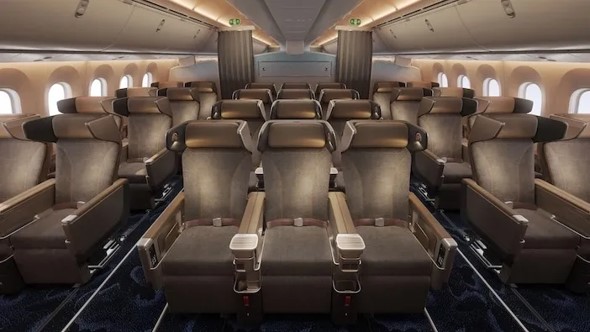 China Airlines 787 Premium Economy: Style, Space and 4K Tech
 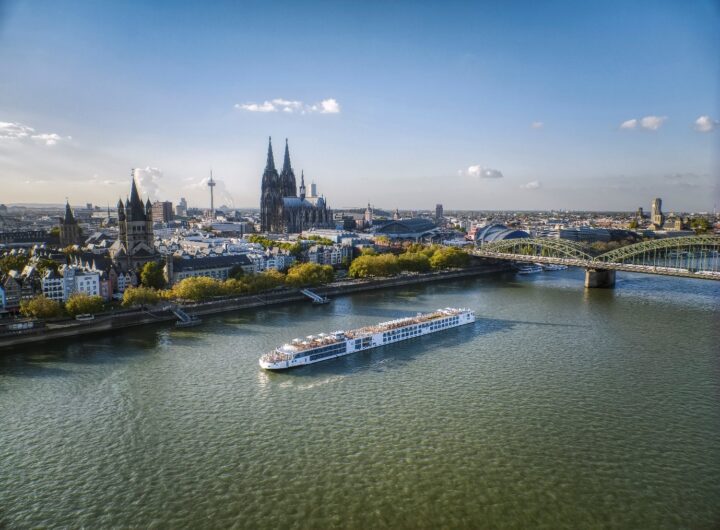 Viking Adds New River Ships Annar and Fjolvar to Europe Fleet
  United Unveils New Chef-Curated Menu Items for Polaris Business
 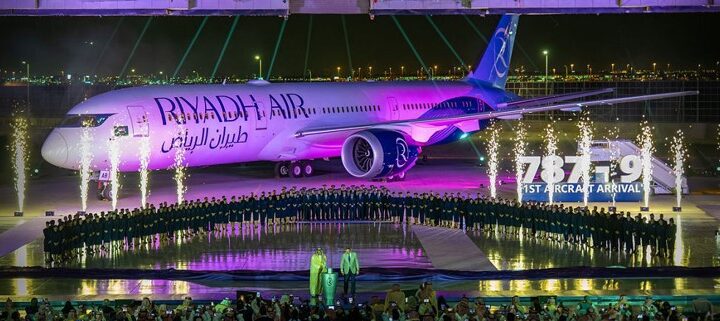 Riyadh Air Opens Tickets to Five New Dreamliner Routes
 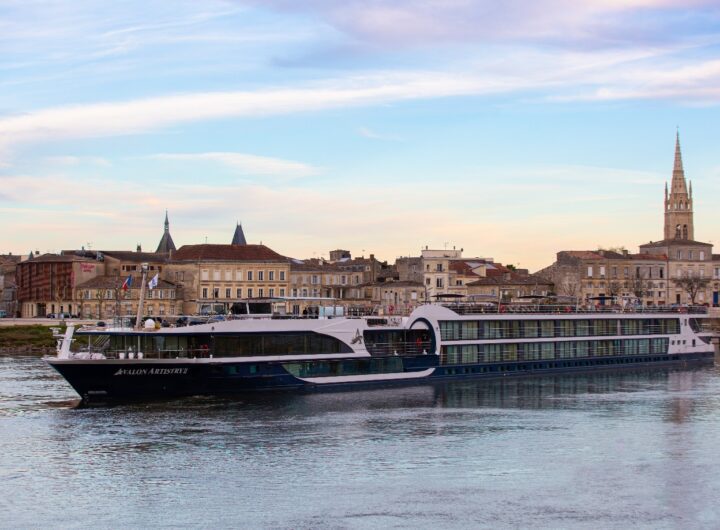 Avalon Adds Three New Europe Cruise and Tour Itineraries
 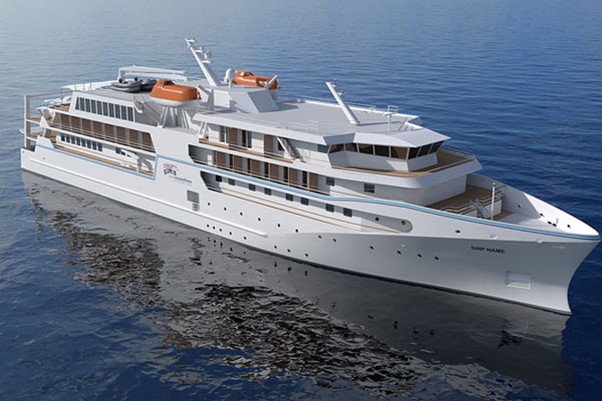 Coral Expeditions and Australian Geographic Launch New Kimberley Photography Voyages
 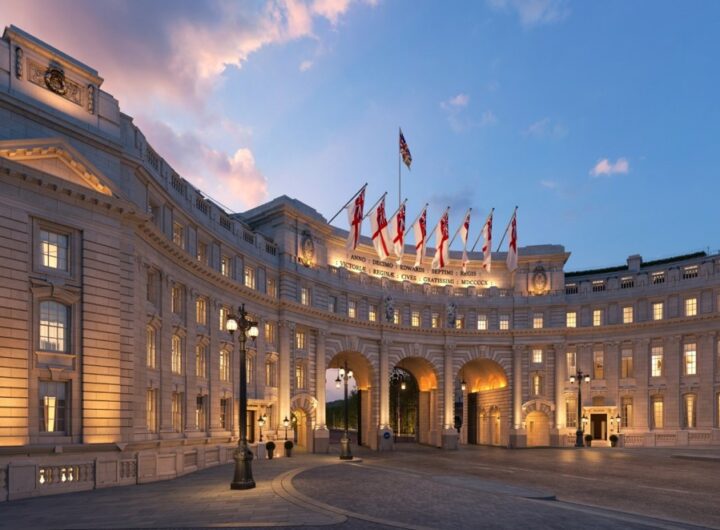 Waldorf Astoria London – Admiralty Arch Opens for Reservations Ahead of Autumn Debut
 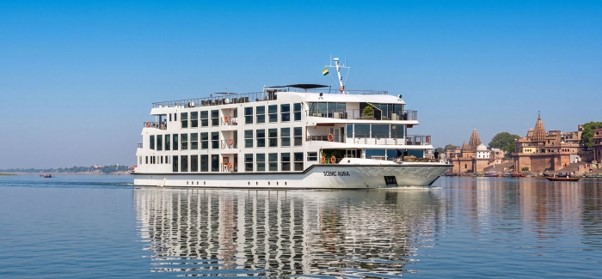 Scenic Group Enters India and Sri Lanka with River Cruise Launching October 2027
 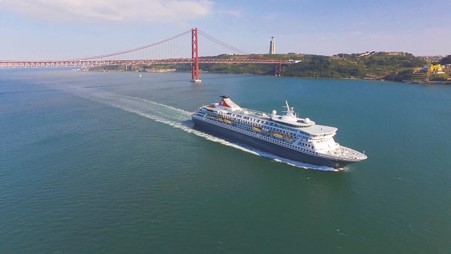 Fred Olsen Unveils 2027 Cruises with Northern Lights, Morocco & Caribbean Adventures